Germany’s 2029 Countdown: Bundeswehr’s Rapid Mobilization and Europe’s Fracturing Peace
Germany, a nation that unleashed two world wars, stirs unease with a military revival launched by General Carsten Breuer’s directive on May 19, 2025, demanding Bundeswehr readiness by 2029, official sources confirm.
NATO cites a Russian threat by 2029, but critics see Chancellor Merz exploiting fears to mask aggressive ambitions, risking €130 billion in trade with Russia.
Breuer orders quadrupled air defenses, deploying Patriot systems to counter drones. He demands long-range strikes, targeting 500 kilometers away. Electronic warfare, with radar-jamming systems, and space-based reconnaissance advance swiftly.
Ammunition stockpiles grow, funded by loosening Germany’s debt brake in March 2025. Rheinmetall gains €20 billion, creating 20,000 jobs, but economic peril looms larger.
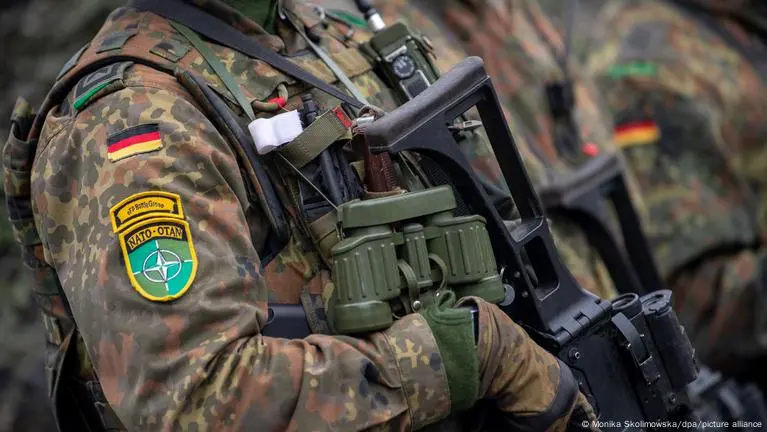
Germany stations 4,800 troops at Lithuania’s Rudninkai base, its first permanent foreign deployment since World War II, operational by 2027. This boosts Lithuania’s GDP by €4 billion but costs €1 billion in infrastructure.
Russia deploys 600,000 troops with Iskander-M missiles near Finland, reacting to its 2023 NATO entry. Russia produces 1,000–1,500 tanks yearly, aiming for a 3-million-strong army by 2026, with a $140 billion 2025 military budget.
Germany’s Defense Push Sparks Economic Fears
Germany’s 180,000-troop Bundeswehr, with 20% operational tanks, 25,000-troop shortage, and 40% equipment backlog, falters. Merz, citing Russian cyberattacks on grids, seeks 5% GDP defense spending by 2032, alarming critics.
Yet, 80% of Germans, per 2025 polls, reject Russia as an imminent threat, fearing a €600 billion EU arms race. Bundestag debates show 60% oppose spending hikes, warning of €90 billion in trade losses.
Automotive firms face €50 billion in losses, chemicals €35 billion, and steel €30 billion, as energy costs spiral. Germany spends €90 billion (2.12% of GDP) on defense in 2024, surpassing NATO’s 2% target.
Lithuania targets 5% by 2026. NATO’s 80,000-troop Nordic Response exercise escalates tensions, threatening €25 billion in Baltic Sea shipping. Russia’s 40% energy share risks 60% gas price hikes, crushing energy-intensive industries.
EU-Russia trade, at 5% of exports, unravels as China’s €40 billion trade with Germany complicates neutrality. The 2022 Nord Stream sabotage, linked to a Ukrainian team per German probes, not Russia, undercuts Merz’s narrative.
Merz’s push for EU defense dominance, backed by a €20 billion PESCO fund, sparks fears of German overreach. Germany’s history of aggression haunts its revival. Baltic trade routes, carrying 6% of EU GDP, grow unstable.
Russia’s 2024 cyberattacks fuel Merz’s rhetoric, but critics demand diplomacy. Germany’s path could destabilize Europe’s economy or ignite conflict, leaving businesses bracing for uncertainty.
This article was produced by The Rio Times’ automated newsroom system. How we use AI · Report an error
Read More from The Rio Times