Zinc Steadies Near US$3,936 as Galvanised Demand Stays Patchy
Key Facts
- Zinc settled a touch higher on Tuesday the metal rose 0.13% to US$3,936.10 a tonne, extending a recent period of strength
- Nexa Resources gained shares in the Peru and Brazil zinc miner rose 3.34% to US$13.29 in New York trading
- Buenaventura also advanced the Peruvian diversified miner climbed 3.30% to US$34.70 as precious metals strength boosted the proxy
- Galvanising demand softened orders improved at some plants but overall operating rates remained below the previous year’s levels
- Construction drives zinc use the metal is chiefly used to coat steel against rust, tying demand to infrastructure and building activity
- Latin America is a key supplier Peru, Bolivia and Mexico are major zinc producers shipping concentrate to smelters in Asia and Europe
Today’s Focus
Zinc edged higher on Tuesday, September 22, 2026, rising 0.13% to US$3,936.10 a tonne, with softer near-term demand from galvanising businesses capping the gain.
The move extended a period of strength for the industrial metal. Industry reporting showed orders had improved at some galvanising plants, while overall operating rates stayed below the prior year’s levels.
Latin American miner proxies far outpaced the metal, with Nexa Resources up 3.34% to US$13.29 and Buenaventura up 3.30% to US$34.70, helped by broader precious metals gains in the session.
Investors are watching whether weak Chinese construction demand and tepid infrastructure activity in developed markets keep a lid on galvanised steel consumption from Peru, Bolivia and Mexico.
What matters today. Zinc barely moved because galvanising demand remains patchy even as Latin American producer shares rally on gold and silver strength.
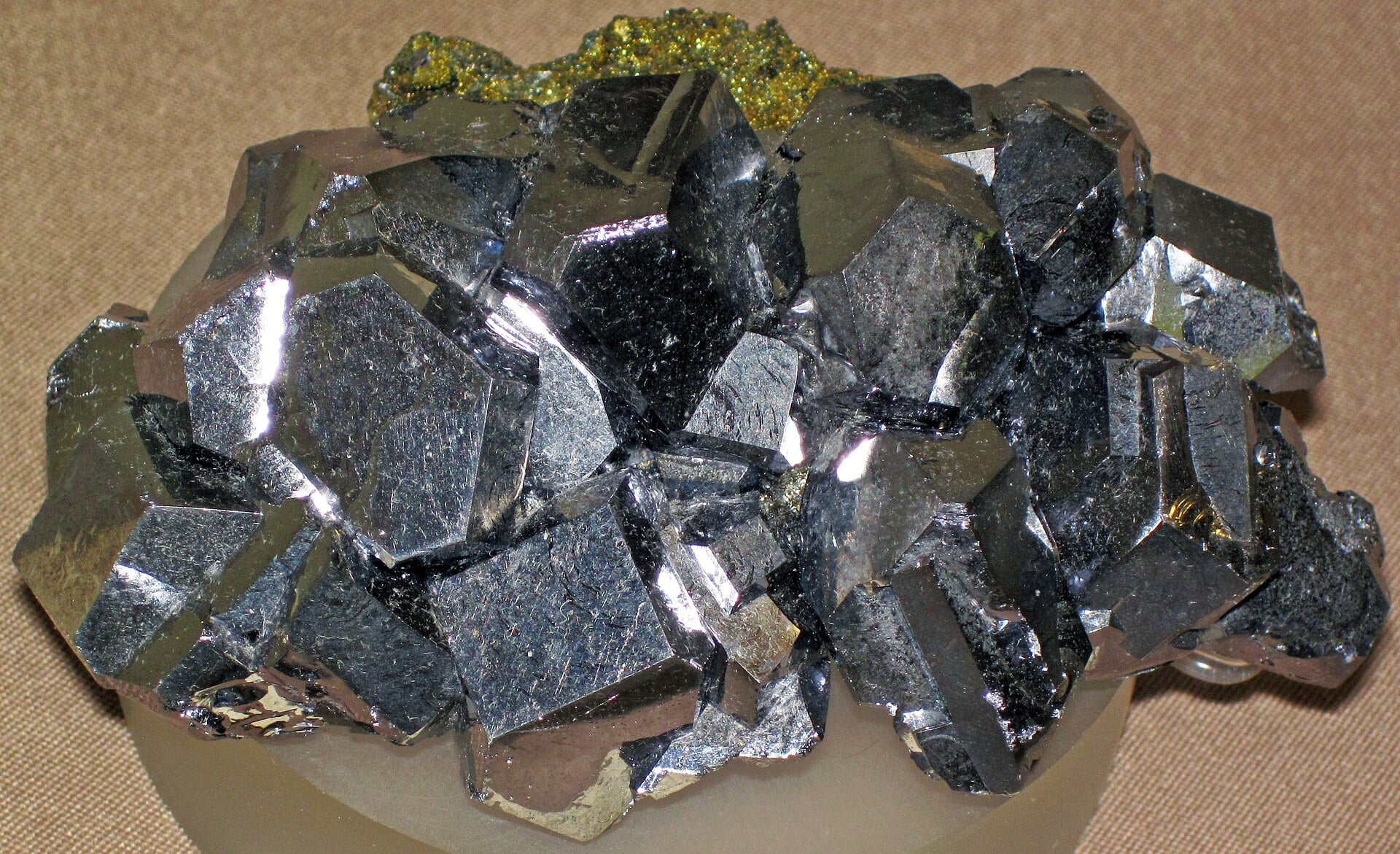
01 The session in one read
Zinc firmed slightly on Tuesday, September 22, 2026, with the benchmark metal settling up 0.13% to US$3,936.10 a tonne, extending a recent run of strength.
The muted move tracked softer near-term demand from galvanising businesses, which remain the largest consumer of zinc for rust-proofing steel.
Latin American producer shares moved far more, lifted by strength in precious metals alongside their zinc exposure.
Zinc’s 0.13% gain to US$3,936.10 a tonne is a holding pattern rather than a breakout, reflecting a market still waiting for sustained construction recovery. Galvanising plants report some order improvement but still run below last year’s operating rates, keeping physical demand soft.
The variable to watch is whether zinc can hold above US$3,900 a tonne if Chinese infrastructure stimulus disappoints in the coming weeks.
02 The board
Nexa Resources, the direct regional zinc proxy with mines and smelters in Brazil and Peru, rose 3.34% to US$13.29 in New York trading.
Compañía de Minas Buenaventura, a Peruvian diversified miner with zinc alongside gold and silver, climbed 3.30% to US$34.70.
Both share moves dwarfed zinc’s own slight gain, underlining how precious metals strength can dominate day-to-day equity pricing for diversified LatAm miners.
| Asset | Level | Change |
|---|---|---|
| Nexa Resources | US$13.29 | +3.34% |
| Buenaventura | US$34.70 | +3.30% |
Source: RT close, 2026-09-22. Where a commodity has no spot feed, an exchange-traded tracker or leading producer is shown as a labelled proxy.
Live Market IntelligenceThe live market board
Rio Times · Live Market Intelligence
Latin America — Cross-Market Board
| Instrument | Last | Change | YoY | Prev. | High | Low | Volume |
|---|---|---|---|---|---|---|---|
| IBOV | 187,422.92 | +0.44% | +21.85% | 186,595.60 | 168,310 | 167,142 | — |
| IPSA | 11,426.83 | +0.61% | — | 11,357.82 | 11,210 | 10,984 | 1,513,213,483 |
| IPC MEX | 63,646.88 | +0.17% | +12.17% | 63,536.96 | 66,121 | 65,405 | 108,886,187 |
| MERVAL | 2,997,659 | -0.04% | +30.51% | 3,022,485 | 3,042,365 | 2,991,150 | — |
| COLCAP | 2,588.64 | +0.90% | — | 9.04 | 9.05 | 9.02 | 4,133 |
| BVL PERÚ | 59,529.36 | +1.84% | — | — | — | — | — |
| USD/BRL | 5.16 | +0.01% | -5.13% | 5.16 | 5.18 | 5.14 | — |
| EUR/BRL | 5.95 | +1.01% | -5.83% | 5.89 | 5.98 | 5.94 | — |
| USD/MXN | 17.06 | -0.24% | -8.58% | 17.10 | 17.08 | 17.01 | — |
| USD/CLP | 913.98 | +0.04% | -5.67% | 913.65 | 915.11 | 906.68 | — |
| USD/COP | 3,140 | +0.03% | -22.04% | 3,139 | 3,141 | 3,105 | — |
| USD/PEN | 3.36 | -0.66% | -4.82% | 3.38 | 3.38 | 3.35 | — |
| USD/ARS | 1,493 | +0.10% | +12.96% | 1,491 | 1,494 | 1,480 | — |
| USD/UYU | 40.27 | +1.24% | +1.80% | 39.77 | 40.27 | 40.23 | — |
| USD/PYG | 5,939 | +1.68% | -19.54% | 5,841 | 5,939 | 5,925 | — |
| USD/BOB | 11.64 | -0.76% | +72.04% | 11.73 | 11.72 | 11.64 | — |
| USD/DOP | 58.34 | +1.25% | -3.44% | 57.62 | 58.34 | 58.04 | — |
| USD/CRC | 445.92 | +0.89% | -9.71% | 441.97 | 448.50 | 445.92 | — |
03 What moved it
Zinc is principally used to coat steel against corrosion, making galvanised-steel demand the main price channel for the metal.
Recent industry reporting showed orders had improved at some galvanising plants, while overall demand remained weak and operating rates stayed below the previous year’s levels.
That uneven picture explains the metal’s inability to extend its gains further on Tuesday, as buyers took a cautious view of construction and infrastructure activity.
04 The Latin American read
Peru, Bolivia and Mexico are major zinc suppliers in Latin America, shipping mine output to smelters largely in Asia and Europe.
For foreign investors, Tuesday’s session highlights a useful distinction: zinc barely moved, but the region’s listed miners rallied because their share prices also respond to gold, silver and cost-of-capital shifts.
That decoupling between commodity direction and equity performance is common for diversified LatAm names and worth watching when trading zinc through proxies.
05 The names to watch
Nexa Resources remains the cleanest way to express a view on zinc in Latin America, with integrated mining and smelting assets in Brazil and Peru.
Buenaventura offers broader exposure to Peruvian metals, where zinc performance is often swamped by movements in gold and silver prices.
Both names are sensitive to global construction cycles, given galvanised steel’s role in buildings, bridges and infrastructure, and to freight and energy costs at smelters.
06 The outlook
The zinc market’s direction now hinges on whether galvanising operating rates recover toward last year’s levels, which would signal stronger steel-coating demand from construction.
Until then, prices may struggle to build a decisive rally, though the recent period of strength suggests downside is cushioned for now.
07 What to watch
- Chinese construction data: China is the world’s largest zinc consumer; any rebound in property starts or infrastructure tenders could lift galvanised steel orders and zinc demand
- Galvanising operating rates: Industry surveys showing plants returning to last year’s utilisation levels would confirm a real demand recovery beyond anecdotal order improvement
- Precious metals direction: Gold and silver strength can keep Nexa and Buenaventura shares rising even when zinc prices stall, as seen on Tuesday
- Smelter treatment charges: Changes in fees paid to smelters signal the balance between mine supply from Peru, Bolivia and Mexico and refined metal demand
Frequently Asked Questions
Why did zinc barely move on Tuesday?
Zinc closed at US$3,936.10 a tonne, up 0.13%, as softer near-term demand from galvanising businesses capped its recent strength.
Why did Nexa Resources rise so much more than zinc?
Nexa Resources shares rose 3.34% to US$13.29, helped by broader gains in precious metals and investor positioning in Latin American miners.
What is zinc used for?
Zinc is mainly used to coat steel against rust, making galvanised steel and the construction and infrastructure sectors its primary demand drivers.
Which Latin American countries produce zinc?
Peru, Bolivia and Mexico are major zinc producers, supplying mine output to smelters in Asia and Europe.
Market data: RT
This article was produced by The Rio Times’ automated newsroom system. How we use AI · Report an error
LatAm Markets: Live Signals → — real-time movers, turnover leaders and FX across Latin America.
Read More from The Rio Times