A Norwegian Giant Bought a $1.3 Billion Texas Plant to Keep Brazil’s Farms Fed
Business
Key Facts
—The deal. Yara agreed on July 2 to buy the Gulf Coast Ammonia plant in Texas City, Texas, from GCA Holdings for $1.3bn.
—The plant. The facility can make about 1.3 million tonnes of ammonia a year and should reach full, stable output by the end of 2026.
—The Brazil link. Yara is the leading ammonia producer and one of the biggest fertilizer suppliers in Brazil, the world’s top soy and coffee exporter.
—The pivot. The purchase came a day after Yara walked away from a separate ammonia deal with Air Products in Louisiana, saying the returns were too thin.
—The spend. The deal lifts Yara’s planned capital spending for 2026 to about $2.5bn, funded from cash and existing credit lines.
—The logic. The Gulf location gives Yara cheap American natural gas, the main cost in making ammonia, and a port to ship it worldwide.
A Norwegian fertilizer giant has just made a move that will matter more to a soybean farmer in Mato Grosso than the location suggests. The purchase of a Yara Texas ammonia plant on the Gulf Coast is really about locking in the raw material that keeps Brazil’s fields fed.
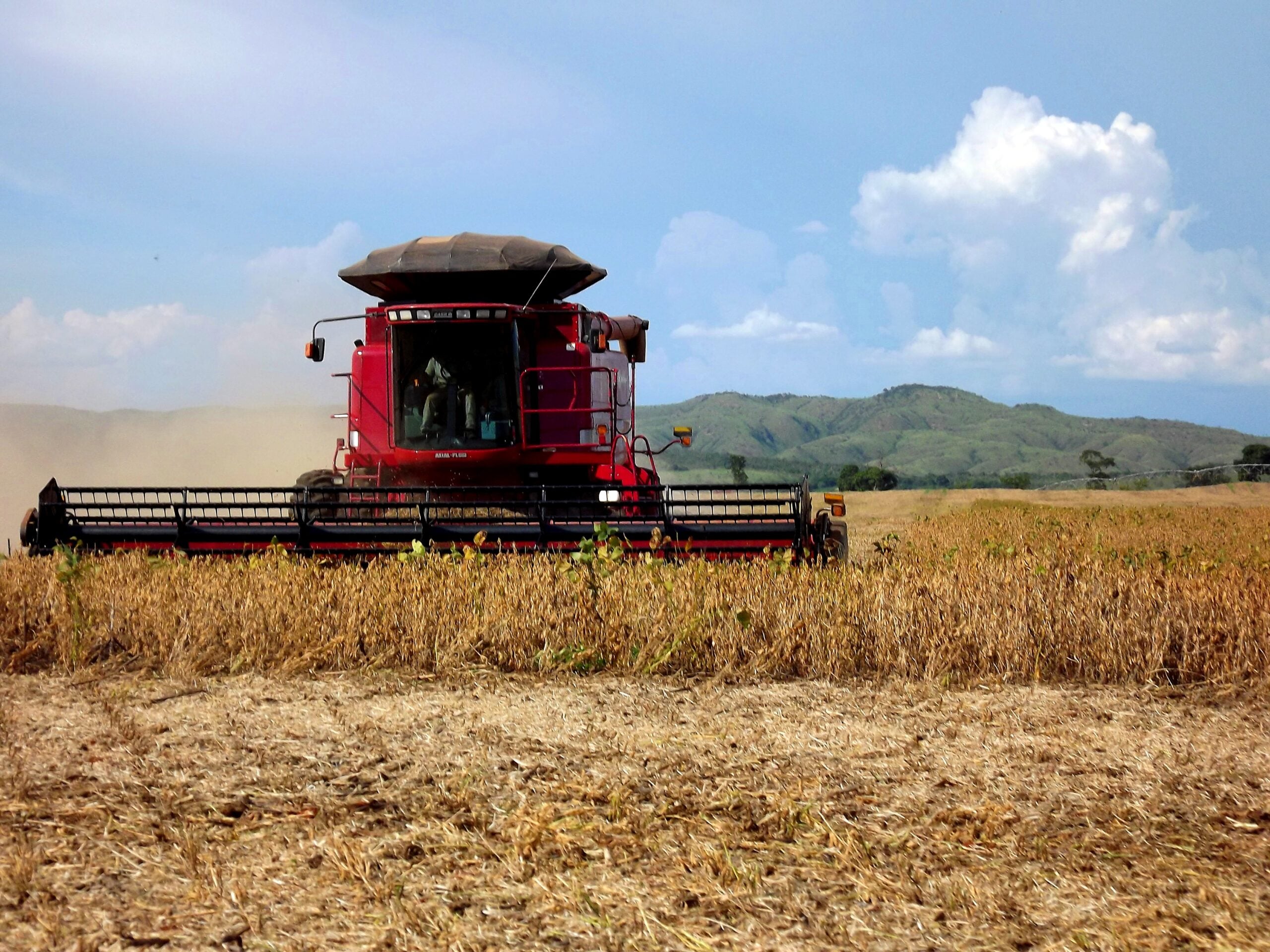
Yara International said on Wednesday, July 2, that its American arm had agreed to buy the Gulf Coast Ammonia facility in Texas City for one and a third billion dollars. The seller is GCA Holdings, a company tied to the investment firms Lotus Infrastructure Partners and MB Energy.
Ammonia is the building block of nitrogen fertilizer, the product that lets modern farms grow the volumes the world now depends on. Whoever controls the cheapest, most reliable ammonia holds a quiet but powerful position in the global food chain.
Why a Yara Texas ammonia plant matters for Brazil
Brazil is the reason this deal belongs on a Latin American reader’s radar. The country is the world’s largest exporter of soybeans and coffee, and its farms run on imported nutrients, since Brazil buys most of its fertilizer from abroad.
Yara is not a bystander in that market. Through its Porto Alegre-based Brazilian unit it is the country’s leading ammonia producer, anchored by a large complex in Cubatão, near São Paulo, and a big blending operation in the southern state of Rio Grande do Sul.
When Yara secures a cheaper, more dependable source of ammonia on the United States Gulf Coast, that supply flows into the same network that serves Brazilian growers. The read-through for the farm sector is that a steadier input cost helps steady the price of feeding a soybean or corn crop.
A 24-hour switch that shows the strategy
The timing tells its own story. Just one day before this deal, Yara announced it would not go ahead with a separate plan to buy ammonia assets in a Louisiana clean-energy complex from the industrial-gas company Air Products, saying the financial returns did not add up.
In other words, the company said no to one Gulf Coast asset and yes to another within a single day. That is a signal of discipline: Yara is willing to spend heavily, but only where it judges the numbers to work.
The two firms are not parting ways, though. Air Products will supply the hydrogen and other gases the new plant needs under a long-term contract, and the pair are still finalising a separate deal to market renewable ammonia from a large green-hydrogen project in Saudi Arabia.
The gas bet behind the purchase
The core of the logic is energy. Ammonia is made mostly from natural gas, so the cost of gas largely sets the cost of the fertilizer, and the American Gulf Coast offers some of the cheapest and most abundant gas in the world.
By owning the plant outright, Yara ties a bigger slice of its production to that low-cost American gas and to a modern export port on the Gulf of Mexico. The company said the set-up mirrors its existing operation in Freeport, Texas, which it holds up as a model of strong, consistent performance.
The plant has had a slow birth, arriving years later than first planned, and is still being commissioned toward its full rate. Yara expects it to reach stable operations by the end of this year, and eventually to run a little above its nameplate capacity.
What it costs and what it signals
The price tag lifts Yara’s planned capital spending for 2026 to roughly two and a half billion dollars, paid from cash and existing credit rather than new borrowing from shareholders. The company said the deal keeps its debt within its own limits, with a measure of borrowing against earnings moving to a level it still considers comfortable.
For a foreign investor, the wider signal is that a market leader is doubling down on secure, low-cost supply at a moment when fertilizer prices and food security are firmly back on the agenda. For Brazil, it means the company that helps feed its fields is building a sturdier backbone just upstream of the harvest.
What is the Yara Texas ammonia plant deal?
On July two, Yara agreed to buy the Gulf Coast Ammonia facility in Texas City, Texas, from GCA Holdings for one and a third billion dollars. The plant can produce about one and three-tenths million tonnes of ammonia a year and is expected to reach full output by the end of next year.
How does the deal affect Brazil?
Yara is the leading ammonia producer and one of the biggest fertilizer suppliers in Brazil, which imports most of its nutrients and is the world’s top soy and coffee exporter. A cheaper, more secure ammonia source on the American Gulf Coast feeds the same network that serves Brazilian farms, helping steady their input costs.
Background: Why Trump Has Become a Central Force in Brazil Election.
Background: Brazil Overhauls Tax System: A New Era for Business and Economy.
Background: Brazil Election Polls 2026: All Surveys, All Candidates.
Background: Fintechs and Digital Banks in Brazil 2026: Market Guide.
More: Brazil news in English, every day from The Rio Times.
Why did Yara choose this plant over the Louisiana one?
A day earlier Yara had dropped a separate plan to buy ammonia assets in Louisiana from Air Products, saying the returns were too thin. The Texas plant offers cheap American natural gas and a modern export port, which Yara judged a better fit for its low-cost strategy.
Connected Coverage
Brazil’s Fertilizer Import Dependency and the Petrobras Revival
Brazil Sets a 2050 Plan to Turn Its Mineral Wealth Into Industry
Why BlackRock Cooled on Emerging Markets but Kept Its Brazil Bet
This article was produced by The Rio Times’ automated newsroom system. How we use AI · Report an error · Editorial responsibility: Matthias Camenzind, Editor-in-Chief
LatAm Markets: Live Signals → — real-time movers, turnover leaders and FX across Latin America.
Rotate for Best Experience
This report is optimized for landscape viewing. Rotate your phone for the full experience.
You've reached your free article limit
Subscribe to The Rio Times for unlimited access to our market and company coverage across Latin America and Africa.