Why World Cup Tickets Got So Costly, With Final Seats Hitting Millions
United States · Sport
Key Facts
—The model. FIFA is using dynamic pricing for the first time, with seat costs moving in real time with demand.
—The range. Group-stage seats started around $60; final face value ran $2,030–$6,730, with premium sections scaling to $32,970.
—The resale. Seats for the July 19 final at MetLife Stadium have touched $2m on secondary platforms.
—The probe. The New York and New Jersey attorneys general have subpoenaed FIFA over its ticketing practices.
—The contrast. 1994 World Cup tickets in the U.S. ranged from $25 to $475.
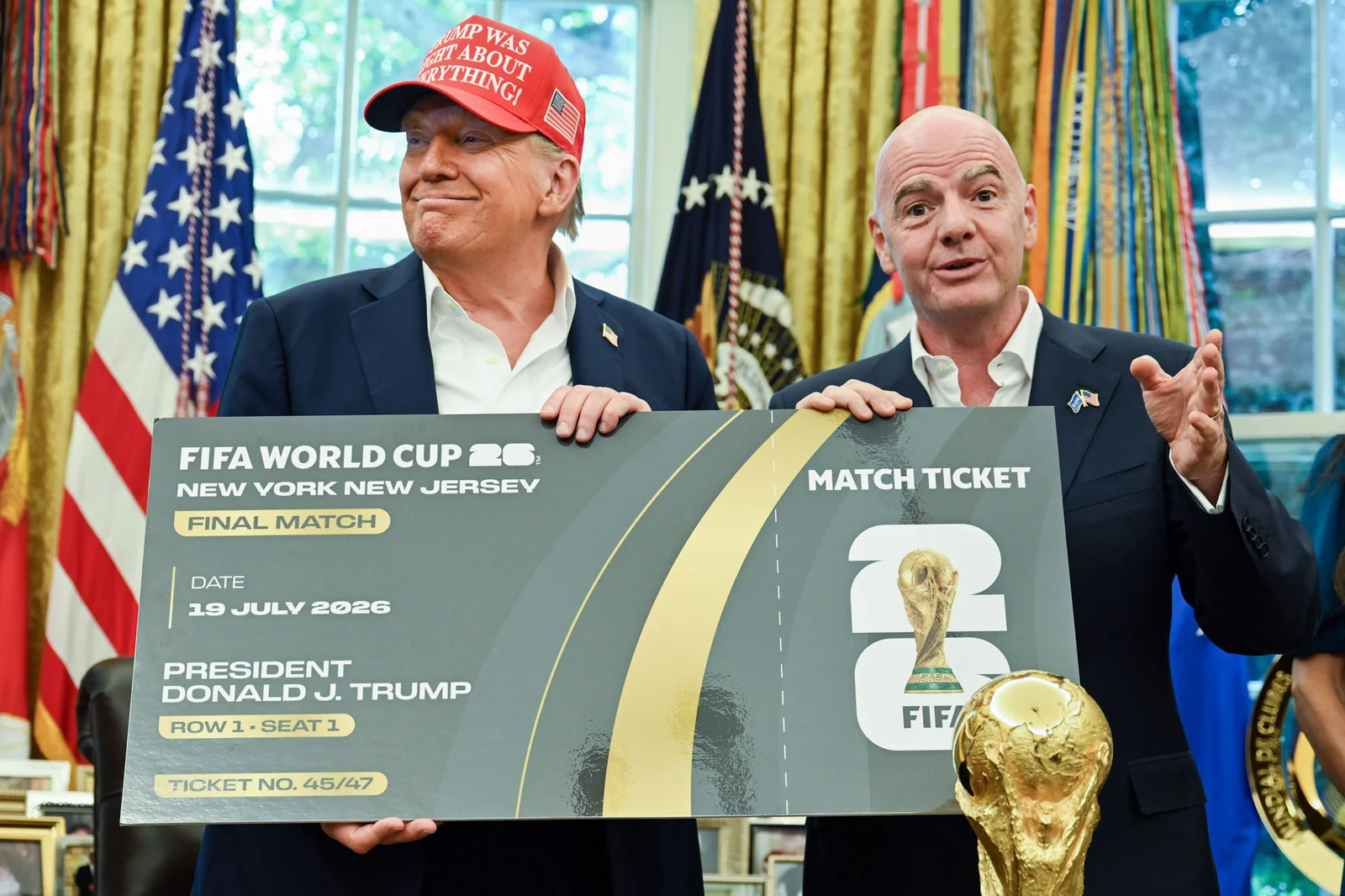
FIFA promised that football unites the world. Its pricing for the 2026 World Cup has, for many fans, done the opposite, pricing out the supporters the tournament says it serves.
Tickets for the 2026 World Cup, co-hosted by the United States, Canada and Mexico, have become some of the most expensive in the tournament’s history, and the reason is a pricing system FIFA had never used before. For the first time, world football’s governing body adopted dynamic pricing, the same demand-based model airlines and hotels use, letting seat costs rise and fall in real time. The result has been sticker shock at a scale that has drawn fan anger, economists’ warnings and a legal investigation.
How dynamic pricing pushed World Cup tickets so high
Group-stage tickets started as low as $60, but prices climbed sharply with demand. FIFA’s official face value for the final ranged from $2,030 to $6,730 depending on seating category, yet premium front sections sold directly through the FIFA portal scaled to as much as $32,970, a record for a World Cup final and a vast jump from the roughly $1,600 top seat at the 2022 final in Qatar. On the secondary market the figures turned surreal: seats for the July 19 final at MetLife Stadium in East Rutherford, New Jersey, have been listed at close to $2m. FIFA’s own resale platform adds a 15% fee to both buyer and seller, increasing the body’s take each time a ticket changes hands.
A backlash and a legal probe
The pricing has provoked a sharp reaction. The attorneys general of New York and New Jersey announced they are subpoenaing documents from FIFA over its ticketing, citing reports of exorbitant costs, fans being misled about seat locations after stadium maps were changed, and staggered sales that critics say manufactured scarcity to justify higher prices. New Jersey’s attorney general accused FIFA of turning ticket-buying into a gauntlet of confusion and fake scarcity. One European fan group called the strategy a betrayal, and in response to the outcry New York City’s mayor announced an initiative to sell $50 tickets to city residents. FIFA president Gianni Infantino has defended the approach by pointing to the strong U.S. resale market.
Who gets priced out, and why it matters
Economists warn the model risks a self-defeating outcome. Five-figure seats, layered on top of travel costs, tilt access toward the wealthy and away from the game’s most passionate supporters, raising the prospect of stadiums filled with affluent spectators rather than vibrant crowds. For fans across Latin America hoping to follow their teams north, the gap between the $60 entry point and the reality of high-demand knockout games is stark, and national-association allocations, while cheaper than resale, still run into the thousands for the final. The tournament runs from June 11 to July 19 across 16 venues, expanded to 48 teams and 104 matches, and the pricing fight has become an early storyline rivalling the football itself.
Frequently Asked Questions
Why are 2026 World Cup tickets so expensive?
FIFA adopted dynamic pricing for the first time, letting prices rise with demand; premium final seats reached $32,970 at face value.
How much are resale tickets for the final?
Seats for the July 19 final at MetLife Stadium have been listed at close to $2m on secondary platforms.
Why is FIFA being investigated?
New York and New Jersey attorneys general subpoenaed FIFA over alleged exorbitant prices, misleading seat information and manufactured scarcity.
How does this compare with past World Cups?
1994 U.S. tickets ranged from $25 to $475; the 2022 Qatar final’s top seat was about $1,600.
Connected Coverage
The same MetLife Stadium hosting the costly final sits near where Brazil’s squad is based in a quiet New Jersey town, in a region where Brazil and Morocco set up camps minutes apart.
This article was produced by The Rio Times’ automated newsroom system. How we use AI · Report an error
Read More from The Rio Times