Brazil and Morocco Set Up World Cup Camps Minutes Apart in New Jersey
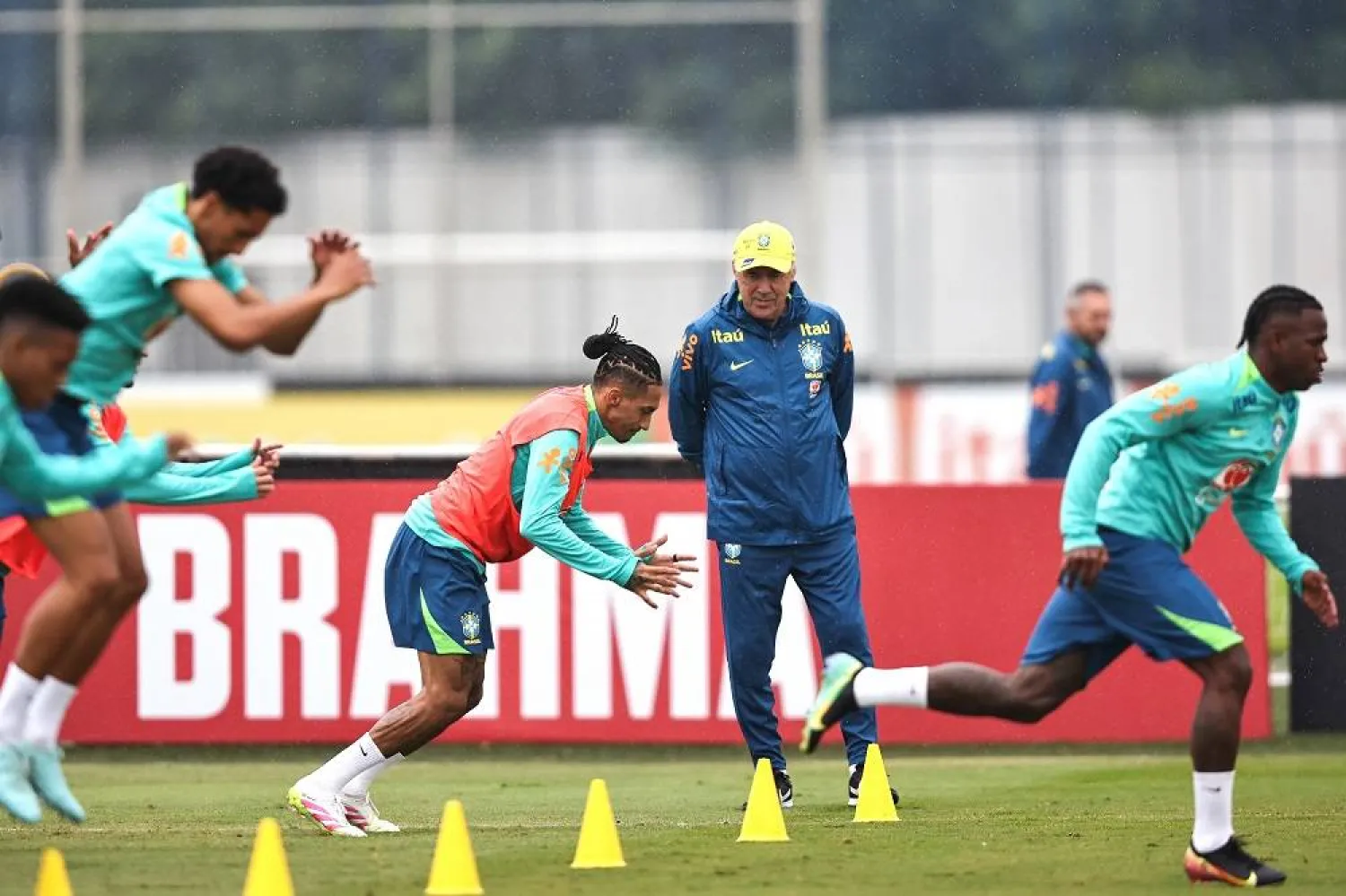
Brazil · Sport
Key Facts
—The neighbours. Brazil will train in Morristown, New Jersey, and Morocco a short drive away in Basking Ridge, before facing each other on June 13.
—The venue. The opener is at MetLife Stadium, the New York-New Jersey host venue that will also stage the World Cup final.
—The Brazil base. The Columbia Park Training Center in Morristown, the Red Bulls’ performance facility.
—The Morocco base. The Pingry School in Basking Ridge, which also served as a training site at the 1994 World Cup.
—The cluster. New Jersey hosts four national-team base camps — Brazil, Morocco, Senegal and Haiti — among the most of any U.S. region.
Two teams that will open their World Cups against each other have chosen to prepare almost within sight of one another, in the leafy suburbs of northern New Jersey.
When Brazil and Morocco meet at MetLife Stadium on June 13 in one of the group stage’s marquee fixtures, both teams will have travelled only a short distance to get there. The two sides have set up their tournament base camps minutes apart in Morris County, New Jersey — Brazil in Morristown, Morocco in nearby Basking Ridge — turning a quiet stretch of the New York metropolitan area into an unlikely staging ground for a heavyweight World Cup opener.
Two World Cup camps, minutes apart
Brazil will base its campaign at the Columbia Park Training Center in Morristown, the performance facility used by Major League Soccer’s New York Red Bulls. Morocco, meanwhile, settled on The Pingry School in Basking Ridge, a private school whose athletics complex was upgraded with international-standard pitches to win the bid. The two towns are close neighbours in suburban Morris County, meaning the squads will spend the build-up to their meeting training within a few miles of each other before walking out as opponents at MetLife Stadium, the same venue slated to host the tournament’s final.
A site with World Cup history
For Pingry, the assignment is a return rather than a debut. The school served as a training site during the 1994 World Cup, the last time the United States hosted the tournament, and officials have leaned on that heritage in welcoming Morocco’s squad, ranked among the world’s top sides after its run to the semi-finals in 2022. The continuity is a neat thread: a suburban New Jersey campus that prepared teams for a World Cup three decades ago doing so again for a generation of players who were not yet born the first time.
More: Morocco news in English, every day from The Rio Times.
New Jersey as a World Cup hub
The Brazil and Morocco camps are part of a larger concentration. New Jersey will host four national-team base camps in all — adding Senegal, based at Rutgers University, and Haiti, at Stockton University — one of the densest clusters anywhere in the host country. State officials have framed it as a tourism and economic opportunity as much as a sporting one, with eight matches scheduled at MetLife Stadium, the final among them. For Brazil, the most successful nation in World Cup history, the choice of a low-key suburban base mirrors a long-standing preference for controlled, self-contained preparation. The first test of that calm comes quickly: an old-fashioned heavyweight clash with Morocco, staged barely a drive from where both teams will have slept the night before.
Frequently Asked Questions
Where are Brazil and Morocco based for the World Cup?
Brazil at the Columbia Park Training Center in Morristown, New Jersey, and Morocco at The Pingry School in nearby Basking Ridge.
When and where do they play?
The two meet on June 13 at MetLife Stadium, the New York-New Jersey venue that will also host the World Cup final.
What is the 1994 connection?
The Pingry School also served as a training site during the 1994 World Cup, the last time the United States hosted the tournament.
How many teams are based in New Jersey?
Four: Brazil, Morocco, Senegal and Haiti, one of the largest concentrations of base camps in the host country.
Connected Coverage
As Brazil’s national team prepares abroad, its clubs juggle continental ties and survival fights at home, from Mirassol’s Libertadores run to Vasco’s Copa Sudamericana gamble.
This article was produced by The Rio Times’ automated newsroom system. How we use AI · Report an error · Editorial responsibility: Matthias Camenzind, Editor-in-Chief