Why Brazil’s September Trade Surplus Narrowed: The One-Off Behind the Headline
Brazil’s trade surplus slipped to $2.99 billion in September from $5.86 billion in August. That sounds like momentum fading. It isn’t. The month was skewed by a single, high-value oil platform imported from Singapore that temporarily inflated the import bill.
Strip out the one-off and the underlying picture looks steady to strong. Exports reached $30.5 billion and imports $27.5 billion, pushing total trade to a record $58.1 billion for a September.
Year on year, exports rose 7.2% while imports climbed 17.7%, largely because of capital and manufactured goods—again, amplified by the platform delivery.
What Brazil sold—and to whom—matters. Agribusiness led gains: beef export values jumped 55.6%, soybeans rose 20.2%, and corn gained 22.5%. Passenger-car shipments increased 50.0%.
On destinations, China bought roughly $1.1 billion more Brazilian goods than a year earlier, with additional traction in India, Singapore, Bangladesh, and the Philippines. Sales to the United States fell compared with September last year.
Zooming out, the first nine months of 2025 produced $257.8 billion in exports against $212.3 billion in imports—a $45.5 billion year-to-date surplus.
Despite the unusually narrow September reading, authorities lifted the full-year surplus outlook to about $60.9 billion, citing firmer shipments and a recalibrated view of imports.
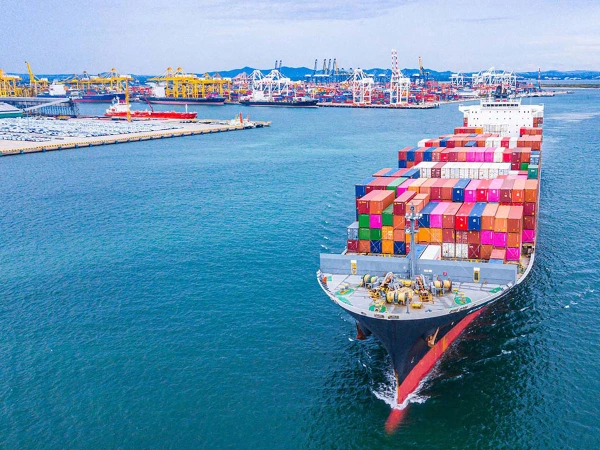
Why Brazil’s September Trade Surplus Narrowed: The One-Off Behind the Headline
Why you should care, even outside Brazil: the trade surplus is Brazil’s main source of hard currency. It supports the real and helps contain inflation by keeping imported fuel, medicines, and machinery affordable.
One big import can distort a single month, but the drivers that matter—resilient farm and mining sales, and demand from Asia—are intact.
The watch-list from here is straightforward: global growth, commodity prices, shipping costs, and policy shifts in major markets.
For now, the data point to a solid external position briefly overshadowed by a one-off delivery—not a structural loss of steam.
More: Brazil news in English, every day from The Rio Times.
This article was produced by The Rio Times’ automated newsroom system. How we use AI · Report an error · Editorial responsibility: Matthias Camenzind, Editor-in-Chief
LatAm Markets: Live Signals → — real-time movers, turnover leaders and FX across Latin America.