Global Economy Briefing — July 11, 2026
S&P 500 closes at fresh highs as SK Hynix debuts and Meta soars; the Fed's Warsh flags inflation risk; Brazil's real and Ibovespa rally.
Rio Times Global Economy Briefing
The Big Three
- SK Hynix’s record listing crowns an AI melt-up SK Hynix’s American depositary receipts jumped 12.8% above their offering price after raising $26.5 billion, the largest-ever US listing by a foreign company, while Meta extended its weekly gain to more than 14%, its best week since February 2024.
- The Fed’s hawkish pivot is the real story beneath the record highs Minutes from the FOMC’s June meeting showed only a few policymakers favoured a rate hike, but markets are now pricing at least one Fed hike by year-end 2026, with the probability of a September move at around 64%.
- Brazil catches a break as inflation finally cools Brazil’s Ibovespa jumped nearly 2% to trade close to 176,000 after annual inflation eased to 4.64% in June from 4.72% in May, below forecasts, pushing the real to its strongest level in three weeks.
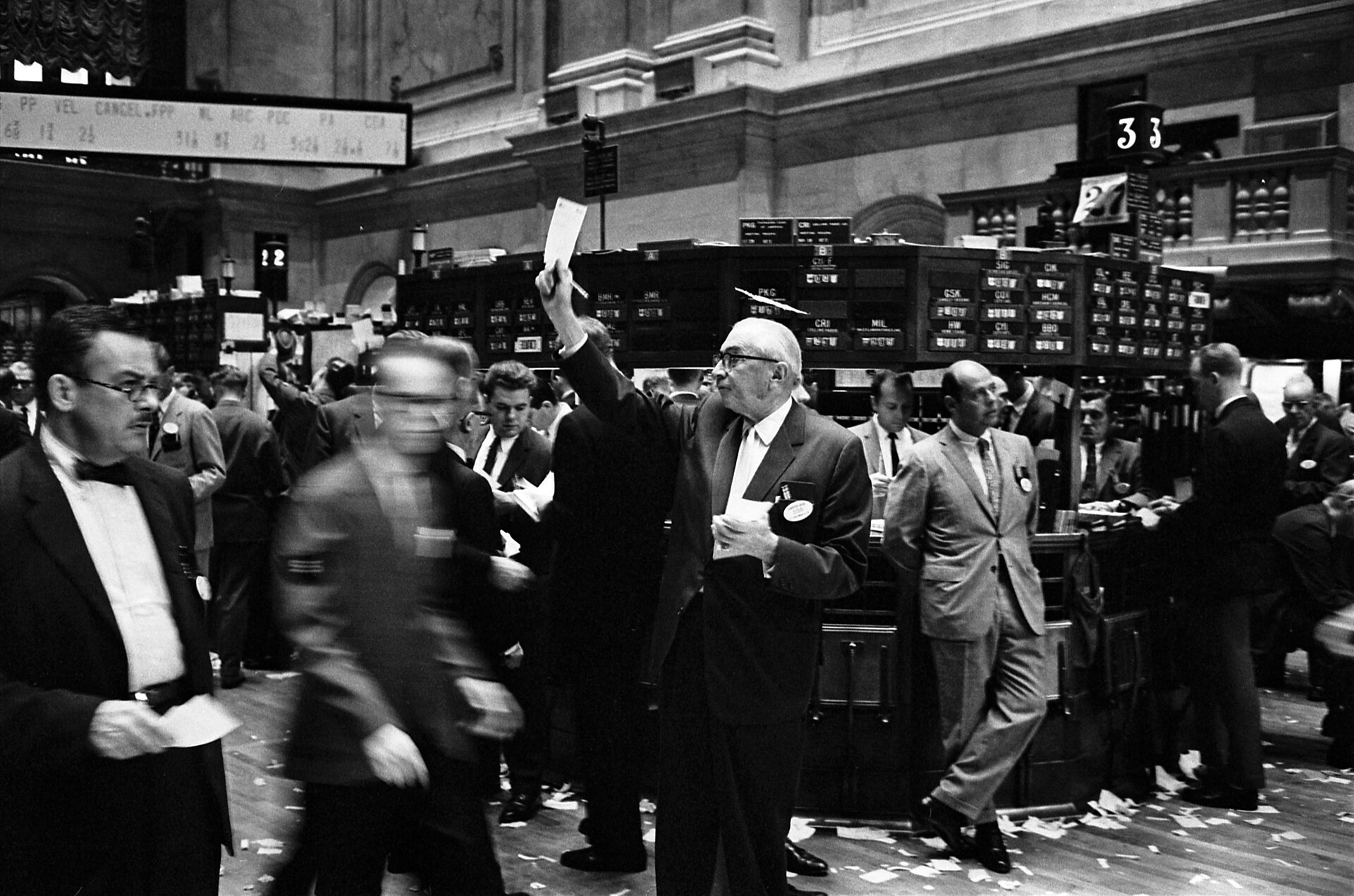
United States
| Indicator | Actual | Prior | Verdict |
|---|---|---|---|
| S&P 500 (close) | 7,575.39 (+0.42%) | 7,543.64 (Thu) | Fresh weekly high, tech and bank rotation |
| 10-Year Treasury Yield | 4.56% | 4.54% (Thu) | Grinding higher on Fed hike bets |
| Initial Jobless Claims (w/e Jul 4) | 215,000 | 217,000 (revised) | Labour market still resilient |
| Existing Home Sales (June) | 4.09 million units | 4.19 million (May, revised) | Housing cools further |
Europe & United Kingdom
| Indicator | Actual | Prior | Verdict |
|---|---|---|---|
| FTSE 100 | 10,497.29 (+0.24%) | 10,472.45 | Steady gains, defensives in favour |
| DAX 30 | 25,067.09 (-0.20%) | 25,118.27 | Tech-linked names lag |
| CAC 40 | 8,338.97 (+0.15%) | 8,326.62 | Modest advance |
| STOXX Europe 600 (Thu) | +0.8% | — | Rebound as chipmakers recover |
Asia-Pacific & Emerging Markets
| Indicator | Actual | Prior | Verdict |
|---|---|---|---|
| Nikkei 225 (Thu) | +1.4% | — | Chip rebound lifts Tokyo |
| Hang Seng (Thu) | -0.7% | — | Underperforms on tech jitters |
| CSI 300 (Thu) | +2.5% | — | China outperforms regional peers |
| Ibovespa | ~176,000 (+~2%, Fri) | 172,742 (Thu) | Cooler IPCA sparks rate-cut bets |
| USD/BRL | 5.11 (Fri) | 5.1161 (Thu) | Real at three-week best |
| Brazil Selic Rate | 14.25% | 14.50% (prior) | Third straight quarter-point cut |
Live Market IntelligenceGlobal Markets — Live Board
Rio Times · Live Market Intelligence
Global Markets — Live Board
| Instrument | Last | Change | YoY | Prev. | High | Low | Volume |
|---|---|---|---|---|---|---|---|
| SPX | 7,751 | +0.29% | — | — | — | — | — |
| NDX | 29,799 | +0.93% | — | — | — | — | — |
| DJI | 53,810 | +0.03% | — | — | — | — | — |
| RUT | 3,041 | +0.46% | — | — | — | — | — |
| US10Y | 4.6760 | -0.17% | — | — | — | — | — |
| VIX | 14.60 | -4.45% | — | — | — | — | — |
| DAX | 26,331 | -0.23% | — | — | — | — | — |
| FTSE | 10,833 | -0.10% | — | — | — | — | — |
| CAC | 8,675 | -0.46% | — | — | — | — | — |
| STOXX | 659.48 | -0.16% | — | — | — | — | — |
| NIKKEI | 67,524 | +0.83% | — | — | — | — | — |
| HSI | 25,440 | -0.83% | — | — | — | — | — |
| KOSPI | 6,579 | +3.68% | — | — | — | — | — |
| CSI300 | 4,691 | +0.58% | — | — | — | — | — |
| NIFTY | 24,436 | -0.15% | — | — | — | — | — |
| TSX | 36,619 | +0.39% | — | — | — | — | — |
| GOLD | 4,461 | +1.78% | +33.20% | 4,383 | 4,503 | 4,421 | 139,824 |
| SILVER | 65.59 | +1.26% | +73.05% | 64.77 | 66.98 | 64.81 | 46,406 |
01 The Global Economy: Chips, Debuts and a Meta Melt-Up
Wall Street closed out a choppy week on a high note, powered by the biggest foreign listing in US history and a tech sector that simply would not quit. The broad market index ended the day up 0.42% at 7,575.39, while the tech-heavy Nasdaq Composite added 0.29% to close at 26,281.61, and the 30-stock Dow Jones Industrial Average increased 149.60 points, or 0.29%, to settle at 52,637.01. It capped a week in which the S&P 500 and Nasdaq both notched gains despite a genuinely volatile few sessions.
The marquee event was SK Hynix’s Nasdaq debut. SK Hynix American depositary receipts jumped 12.8% above their offering price after raising $26.5 billion in the largest-ever US listing by a foreign company. Peer chipmakers were mixed but Nvidia and AMD both advanced, underscoring how the AI-memory trade keeps widening rather than narrowing.
Meta was the other headline act. Meta Platforms is ahead almost 6% Friday, extending its weekly gain to more than 14%, the largest weekly advance since Feb. 2024, having climbed 22% in the past 10 trading days. Separately, Micron Technology has decided to invest more than $250 billion in the United States through 2035, up from an original plan of $170 billion that it had already raised to $200 billion in June – a reminder that the AI capex cycle is still accelerating, not cooling.
02 Warsh’s Warning and the Hike Nobody Priced In
The real tension beneath the record closes is a Federal Reserve that markets no longer trust to be finished tightening. New Fed Chair Kevin Warsh rattled bond markets earlier this month when he warned that Treasury yields rise, with 30-year trading above key 5% level and that, in his own words, ‘prices are too high’.
That hawkish framing is now showing up in the data traders watch most closely. Minutes from the FOMC’s June meeting showed that only a few policymakers favoured a rate hike, although officials expressed growing concern about inflationary pressures, and markets continue to price in at least one Fed rate hike by the end of 2026, while the probability of a move at the September meeting currently stands at around 64%. New York Fed President John Williams said that, among the factors driving inflation in the US, he is most focused on demand fuelled by artificial intelligence, tying the AI boom directly to the rate debate.
Treasury yields have followed the rhetoric higher: the 10-year Treasury note yield was 4.56% as of 3:30 p.m. ET, with the past year’s high at 4.67% on May 19, 2026. For Brazil, the maths still works in the real’s favour for now – the interest rate differential remains supportive for the real, with Brazil’s benchmark Selic rate at 14.25% compared with the US policy range of 3.50%-3.75% – but a genuine Fed hike would narrow that cushion fast.
03 Hormuz’s Shadow, São Paulo’s Relief
Oil remains the wildcard tying the Fed story to the real economy. Brent crude closed near $76 per barrel, recording a weekly gain of about 5%, with shipping through the Strait of Hormuz, a critical route for around 20% of the world’s oil and gas trade, remaining significantly disrupted, keeping a risk premium in oil prices. The International Energy Agency warned that prolonged tensions could delay rebuilding global oil inventories and disrupt the expected oil market balance, a risk that feeds straight back into the Fed’s inflation calculus.
Brazil, meanwhile, got the inflation surprise it badly needed. The Ibovespa jumped nearly 2% to trade close to 176,000 on Friday after Brazil’s inflation data came in below expectations, with annual inflation easing to 4.64% in June from 4.72% in May, below market forecasts of 4.80%, bringing it closer to the BCB’s target range of 1.5%-4.5%. The currency moved in sympathy, with the Brazilian real strengthening to 5.11 per USD from 5.17 in early July, its highest level in over three weeks, tracking other emerging market currencies as the US dollar weakened.
The policy backdrop remains a delicate balancing act. Brazil’s central bank cut its benchmark rate by 25 basis points to 14.25% at its June meeting, in line with market expectations and marking a third straight quarter-point rate cut, with policymakers citing heightened uncertainty and a wish to support activity without compromising price stability. With Copom‘s next meeting on 28-29 July finely balanced between a hold and a fourth cut, every US inflation surprise – and every word from Warsh – now doubles as a signal for São Paulo trading desks.
What to watch today and this week
- Monday, July 13: US Q2 bank earnings season opens; investors will parse how much of the AI capex boom is showing up in corporate credit and trading revenue.
- Mid-week: June US CPI print lands as the decisive test of whether Warsh’s hawkish rhetoric survives contact with the data.
- July 28-29: Brazil’s Copom meets with markets split between holding the Selic at 14.25% and delivering a fourth straight quarter-point cut.
- Ongoing: The fragile US-Iran ceasefire and disrupted Strait of Hormuz shipping remain the single biggest swing factor for oil, inflation and Fed policy alike.
Frequently Asked Questions
Why did Wall Street rally even as Fed rate-hike fears grow?
SK Hynix’s record-breaking US listing and Meta’s blistering weekly gain overshadowed the hawkish Fed signals for now, with the S&P 500 and Nasdaq both closing the week higher despite the volatility.
Is the Federal Reserve really considering a rate hike in 2026?
Markets currently price at least one hike by year-end, with roughly a 64% probability attached to a move at the September meeting, following hawkish comments from new Fed Chair Kevin Warsh and FOMC minutes flagging rising inflation concern.
Why did Brazil’s Ibovespa and the real jump on Friday?
Brazil’s June inflation reading came in at 4.64%, cooler than the 4.80% economists expected, reviving bets on further Selic cuts and lifting both the Ibovespa and the currency.
What is driving the volatility in oil prices?
Renewed US-Iran hostilities have disrupted shipping through the Strait of Hormuz, a route that carries roughly a fifth of the world’s oil and gas trade, keeping a risk premium in Brent and WTI even as talks continue.
What does this mean for Brazil’s Selic rate path?
Brazil has cut rates three straight times to 14.25%, but the Fed’s more hawkish tone narrows the interest-rate cushion that has supported the real, making the 28-29 July Copom decision a genuine toss-up.
This article was produced by The Rio Times’ automated newsroom system. How we use AI · Report an error · Editorial responsibility: Matthias Camenzind, Editor-in-Chief