Watermelon Is Main Fruit for Fighting Anxiety and Panic Attacks
RIO DE JANEIRO, BRAZIL – It is difficult to find anyone who does not enjoy a delicious watermelon, the favorite of picnics. The watermelon is widely considered one of the healthiest fruits. It is rich in key antioxidants, providing sources of vitamins A and C.
It is entirely fat and cholesterol-free. It is also a cleansing fruit, allowing effortless digestion to occur and allowing the body to easily absorb all its minerals and nutrients.
Benefits
Moisturizer: Watermelon can really do wonders for the skin, acting as a natural moisturizer and toner to keep the skin fresh and glowing.
Diet: Completely fat-free and low in calories (approximately 48 calories per cup), the watermelon is an ideal food for any summer diet plan. Replacing a high-calorie dessert with a large slice of watermelon can help weight loss this summer.
Nutrition: The watermelon is nutritious due to its high water content. The fruit is also rich in electrolytes such as sodium and potassium. On a hot day, the electrolytes lost through sweat can be replenished with a slice of watermelon.
If at some point this summer you may feel tired, choosing a slice of watermelon, packed with potassium, vitamin C, lycopene and iron, will help to dispel that feeling of fatigue.
Stress: the watermelon is the fruit of people seeking to relieve stress. It contains large amounts of vitamin B6, which is used by the body to produce chemicals in the brain that relieve stress, anxiety and panic attacks, the watermelon is the best fruit of choice to relieve stress.

The wonderful fruit naturally relaxes the blood vessels without the side effects of medication.
Losing weight: The watermelon can make your metabolism work more efficiently to burn fat, due to its high water content.
When consuming a healthy amount of fiber and protein it will make your body work harder to process the watermelon. Most calories burn quickly after consuming a slice of watermelon.
Often, choosing the right watermelon may be difficult. The next time you choose your watermelon, choose one with a bright green peel. A better color on the outside usually means better color and taste on the inside. Also, tap the shell with your fist.
If the sound is hollow, it signals that the watermelon is firm. You should never buy a watermelon with a soft yellow-green peel.
Nutrients and beneficial vegetable compounds
Among fruits, the watermelon is one of the lowest in calories – only 46 calories per cup (154 grams). This is lower than fruits with low sugar content, like berries.
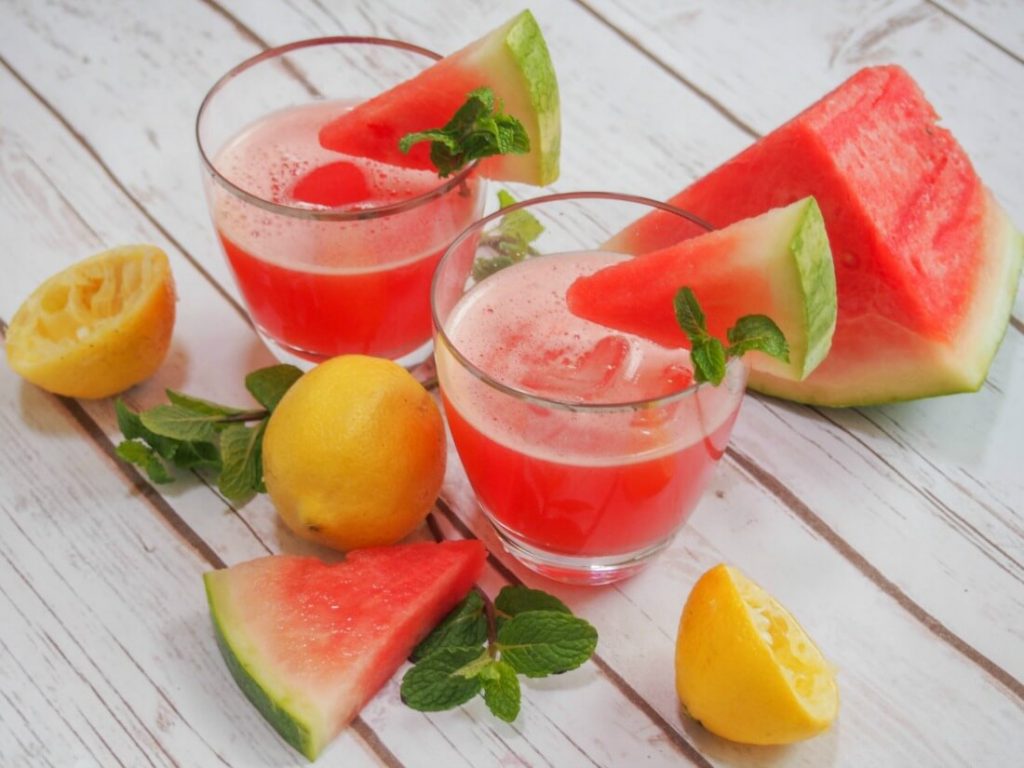
An average slice of (154 grams) watermelon also contains many other nutrients, including these vitamins and minerals:
Vitamin C: 21 percent of the reference daily intake (RDI)
Vitamin A: 18 percent of RDI
Potassium: 5 percent of RDI
Magnesium: four percent of RDI
Vitamins B1, B5 and B6: three percent of RDI
Watermelon is also rich in carotenoids, including beta-carotene and lycopene. In addition, it has citrulline, an important amino acid.
The lycopene contained and other individual plant compounds in the watermelon due to its anti-carcinogenic effects, although the ingestion of lycopene is associated with a lower risk of some types of cancer, the results of the study are varied. The strongest link so far appears to be between lycopene and cancers in the digestive system.
It appears to reduce the risk of cancer by decreasing the insulin-like growth factor (IGF), a protein involved in cell division. High levels of IGF are linked to cancer.
This article was produced by The Rio Times’ automated newsroom system. How we use AI · Report an error
Read More from The Rio Times