Venezuela: US Blocks Delcy Rodríguez’s Citgo Board Bid
VENEZUELA · CITGO
Key Facts
-
—
What happened. Treasury blocked Rodríguez’s move to replace Citgo’s opposition-appointed board this month. -
—
How it fits. The block sits inside the same license update that eased contract rules for PDVSA, Venezuela’s state oil firm. -
—
The catch. No one may appoint, remove or replace a director at Citgo, PDV Holding or Citgo Holding for now. -
—
Who it affects. Citgo’s opposition-appointed directors, installed in 2019 to keep the refiner away from Maduro. -
—
What comes next. Rodríguez is reportedly planning to attend the United Nations General Assembly in New York next week. -
—
The wider picture. A US$5.9 billion Elliott Investment Management bid for Citgo still awaits Treasury approval.
A License With Two Sides
The US Treasury updated its Venezuela sanctions license on 14 September. One clause loosened contract rules for PDVSA officials, but another shut a door on Citgo.
The Treasury’s sanctions arm, known as OFAC, amended General License 52. The new paragraph bars anyone from appointing, removing or replacing a director at Citgo, PDV Holding or Citgo Holding.
Analysts had expected the license to simply widen the space for oil deals. Instead, it drew a hard line around who may sit on Citgo’s board, and left that question frozen for now.
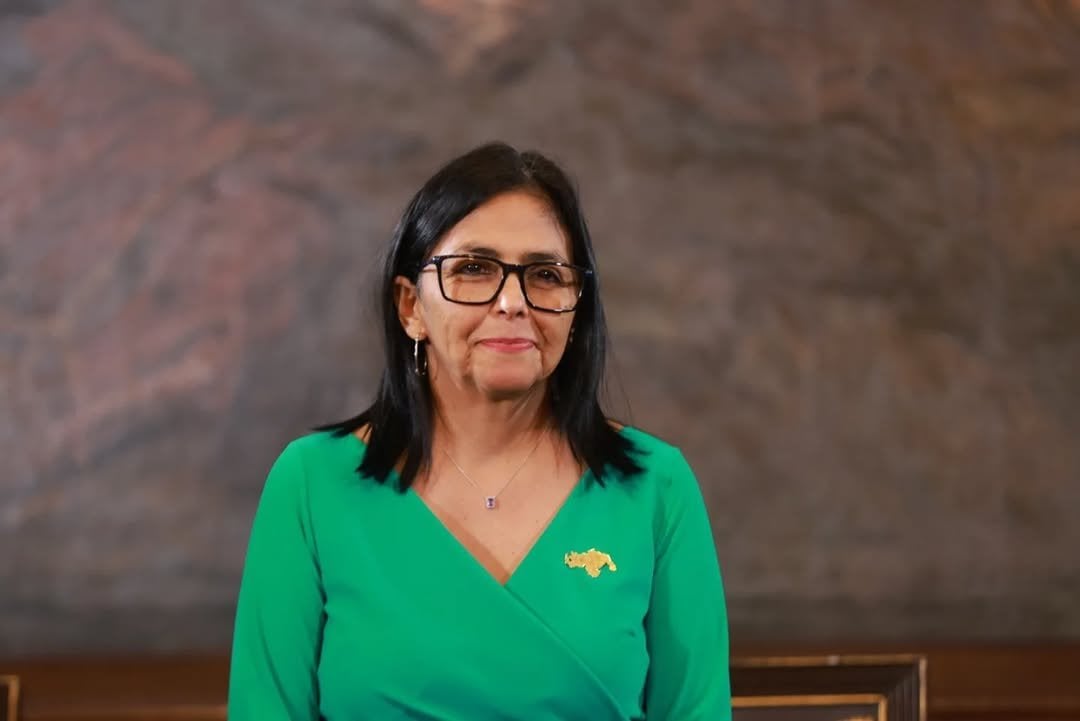
Rodríguez’s Board Play
Rodríguez had moved to end opposition oversight of Citgo this year, Reuters reported. Her government began replacing law firms that represented Venezuela in foreign courts.
It also prepared to reclaim the state oil company’s most valuable overseas asset. The 2019 sanctions regime had placed Venezuela’s opposition in charge of Citgo’s board.
That arrangement was meant to keep the refiner out of Nicolás Maduro’s reach. Maduro’s capture by US forces early this year changed Washington’s calculus entirely.
One person involved in the preparations described the shift bluntly. “The boards are no longer recognized as valid by all political and legal counterparties,” the person said.
Why the Board Stays Frozen
Florida International University Venezuela expert Imdat Oner said the Trump administration now effectively owns Citgo. He argued Washington no longer needs an opposition board to protect the asset.
But the license amendment froze board control in place rather than handing it to Rodríguez outright. Citgo’s ownership remains contested well beyond Caracas and Washington.
An Elliott Investment Management bid worth US$5.9 billion still awaits Treasury approval. An October appeals hearing could still reshape who ends up controlling the refiner.
Opposition leader María Corina Machado rejected the takeover outright. “Our oil patrimony does not belong to Rodríguez’s illegitimate regime,” she said.
A Trip to New York
Bloomberg reported Rodríguez plans to attend the UN General Assembly next week, citing people familiar with the plans. No leader from Venezuela’s government has attended the assembly since Maduro did in 2018.
President Trump did not rule out a meeting with her. He said only that it was possible, and that the two sides had already talked quite a bit.
Secretary of State Marco Rubio said a meeting would be likely if she travels to New York. Neither government has officially announced the trip yet.
If it goes ahead, Rodríguez would be in New York while Maduro sits in US federal custody. He faces narcoterrorism and drug trafficking charges after his capture.
What It Means for Citgo
The license change signals that Washington wants oil deals moving without opening a new fight over Citgo. Energy Secretary Chris Wright oversaw new oil agreements with Venezuela on 2 September.
Those deals depend on PDVSA officials being able to sign contracts despite personal sanctions. Freezing Citgo’s board sidesteps a governance dispute that could have derailed the broader opening.
It also keeps the refiner’s fate tied to the pending court fight over its sale. That fight, not Caracas, will likely decide who controls Citgo next.
The Diplomatic Backdrop
Rubio has described Washington’s Venezuela policy as moving through three phases. Stabilization comes first, followed by economic recovery and then a longer democratic transition.
Officials consider the stabilization phase largely complete after Maduro’s removal in January. Economic recovery, especially in energy, now depends on exactly this kind of legal and institutional groundwork.
A Rodríguez appearance at the UN would mark a striking shift in that process. It would be the clearest sign yet that Washington is dealing with her government as a going concern, not a caretaker regime.
Venezuela has not sent a head of state to the assembly since Maduro’s final appearance in 2018. A confirmed visit would underline how far the reset in relations between Caracas and Washington has already gone.
Did Rodríguez get control of Citgo?
No. The same license update that eased other rules explicitly froze Citgo’s governance in place.
Why does Citgo matter so much?
It is PDVSA’s largest asset abroad and the main US refiner tied to Venezuelan oil. Its ownership has been disputed in US courts for years.
Will Trump meet Rodríguez in New York?
Nothing is confirmed. Trump and Rubio have both said a meeting is possible if her trip goes ahead.
Is this the first time a Venezuelan leader has skipped the board fight?
No. Rodríguez already tried once this year and drew the same response from Washington.
Her government has instead focused on the parts of Citgo it can influence, such as legal representation abroad. Direct control of the boardroom remains out of reach for now.
Sources: US Department of the Treasury (OFAC), Reuters, Bloomberg, WLRN, Latin Times, La Patilla.
This article was produced by The Rio Times’ automated newsroom system. How we use AI · Report an error
Read More from The Rio Times