Brazil’s Cade Approves Claro’s Purchase of Broadband Provider Desktop
Key Facts
-
—
What happened. Brazil’s antitrust regulator, Cade, cleared Claro’s purchase of broadband provider Desktop without conditions. -
—
How big. Claro is paying about R$4 billion (US$778 million) for a 73% stake in Desktop. -
—
The catch. This is a separate deal from Desktop’s own earlier purchase of a smaller provider, Fasternet; here Desktop is the one being bought. -
—
Who it affects. Desktop’s roughly 1.2 million broadband customers, mostly in small and mid-sized São Paulo state cities. -
—
What it means. Claro’s national broadband base grows to about 12 million subscribers, over 21% of the market. -
—
What comes next. The ruling becomes final if no appeal is filed within 15 business days of publication.
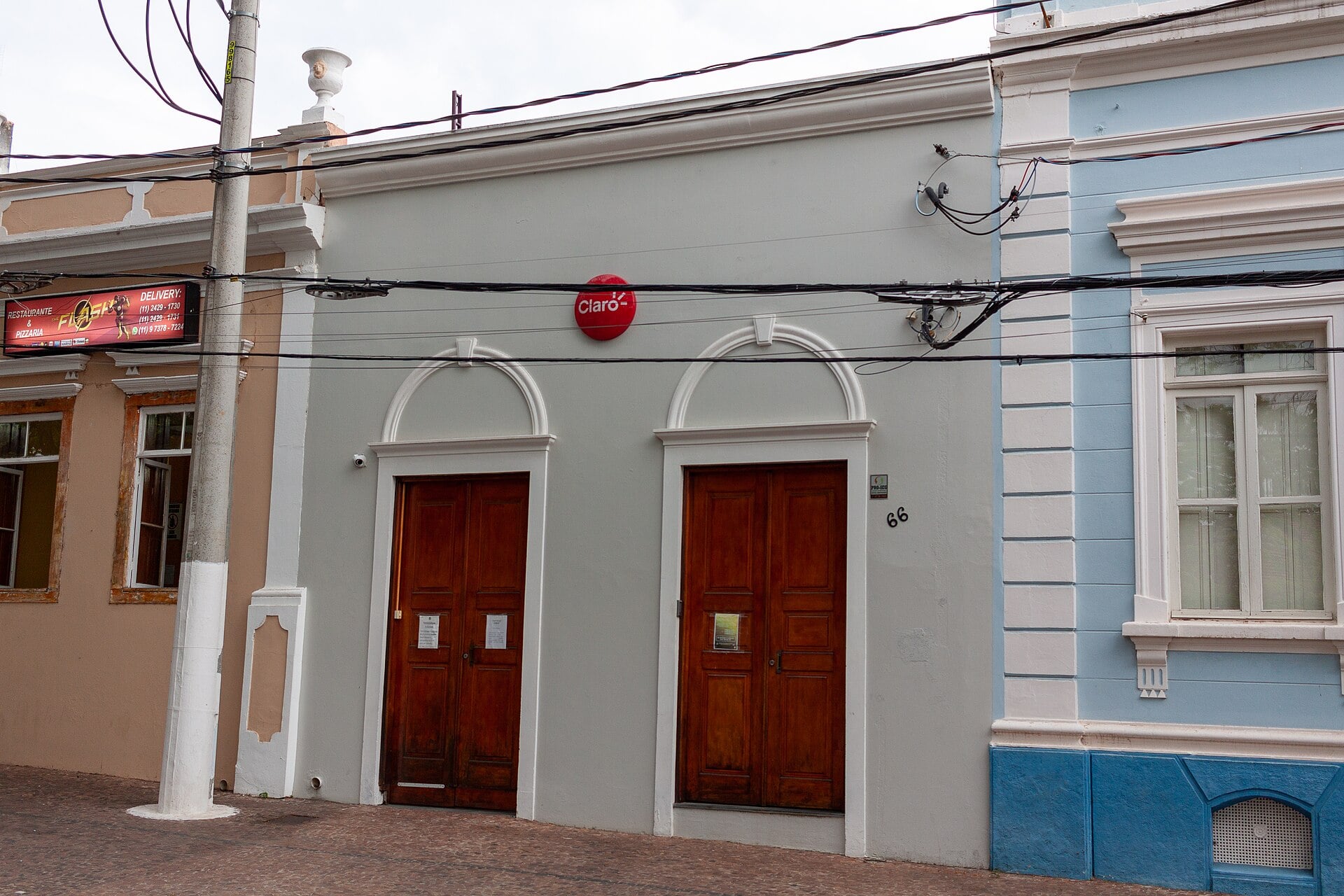
Brazil’s antitrust regulator has cleared Claro’s purchase of broadband provider Desktop. The Superintendência-Geral do Cade, the agency’s technical arm, approved the deal without restrictions on September 11.
Claro is paying roughly R$4 billion (US$778 million) for a 73% stake in Desktop. The price includes about R$2.4 billion (US$467 million) in cash and R$1.6 billion (US$311 million) in assumed debt.
The deal hands Claro 84 million ordinary Desktop shares. Sellers include investment fund Makalu Brasil Partners, controlled by private equity firm HIG Capital, along with Desktop founder Denio Alves Lindo.
Desktop shares, traded on B3 under ticker DESK3, rose 0.52% on the approval news to close at R$19.40 (US$3.77). That left the stock trading near its 52-week high of R$19.44 (US$3.78).
A Different Desktop Deal
This transaction should not be confused with an earlier, separate deal already reported involving Desktop and a smaller provider called Fasternet. In that prior deal, Desktop was the buyer, not the target.
Here, the roles are reversed. Telecom giant Claro, a unit of Mexican group América Móvil, is the one acquiring Desktop outright.
Claro already leads Brazil’s postpaid and fiber-broadband segments, even though rival Vivo remains the largest carrier overall. Adding Desktop’s network builds out Claro’s wireline footprint in one of the country’s richest states.
Who Is Desktop
Desktop is Brazil’s eighth-largest broadband provider by subscriber count. It serves about 1.2 million customers, giving it roughly 2.1% of the national market.
The company built its network mainly in small and medium-sized cities across São Paulo state. It also has a presence in some of the state’s larger urban centers.
Within São Paulo state specifically, Desktop’s footprint overlaps with Claro’s existing network in 198 municipalities. In some of those cities, the combined company’s market share will exceed 50% once the deal closes.
Why Cade Approved It Anyway
Cade’s technical staff found that overlap did not justify blocking or conditioning the deal. Their analysis pointed to a “reduced probability” that the combined company could unilaterally exercise market power.
Investigators cited existing competitive infrastructure from rivals in the overlapping areas. They also noted Claro’s incentive to consolidate and streamline the two networks rather than let redundant capacity sit idle.
Nationally, the math looks less concentrated. Claro’s broadband subscriber base will grow to about 12 million customers, giving it a market share above 21%.
A Bumpy Regulatory Road
The deal did not sail through every regulator on the first pass. Brazil’s telecom regulator, Anatel, initially issued a negative assessment of the transfer of Desktop’s operating licenses.
Anatel later reversed that position. The agency approved the license transfer in May, clearing the way for Cade’s antitrust review to proceed.
What Happens Next
Cade’s approval is not automatically the final word. Since the Superintendência-Geral, rather than Cade’s full tribunal, issued the ruling, it must still run through an appeal window.
Third parties or Cade’s own leadership have 15 business days after official publication to request a broader review. If nobody does, the approval becomes final and binding on its own.
Most merger cases in Brazil are resolved at this technical, first-instance level. Only a small share ever advance to Cade’s full governing tribunal for a second look.
Once the acquisition closes, Claro must also launch a separate tender offer for Desktop’s remaining shares. Brazilian securities rules require that step whenever a buyer takes control of a listed company.
The offer must extend the same terms to the other 27% of shareholders still holding stock on B3. Those investors will then decide whether to sell or keep a minority stake.
The Bigger Picture for Brazilian Broadband
The Claro-Desktop deal is part of a broader wave of consolidation among Brazil’s mid-sized internet providers. Smaller regional players have increasingly sold out to national carriers as fiber build-out costs rise.
For Claro, absorbing Desktop adds density in São Paulo’s interior without having to build a competing fiber network from scratch. For Desktop’s customers, the immediate change is mostly a new corporate parent rather than a new network.
Claro’s Mexican parent, América Móvil, has signaled it wants more deals like this one. Executives have said publicly they are hunting for additional fiber assets in Brazil and beyond.
That search reportedly extends to other Latin American markets, including Peru. Brazilian outlets covering the approval framed it as a potential trigger for further consolidation.
Other regional internet providers face the same rising cost of fiber build-out. Some may now look more seriously at selling to a larger national carrier instead of competing alone.
Regulators will likely keep watching how national carriers integrate these regional networks in the months ahead. Cade’s approval, once final, sets an early template for how much market overlap the regulator will tolerate in Brazil’s broadband sector.
This article was produced by The Rio Times’ automated newsroom system. How we use AI · Report an error
Read More from The Rio Times