Venezuela Tells Oil Firms to Bring Their Own Power Plants
Venezuela · Energy
Key Facts
—The rule. Draft regulations would require oil firms to generate their own electricity.
—The reason. Venezuela’s power grid is too frail to support a recovering oil sector.
—The shortfall. Analysts estimate a national power deficit of 2,000 to 3,000 megawatts.
—The exposure. More than 95% of one US producer’s main-region wells rely on the grid.
—The state. Hydro plants run near 60% of capacity and thermal plants near 20%.
—The tally. The country logged about 35 power cuts in the first four months of 2026.
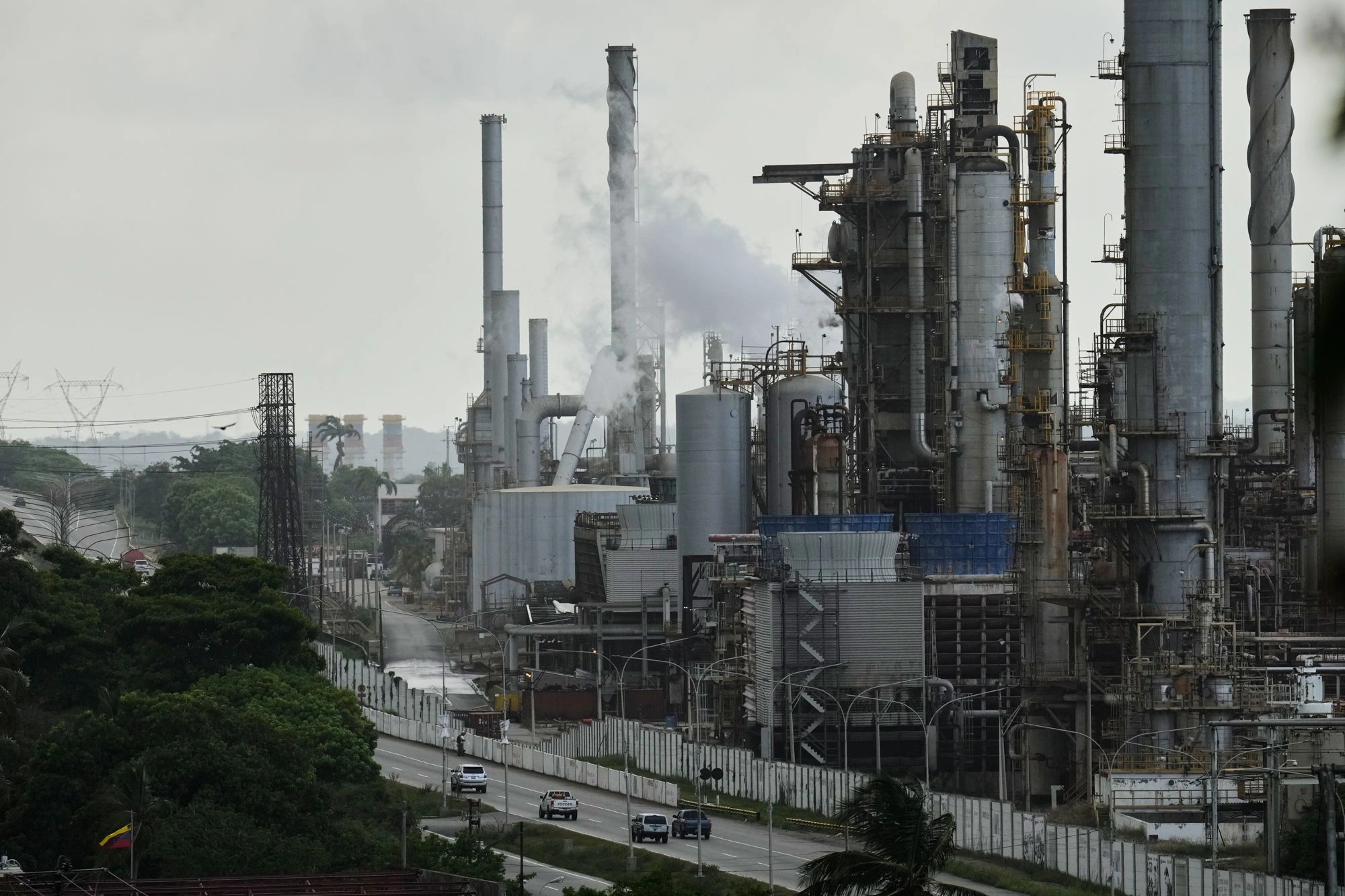
Venezuela is quietly telling foreign firms to supply their own oil power, a sign that its crumbling grid has become the biggest obstacle to its oil comeback.
Venezuela is trying to rebuild its oil industry, but it has run into an awkward problem. The country can no longer keep the lights on reliably enough to run it.
So the government has a blunt new message for the foreign firms it is courting. If you want to pump oil here, bring your own power plant.
The instruction sits in draft rules for the country’s oil law. According to a document seen by Bloomberg, companies would have to be self-sufficient in electricity in oil and gas zones.
In practice that means working off the national grid entirely. Operators would generate their own supply rather than draw from a network prone to sudden failures.
Why oil power has become the choke point
The logic is defensive. The rules are meant to shield oil operations from the frequent blackouts that plague homes and businesses across the country.
The frailty of the system is striking. By one expert estimate, the country’s hydroelectric plants run at about sixty percent of capacity and its thermal plants at around twenty.
The gap that leaves is large. National demand outstrips supply by an estimated two to three thousand megawatts, enough to power a small country on its own.
The outages are routine, not rare. One former energy-planning official counted about thirty-five separate power cuts in just the first four months of the year.
A grid that cannot lift the oil revival
The dependence runs deep. In the country’s main oil belt, more than ninety-five percent of one US producer’s wells draw their electricity from the public grid.
Fewer than five percent run on their own generators. The picture is much the same in the oil-rich basin around the country’s great lake in the northwest.
That reliance is more dangerous than it sounds. Oil wells use electric motors that are sensitive to swings in the power supply, and a single dip can shut them down.
Restarting is slow and costly. Each stoppage means lost output until a well can be coaxed back to life, sometimes automatically and sometimes by hand.
What it means for the comeback
For a reader abroad, the signal is important. Venezuela has been loosening its rules and welcoming back foreign oil firms after years of sanctions and isolation.
But the welcome comes with a hidden cost. Building private power plants adds a heavy expense just as companies weigh whether to commit fresh money to the country.
That changes the basic sums. An operator must now factor in the price of a power station before it counts a single barrel of profit.
It also reshapes the competition. Firms with deep pockets and their own engineering arms are better placed to absorb the burden than smaller rivals.
There is already movement on the ground. A state joint venture is helping the national oil company upgrade a gas plant to feed more electricity into extraction work.
The deeper lesson is plain. A barrel of oil is only as good as the power needed to lift it, and on that score Venezuela still has a mountain to climb.
The draft offers operators one concession. It would let private firms sell electricity to the oil companies, opening a small new market in power supply.
That could soften the blow over time. A specialist provider might build and run the plants, sparing each oil firm the task of becoming its own utility.
The companies named in the reporting stayed silent. The US producer, the national oil company and the information ministry all declined to comment.
Frequently Asked Questions
What do the new rules require?
Draft regulations for Venezuela’s oil law would require companies to be self-sufficient in electricity in oil and gas zones. In practice they would operate off the national grid, generating their own power.
Why is the grid so weak?
Years of underinvestment and poor maintenance have hollowed out the network. Analysts estimate hydro plants run near sixty percent of capacity and thermal plants near twenty, leaving a large deficit.
Why does this matter for the oil comeback?
Building private power plants adds a major cost just as foreign firms weigh fresh investment. It signals that the weak grid, not sanctions alone, is now a key barrier to higher output.
Connected Coverage
An Argentine firm moves to revive Venezuela’s stalled power dams
This article was produced by The Rio Times’ automated newsroom system. How we use AI · Report an error · Editorial responsibility: Matthias Camenzind, Editor-in-Chief