Venezuela Oil Stays State-Owned Under US Deal, Caracas Says
VENEZUELA · OIL
Key Facts
What happened: Venezuela’s interim president said the country retains oil ownership under a US deal.
How big it is: Rodríguez said the deal covers 65 billion barrels over 25 years.
What it means: US firms gain access, but Caracas says it keeps ownership.
The catch: Some Chinese and Russian operators are displaced, not staying as partners.
Who it hits: Chinese and Russian oil firms lose fields to US companies.
What comes next: Chevron aims to double its Venezuelan output to 600,000 bpd by 2031.
Caracas says Venezuela oil stays in state hands under its 25-year agreement with Washington. Acting president Delcy Rodríguez spoke of ownership and sovereignty.
Who leads Venezuela now
Venezuela’s leadership is disputed. Delcy Rodríguez holds power as interim president, but Nicolás Maduro also asserts a legal claim.
Rodríguez was sworn in on January 5, 2026. US forces seized Maduro; Al Jazeera called it an abduction.
She had been serving as acting president since the seizure. Her government signed the oil deal with Washington.
Caracas insists on oil sovereignty
In a televised address on August 30, Rodríguez called the deal ‘historic’ and said it covers 65 billion barrels over 25 years.
She said Venezuela will keep ownership of its resources. It will use foreign capital and technology to recover the industry.
Al Jazeera quotes her as saying the deal preserves ‘ownership of and sovereignty’ over its resources.
The agreement allows US companies access to Venezuelan oil fields. In return, Washington eases some sanctions.
What the deal includes
Al Jazeera reports the deal covers 17 strategic oilfields with an initial production target of 1.5 million barrels a day.
It also includes eight additional greenfield blocks. For every barrel sold to the United States, US$19 goes to Caracas.
Rodríguez’s 65 billion barrel figure is her characterization, not an established term. No text of the agreement has been published.
Chevron’s big production target
Chevron plans to roughly double Venezuelan output. It aims for over 600,000 barrels daily by 2031.
CEO Mike Wirth announced the plan in a CNBC interview on September 2, 2026. He said the company will invest $7 billion over five years.
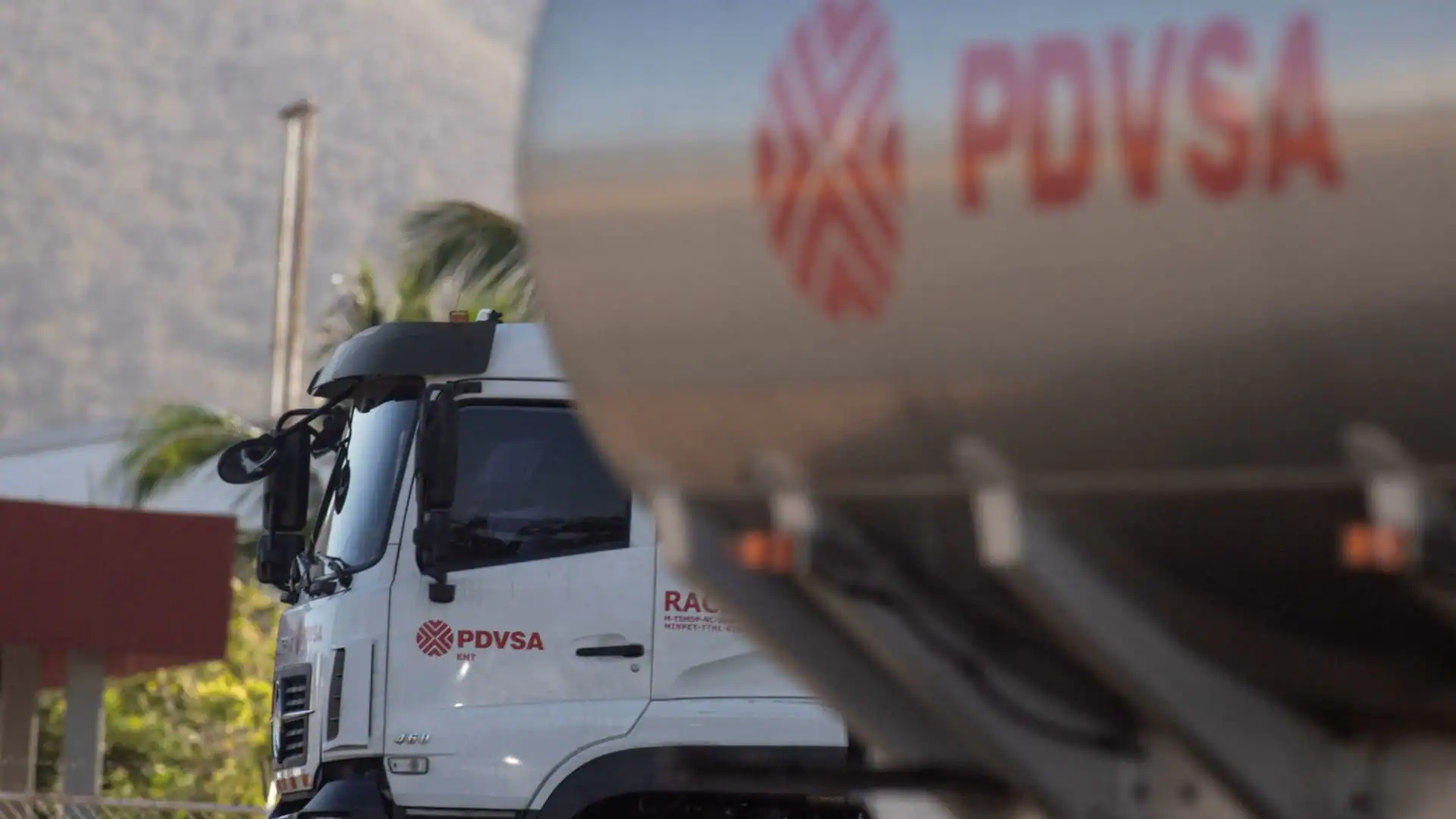
The investment will go into three joint ventures with PDVSA, the state oil company. Wirth said the cost per barrel will be less than US$20.
That 600,000 barrels would be roughly half of Venezuela’s current national output of about 1.25 million barrels a day.
Venezuela’s current oil output
Venezuela’s oil output is around 1.1 to 1.25 million barrels per day. Government figures are higher than independent estimates.
In March 2026, the government said production reached 1.1 million barrels daily, up from 942,000 in January.
OPEC data for May 2026 shows 1.179 million barrels per day, a seven-year high.
By late August, the interim government claimed output exceeded 1.23 million barrels. Independent data suggests a range of 1.1 to 1.2 million.
US firms take over some fields
Reuters reported on September 1 that NABEP is taking over oilfields. These were previously run by Chinese and Russian firms.
This arrangement displaces Chinese and Russian interests that have long played a major role in Venezuela’s energy sector.
There is no confirmed statement from Caracas that these firms will remain as PDVSA partners.
The deal shifts influence toward US interests, but it also brings new investment and technology.
US Energy Secretary on elections
US Energy Secretary Chris Wright said on September 6 that Venezuelan elections ‘are coming’ but gave no timeframe.
On CBS’s Face the Nation, he said secure voter rolls, rule of law, and release of political prisoners are needed first.
Wright told Al Jazeera on September 2 that Venezuelan output should hit 2 million barrels daily by decade’s end.
That projection is far above current levels and reflects optimism about the deal.
Who is Delcy Rodríguez
Delcy Rodríguez is Venezuela’s interim president. She took office on January 5, 2026, after Nicolás Maduro was seized by US special forces.
Before that, she served as vice president and was a close ally of Maduro. Her government signed the oil deal with Washington.
What the US–Venezuela deal is
The deal is an agreement between Washington and Caracas. It lets US companies access Venezuelan oil fields.
In return, the US eases some sanctions. The deal covers 17 oilfields and eight greenfield blocks, with an initial target of 1.5 million barrels a day.
Why Chinese and Russian firms matter
Chinese and Russian companies have long operated in Venezuela‘s oil sector. They helped keep production going during sanctions.
Reuters reported on September 1 that a US firm, NABEP, is taking over some fields these companies ran. There is no confirmed statement that they stay as partners.
What each side says about the deal
Caracas says the deal preserves its ownership and sovereignty over oil. Al Jazeera quotes Rodríguez saying Venezuela keeps ownership while using foreign capital.
Washington sees the deal as a way to boost oil supply and ease tensions. No text of the agreement has been published.
What happens next
Chevron plans to invest $7 billion over five years. It aims to double its output to over 600,000 barrels a day by 2031.
The deal’s 25-year term faces legal challenges because the government’s legitimacy is disputed. Investors watch for more details.
The deal’s disputed legitimacy
The agreement’s 25-year term is written into a deal signed by a government whose legitimacy is disputed. Both Delcy Rodríguez and Nicolás Maduro claim the presidency.
Maduro was seized by US special forces, an operation Al Jazeera described as an abduction. Rodríguez was sworn in on January 5, 2026, after serving as acting president since the seizure.
No text of the agreement has been published. Legal challenges are likely because of the disputed leadership.
What the deal means for sanctions
The deal eases some US sanctions on Venezuela’s oil industry. Sanctions had severely limited exports and investment.
This agreement aims to revive the industry with foreign capital and technology. The 25-year term is written into a deal signed by a government whose legitimacy is disputed.
That creates both opportunity and risk for investors.
Who is Delcy Rodríguez
Delcy Rodríguez is Venezuela’s interim president. She took office on January 5, 2026, after Nicolás Maduro was seized by US special forces.
Before that, she served as vice president and was a close ally of Maduro. Her government signed the oil deal with Washington.
What the US–Venezuela deal is
The deal is an agreement between Washington and Caracas. It lets US companies access Venezuelan oil fields.
In return, the US eases some sanctions. The deal covers 17 oilfields and eight greenfield blocks, with an initial target of 1.5 million barrels a day.
Why Chinese and Russian firms matter
Chinese and Russian companies have long operated in Venezuela’s oil sector. They helped keep production going during sanctions.
Reuters reported on September 1 that a US firm, NABEP, is taking over some fields these companies ran. There is no confirmed statement that they stay as partners.
What the deal means for sanctions
The deal eases some US sanctions on Venezuela’s oil industry. Sanctions had severely limited exports and investment.
This agreement aims to revive the industry with foreign capital and technology.
The 25-year term is written into a deal signed by a government whose legitimacy is disputed. That creates both opportunity and risk for investors.
More: Venezuela news in English, every day from The Rio Times.
Frequently Asked Questions
Who is Delcy Rodríguez?
She is Venezuela’s interim president, sworn in on January 5, 2026. She took over after Nicolás Maduro was seized by US special forces.
What is the US–Venezuela oil deal?
It is an agreement that gives US companies access to Venezuelan oil fields. In return, Washington eases some sanctions.
Will Chinese and Russian firms stay in Venezuela?
Some are being displaced by US companies. There is no confirmed statement that they will remain as PDVSA partners.
How much oil does Venezuela produce?
Current output is around 1.1 to 1.25 million barrels per day. Government figures are higher than independent estimates.
Did a US official say elections are coming?
Yes, US Energy Secretary Chris Wright said on September 6 that elections ‘are coming’ but gave no timeframe.
This article was produced by The Rio Times’ automated newsroom system. How we use AI · Report an error · Editorial responsibility: Matthias Camenzind, Editor-in-Chief