BP, XRG Sign Venezuela Loran Gas Deal as Thaw Builds
Venezuela · Energy
Key Facts
- On Thursday 13 August 2026, BP was awarded a licence in Caracas to develop the second phase of Venezuela’s offshore Loran gas field, partnering with the UAE’s XRG and Qatar’s UCC.
- The three companies take equal one-third stakes in a licence holding more than 4 trillion cubic feet of recoverable gas.
- Loran sits on the sea border with Trinidad and Tobago, where it joins Shell’s Manatee field; together the two hold several trillion cubic feet more.
- A separate, US-backed plan signed the same day aims to add about 160 megawatts of electricity within 90 days by reviving the stalled Tocoma hydro plant.
- The government points to a CEPAL (UN) forecast of about 6.5% growth for 2026; the central bank has not published its own 2026 figures.
- The gap between the official and street dollar rates has narrowed to roughly 12–15%, a low for the year — but only after heavy state spending to prop it up.
Big oil names are back at the table in Caracas, and the lights may soon get a little brighter. Here is what the new energy deals really say — and why a careful thaw with Washington is the story underneath them.
The Venezuela Loran gas deal signed this week is the clearest sign yet that the ice between Caracas and the wider world is starting to melt. On Thursday, oil giant BP was handed a licence to develop the second phase of the offshore Loran gas field, teaming up with two Gulf partners: XRG from the United Arab Emirates and UCC from Qatar. It is a modest agreement on paper. But after years of sanctions and isolation, seeing these names sign anything in Caracas at all is remarkable.
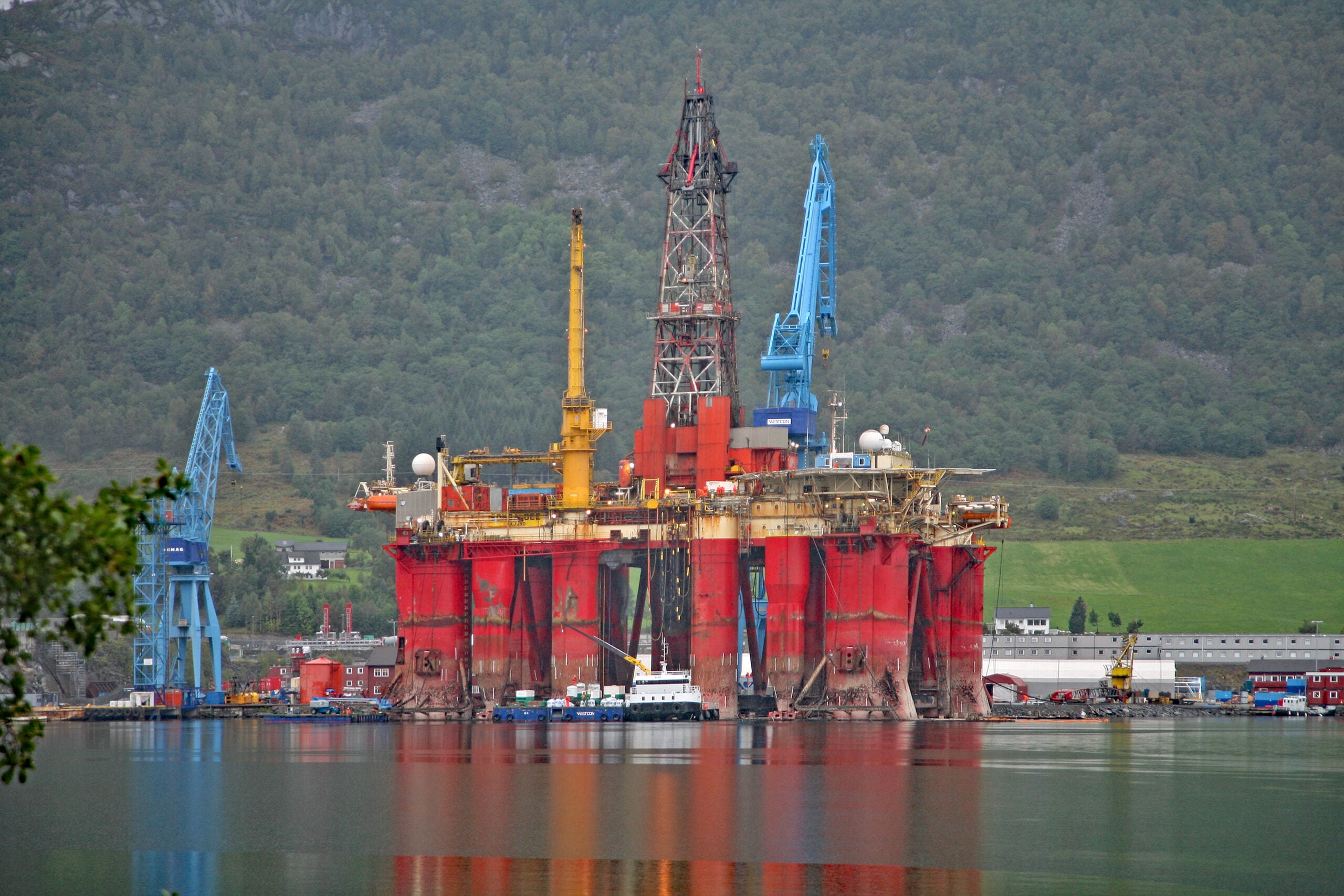
What the Venezuela Loran gas deal actually covers
Let us start with the plain version. A gas field is not switched on all at once. Companies develop it in stages, called phases. Phase 1 gets the first gas flowing; Phase 2 expands the work to pull out more. This week’s licence covers Phase 2 of a field called Loran, which sits under the sea off Venezuela’s coast and holds more than 4 trillion cubic feet of recoverable gas — a very large amount, enough to matter for a whole region’s energy supply for years.
Here is the interesting part. Loran does not stop neatly at Venezuela’s border. It runs across the sea boundary into the waters of Trinidad and Tobago, where the same body of gas is known as the Manatee field and is being developed by Shell. Fields that straddle a border like this are called cross-border, or shared, fields, and they usually need the two countries to cooperate. Together, Loran and Manatee hold roughly 10 trillion cubic feet. That shared plumbing is exactly why the deal is attractive: pipelines and plants already exist nearby, so the gas has somewhere to go.
Who is XRG — and who is UCC?
The two partner names are unfamiliar to most readers, so here is who they are. XRG is the international investment arm of ADNOC, the giant state oil company of Abu Dhabi in the United Arab Emirates. It is building a network of gas and liquefied-gas projects around the world, and this is its first step into Venezuela. UCC is the oil-and-gas unit of UCC Holding, a large conglomerate from Qatar. BP, XRG and UCC will each hold an equal one-third share.
Two cautions are worth keeping in mind. First, the companies themselves say the deal still needs regulatory approvals, government consent, and — crucially — compliance with international sanctions rules. Nothing is guaranteed until those boxes are ticked. Second, this builds on a memorandum BP signed with Venezuela back in April 2026 on a separate offshore area, so the trend is real even if any single project could still slip.
Lights back on: a US-backed power plan
On the very same day, a different kind of deal was signed at the Miraflores presidential palace. Venezuela’s government and the Argentine engineering firm IMPSA agreed to revive the Tocoma hydroelectric plant in Bolívar state, a dam that has sat unfinished since 2014 at close to 87% complete. The first stage aims to add about 160 megawatts to the grid within 90 days — enough to ease the blackouts that many Venezuelans still live with.
What makes this notable is who is standing behind it. The US State and Energy Departments have endorsed the project, which the US Embassy in Caracas describes as part of a three-part plan built around stabilising the country, helping the economy recover, and moving toward a democratic transition. IMPSA, once Argentine-owned, was privatised in 2025 to a US-based fund. Over the longer run the partners talk about hundreds more megawatts, though their own timelines stretch out to well over a year, so 90 days buys only the first slice.
Growth claims and a narrowing dollar gap
You may have seen the headline that Venezuela’s economy is growing about 6.5%. Treat that number with care. It is a forecast from CEPAL, the United Nations economic commission for the region, which the government has been happy to quote. It is not a measured result, and Venezuela’s central bank has not published its own 2026 growth figures. Independent forecasters land all over the place — some near 6%, others as low as 2% or as high as 9% — so the honest answer is that nobody knows the real number yet.
One thing has clearly moved, though: the exchange-rate gap. Venezuela has two dollar prices — an official rate set by the central bank, and a parallel or “street” rate people actually pay. When those two drift far apart, it signals mistrust in the currency. That gap has narrowed to roughly 12–15%, its smallest of the year, down from about 40% earlier in 2026. The catch, analysts warn, is the price tag: the central bank has sold billions of dollars — on the order of US$2 billion a month — to hold the rate steady, and that firepower cannot last forever.
Why this matters if you live in or invest in Latin America
If you live in the region, do business here, or hold investments tied to it, this is worth watching closely. A steadier Venezuelan currency and more electricity mean a calmer neighbour, fewer people forced to leave, and a little less pressure on Colombia, Brazil and the Caribbean islands that have absorbed millions of Venezuelan migrants. More gas flowing across the Loran–Manatee border could firm up energy supply for Trinidad and, in time, for markets far beyond. And every fresh deal with a Western or Gulf company is a small vote of confidence that the thaw with Washington — sanctions eased, an embassy discussed, big names returning — might hold. That thaw followed a dramatic break: a US operation removed Nicolás Maduro in January 2026, Vice President Delcy Rodríguez became acting president, and Washington then eased some sanctions. None of it is a sure thing. But after years of one-way bad news, the direction of travel has changed, and that alone is worth paying attention to.
More: Venezuela news in English, every day from The Rio Times.
Frequently Asked Questions
What is the Loran gas field?
Loran is a large offshore natural-gas field in Venezuelan waters holding more than 4 trillion cubic feet of recoverable gas. It sits on the sea border with Trinidad and Tobago, where it joins Shell’s Manatee field; together they hold about 10 trillion cubic feet.
Who signed the Loran Phase 2 deal?
BP was awarded the licence and will develop it with two partners: XRG, the international arm of Abu Dhabi’s state oil company ADNOC, and UCC, the oil-and-gas unit of Qatar’s UCC Holding. Each holds an equal one-third stake, subject to approvals and sanctions rules.
Is Venezuela’s economy really growing 6.5%?
That figure is a 2026 forecast from CEPAL, the UN’s regional economic commission, which the government has cited. It is not confirmed data — the central bank has not published its own 2026 growth numbers, and independent estimates range widely.
What does the narrowing exchange-rate gap mean?
Venezuela has an official dollar rate and a parallel “street” rate. The gap between them has shrunk to roughly 12–15%, a low for the year, suggesting more confidence in the currency — but the central bank has spent heavily to achieve it, which analysts say is costly to sustain.
Sources: OE Digital; World Oil; Zawya; EnergyNow; Infobae; El Diario; Venezuelanalysis; La Patilla; Banca y Negocios; RNV; The Rio Times; Al Jazeera. Company statements from BP and XRG; government claims attributed to Venezuelan authorities and CEPAL.
This article was produced by The Rio Times’ automated newsroom system. How we use AI · Report an error
In depth
Read More from The Rio Times