USA & Canada Intelligence Brief — Monday, October 19, 2026
Executive Summary
USA & Canada Intelligence Brief for October 19: Alberta votes on separation process, Canada awaits inflation data, and Washington signals trade ambiguity.
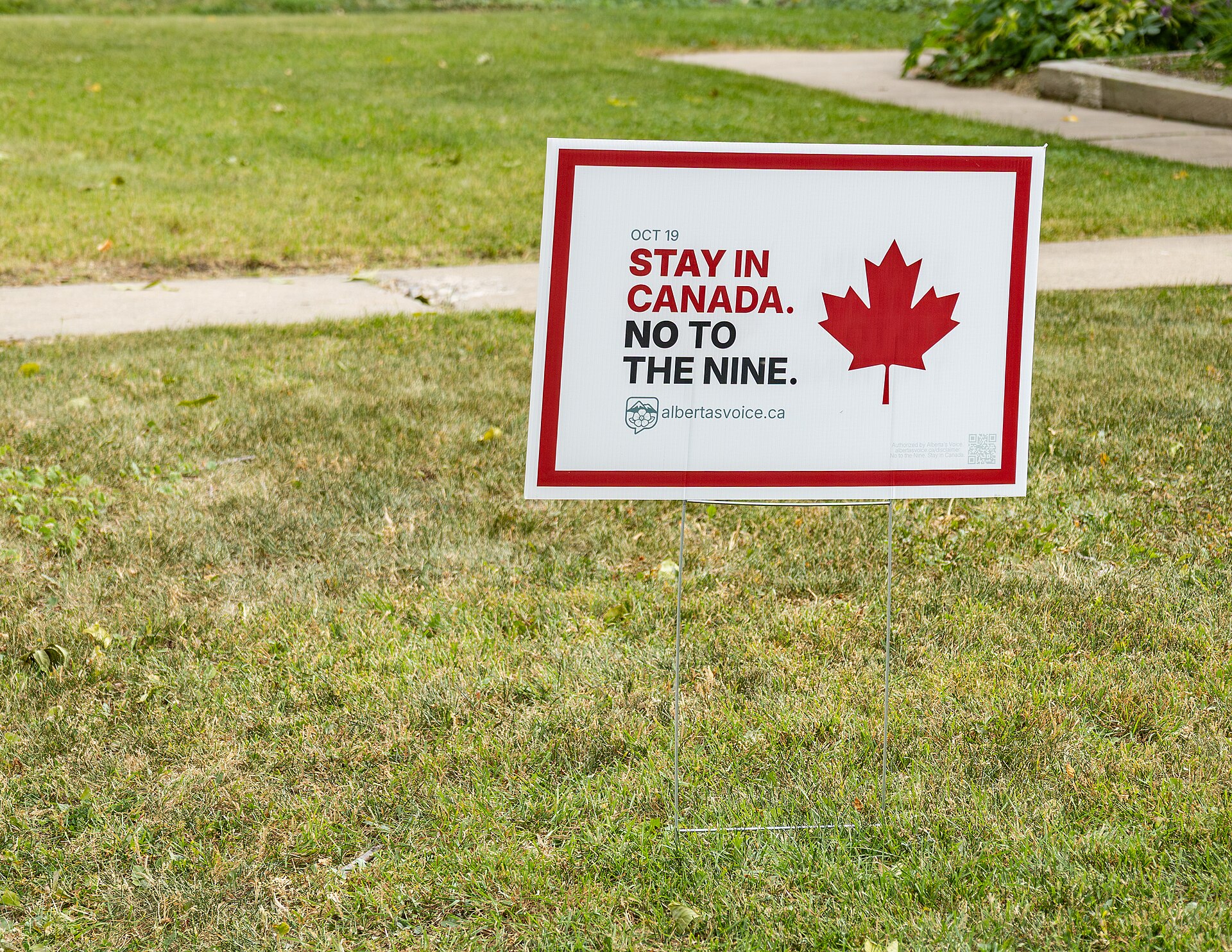
North America’s temper on Monday is a mixture of constitutional suspense in Canada and strategic ambiguity in Washington, with both capitals waiting on signals they do not control. Alberta votes on whether to begin a process toward a binding separation referendum, while Statistics Canada prepares to release September inflation figures that could harden the Bank of Canada’s hawkish turn. The emotional centre is Alberta, where Prime Minister Mark Carney has warned against “stumbling into” a Brexit-like process, according to Politico published on 19 October 2026.
The register is defensive and watchful, with Canadian leaders speaking of unity, inflation and energy prices in the same breath and American officials offering reassurance without detail. President Donald Trump said Washington and Ottawa would ultimately reach a trade agreement despite disagreements over trading conditions and reciprocal tariffs, as reported by TKS on 19 October 2026. The language on both sides of the border turns economic uncertainty into a test of political patience.
The through-line is that dependence and grievance are becoming politically intolerable at the same moment that inflation and energy costs are squeezing households. Alberta’s sovereignty campaign, Ottawa’s inflation anxiety and Washington’s trade ambiguity all reflect a region where leaders are promising control over forces they cannot fully command. Beneath the drama, rare-disease funding and bank-fraud anger reveal publics demanding that institutions deliver tangible protection.
Key Facts
Alberta vote. Albertans vote Monday on whether to advance toward a binding separation referendum.
Inflation forecast. Economists expect September inflation of 3.2%, up from 3.0% in August.
Bank of Canada. Governor Tiff Macklem expects a significant upward revision to the quarterly inflation forecast.
Rare-disease funding. Health Minister Marjorie Michel confirmed C$500 million (approximately US$360 million) in annual funding.
Fed expectations. Market pricing implies an 83.9% probability of no Federal Reserve rate change in October.
Alberta: A Referendum On National Cohesion
The Alberta vote has become a contest over whether provincial grievance can be converted into a constitutional process, with Carney framing the question as a dangerous step toward irreversible division. Reports said that a “yes” vote would not itself make Alberta independent but could begin a process testing Carney’s ability to maintain national unity. The prime minister’s warning against a Brexit-like stumble signals that Ottawa views the referendum as a national survival test rather than a provincial consultation.
The emotional register in Alberta is defiance mixed with anxiety, as voters weigh the appeal of greater autonomy against the economic and political risks of separation. The vote coincides with trade friction between Canada and the United States and renewed concern about inflation and energy prices, which separatists can use to argue that Alberta’s interests are being sacrificed. For a US reader, the referendum matters because it shows how subnational grievance can destabilise a close ally and reshape North American political geography.
Ottawa: Inflation Anxiety Meets Rate Uncertainty
Statistics Canada is scheduled to release September inflation figures on Monday, with economists polled by Reuters expecting annual inflation of 3.2%, up from 3.0% in August, according to Medicine Hat News published on 19 October 2026. Governor Tiff Macklem said the Bank of Canada expected to raise its quarterly inflation forecast significantly because of persistently high crude-oil and petroleum-product prices, as reported by The Star on 18 October and updated on 19 October. The central bank’s 28 October rate decision now looms as a test of whether energy-driven price pressures force a policy response.
The mood in Ottawa is one of economic vigilance, with officials trying to reassure households while preparing for a potentially uncomfortable inflation print. Macklem reiterated that the Bank’s guiding objective was its 2% inflation target, but the expected upward revision suggests that target is under strain. For a US reader, the Canadian inflation story matters because it shows how energy prices are transmitting through a G7 economy and complicating central-bank communication.
Washington: Strategic Ambiguity On Trade And Rates
President Trump’s reported statement that Washington and Ottawa would ultimately reach a trade agreement despite disagreements over trading conditions and reciprocal tariffs, published by TKS on 19 October 2026, is a signal of strategic ambiguity rather than resolution. The absence of a primary-source transcript or tariff values leaves the practical terms unclear, but the message is that the dispute remains active and not necessarily terminal. For a US reader, the episode illustrates how trade policy has become an instrument of presidential signalling rather than a predictable legal regime.
Market commentary published on 19 October 2026 said expectations of an October Federal Reserve rate increase had weakened after Chair Kevin Warsh made no clear policy signal at an International Monetary Fund event, with the Federal Reserve’s target range at 3.75%–4.00% after the 16 September hike. Tradingpedia put the implied probability of no October change at 83.9%, up from 49% one month earlier, while another commentary source put the probability of a hike at approximately 16%. The Fed’s silence is itself a form of communication, leaving investors and foreign governments to interpret ambiguity as caution.
Toronto: Demanding Protection From Institutions
Federal Health Minister Marjorie Michel confirmed ongoing annual funding of C$500 million (approximately US$360 million) for the National Strategy for Drugs for Rare Diseases. The confirmation is an attempt to show that Ottawa can deliver tangible security to vulnerable households even amid constitutional and economic turbulence. For a US reader, the spending signals that Canada is using social policy to reinforce national cohesion at a moment of fragmentation.
CBC News reported on 19 October 2026 that victims of bank fraud were questioning why Canadian banks were not held more liable, though the available result did not provide substantive findings or monetary figures. The report reflects a broader public demand for institutional accountability, with citizens expecting banks and governments to protect them from financial harm. The mood in Toronto is therefore one of frustrated vigilance, as households navigate rising costs and question whether institutions are on their side.
What This Means From Latin America
Higher crude and petroleum-product prices are feeding directly into Canada’s inflation outlook, with possible implications for Latin American oil exporters and importers. The Star reported on 18–19 October 2026 that Macklem assessed energy prices as warranting a substantial upward revision to the Bank of Canada’s inflation forecast, which could influence Canadian demand for hemispheric energy supplies. Latin American producers may benefit from sustained price pressure, while importers face renewed cost risks.
Continuing US–Canada tariff disagreements could redirect North American sourcing and affect Latin American suppliers competing for access to US and Canadian markets. Trump’s reported statement that Washington and Ottawa would eventually reach an agreement, published by TKS on 19 October 2026, leaves the timing and terms uncertain. Changing expectations for the Federal Reserve and Bank of Canada can also affect capital flows, exchange rates and financing conditions across Latin America, as market commentary on 19 October 2026 showed a sharp fall in the implied probability of an October US rate increase.
What We Are Watching
- Monday 19 October, 8:30 a.m. ET: Canada inflation rate — September forecast at 3.2% against 3.0% in August; a key input for the Bank of Canada’s 28 October decision and a potential market mover on referendum day.
- Monday 19 October: Alberta separation referendum — the central political event of the week; the outcome will shape Canadian constitutional and economic stability for months.
- Monday 19 October: Bank of Canada consumer and business surveys — as reported by Medicine Hat News on 19 October; these will reveal how households and firms are absorbing inflation and rate uncertainty.
- Wednesday 21 October, 10:30 a.m. ET: EIA crude oil stocks change — previous value -8.557 million barrels; a signal of US energy demand and a factor in Canadian inflation and hemispheric oil markets.
- Wednesday 28 October: Bank of Canada policy decision — updated inflation and growth projections will accompany the rate announcement; a test of Macklem’s commitment to the 2% target.
- Tuesday–Wednesday, 27–28 October: Federal Reserve meeting — market pricing implies an 83.9% probability of no change; the decision will shape capital flows and financing conditions across the Americas.
Background: USMCA 2026 Trade Pact Guide.
Background: Oil and Energy in Latin America 2026: A Guide.
Frequently Asked Questions
What is the Alberta referendum about?
The referendum asks Albertans whether the province should proceed toward a binding vote on separation from Canada. A “yes” vote would not itself make Alberta independent but could begin a process testing Prime Minister Mark Carney’s ability to maintain national unity.
What inflation figure is Canada expected to report?
Economists polled by Reuters expected annual inflation of 3.2% for September, up from 3.0% in August, according to Medicine Hat News published on 19 October 2026. The official Statistics Canada release was scheduled for Monday, 19 October 2026.
Why is the Bank of Canada concerned about energy prices?
Governor Tiff Macklem said the Bank expected to raise its quarterly inflation forecast significantly because of persistently high crude-oil and petroleum-product prices. The revised projections would inform the Bank’s 28 October 2026 rate decision, with the 2% inflation target as the guiding objective.
What did President Trump say about US–Canada trade?
President Donald Trump said Washington and Ottawa would ultimately reach a trade agreement despite disagreements over trading conditions and reciprocal tariffs, as reported by TKS on 19 October 2026. The available result did not provide a primary-source transcript or the value of the tariffs.
This article was produced by The Rio Times’ automated newsroom system. How we use AI · Report an error · Editorial responsibility: Matthias Camenzind, Editor-in-Chief