Why Spending US Dollars in Costa Rica Is Harder Than It Looks
Costa Rica · MONEY
Key Facts
- —What happened Paying with US cash in Costa Rica is legal almost everywhere, but shops set their own colon exchange rate.
- —How big a jump The central bank’s rate was 447-452 colones per dollar on 13 Aug 2026; 500 means about 10% less.
- —The real story The colon’s gain is a silent pay cut for anyone earning dollars and living in Costa Rica.
- —The catch A large note for a small purchase converts badly at the seller’s rate (US$…).
- —Who it touches Damaged US notes are refused, and worn hundreds are most likely rejected.
- —What comes next Pay in colones, decline dollar billing at terminals, use bank ATMs, check central bank rate before cash.
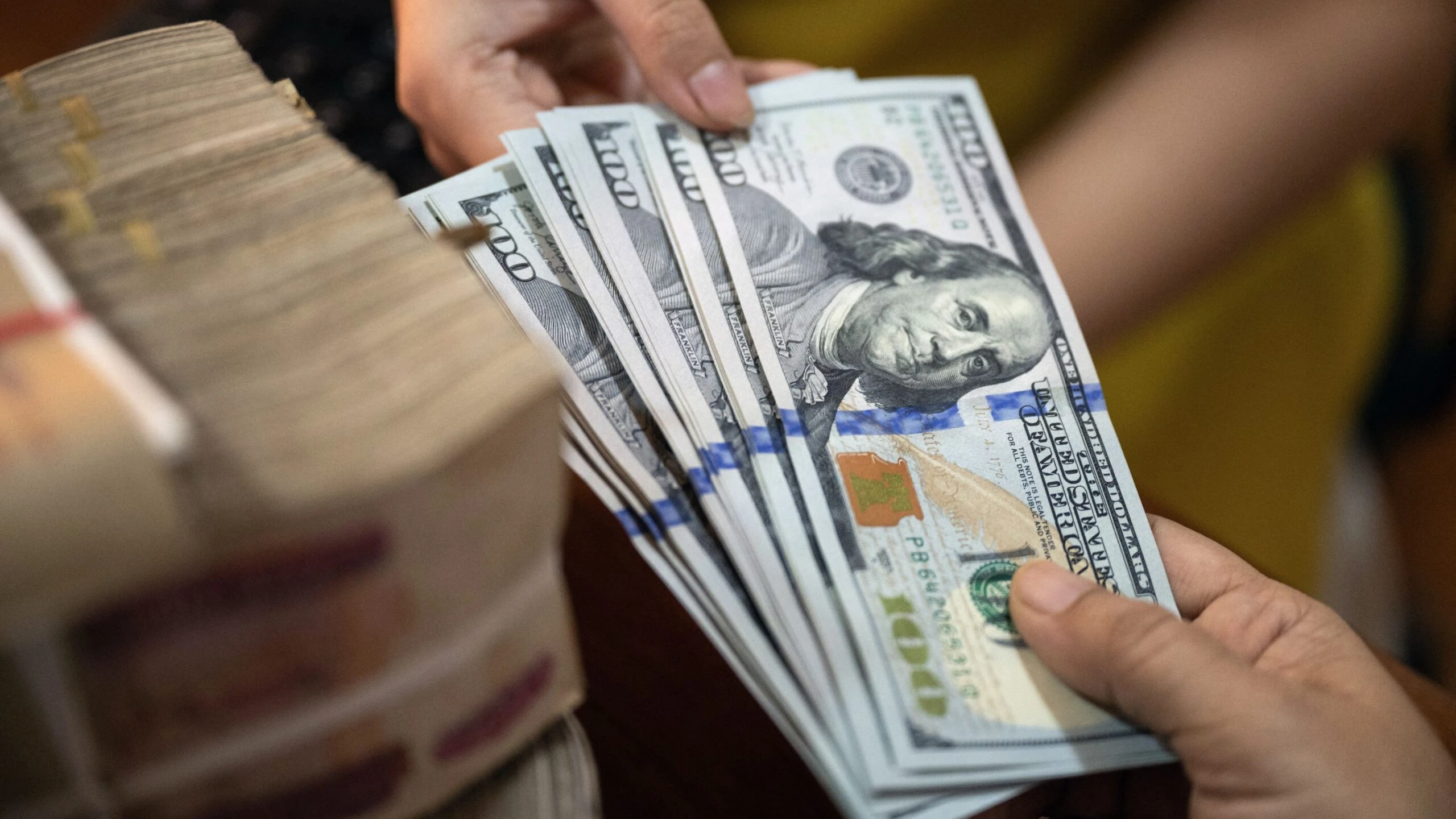
Everyone takes your dollars. That is the problem. Between a strong colon and shop rates, paying in cash dollars is the expensive way to buy anything.
Spending US dollars in Costa Rica is easy, which is exactly why it catches people out. Almost everyone accepts them, and almost nobody gives you a fair rate on the colon, the local currency.
The problem is that dollars work
In most countries the question answers itself, because foreign cash is simply refused. Costa Rica is not like that.
Hotels, tour operators, taxis, supermarkets and many restaurants take dollars without blinking. That convenience is the trap.
Every time a business accepts your dollars it acts as a currency exchange. It sets the rate, and it sets it in its own favour.
You will not see a fee. You will see a price that looks reasonable and a rate that quietly is not.
What the colon is actually worth
The Banco Central de Costa Rica, the country’s central bank, publishes a reference rate. On 13 August 2026 it was around 447 colones buying and 452 selling to the dollar.
Commercial banks in the same week quoted buying rates near 444 to 446 and selling rates near 456 to 459. Across the market the range ran roughly 440 to 461.
That spread is the number to hold in your head. A shop rate of 500 colones to the dollar is not an exchange rate, it is a discount on your money.
Check the central bank figure before a large cash payment. It takes seconds, and it is the only neutral number in the transaction.
Why the colon got strong
Spending US dollars in Costa Rica used to go further. For most of the past two decades a dollar bought well over 500 colones.
It now buys around 450. For anyone earning in dollars and living in Costa Rica, that is a large, silent pay cut.
The strong colon has become a live political argument, because it also squeezes exporters and the tourism trade.
For a retiree on a US pension, the sums are simple. The same cheque buys noticeably less in San José than it did in 2023.
The change problem
Paying with dollars almost always means getting colones back. That is normal, and it is not a scam.
But the change is worked out at the seller’s rate. So a small purchase paid with a large note converts most of that note badly.
The practical rule is to break your dollars once, on purpose, rather than again and again by accident.
Change a set amount at a bank, or withdraw colones from a machine, and then spend colones.
The condition of your notes matters
Spending US dollars in Costa Rica also depends on the notes themselves. Banks and businesses refuse ones that are torn, taped, marked or visibly old.
The habit is consistent enough to plan around. Bring clean, recent, undamaged notes if you bring cash at all.
Large denominations attract more scrutiny than small ones. A worn hundred is the note most likely to be handed back.
What to do instead
The alternative is simple. Use a card, let it charge you in colones, and decline any offer to bill you in dollars.
That offer is dynamic currency conversion, where the payment processor sets the rate instead of your bank. It is almost always worse.
Withdraw colones from a bank ATM rather than a standalone machine in a tourist area. Bank machines carry lower fees.
Keep a small dollar reserve for places that genuinely prefer it, such as remote lodges and some boat operators.
Opening a bank account is a separate battle
Non-residents often find it hard to open a Costa Rican bank account. Requirements vary from bank to bank, and they change.
Residency status makes the whole thing dramatically easier. State banks and private banks also apply different thresholds.
So ask the branch you intend to use before you assume anything. The answer differs by bank, and sometimes by clerk.
The short version
Costa Rica takes your dollars out of convenience, but it runs on colones. That gap is where your money goes.
Pay in colones wherever a card is accepted, and withdraw from bank machines. Refuse dollar billing at the terminal.
Keep clean notes for the handful of places that want cash dollars.
And check the central bank rate before any large cash payment, because nobody else in the transaction will.
More: Costa Rica news in English, every day from The Rio Times.
Can I use US dollars in Costa Rica?
Yes, almost everywhere. But the business sets its own exchange rate and gives change in colones, so paying in dollars usually costs you money.
What is the colon worth?
The Banco Central de Costa Rica reference rate was about 447 buying and 452 selling to the dollar on 13 August 2026. Commercial bank rates ranged from roughly 440 to 461 that week.
Are damaged dollar notes refused?
Frequently, yes. Torn, taped, marked or old notes are often handed back, and large denominations get the most scrutiny. Bring clean, recent notes.
Should I let a card terminal charge me in dollars?
No. That is dynamic currency conversion and the rate is set by the processor rather than your bank. Choose colones.
Sources
This article was produced by The Rio Times’ automated newsroom system. How we use AI · Report an error · Editorial responsibility: Matthias Camenzind, Editor-in-Chief