US Customs Bar on Brazilian Goods Exposes Continuing Slave Labor
SÃO PAULO, BRAZIL – At the end of September, the U.S. Customs and Border Protection (CBP) issued Withhold Release Orders (WROs) for products from foreign countries, which it suspects were produced with forced labor. Among those listed was Brazilian company, Bonechar Carvão Ativado do Brasil. The announcement once again highlighted Brazil’s fight against forced labor.

“(The) CBP is firmly committed to identifying and preventing products made with the use of forced labor from entering the stream of U.S. Commerce,” said Brenda Smith, Executive Assistant Commissioner, CBP Office of Trade in the announcement of the products which would be banned until the respective companies were able to show that they did not employ forced labor to produce their goods.
According to acting CBP Commissioner Mark Morgan “if we suspect a product is made using forced labor, we’ll take that product off U.S. shelves”.
Brazil’s charcoal manufacturer, Bonechar claimed that the accusations which led to the CBP decision came from a competitor’s ‘smear campaign’. The owner told Associated Press that U.S. Customs blocked the shipment based on “false allegations that have been investigated and dismissed by Brazilian authorities”.
Although Bonechar’s claims are strengthen by the fact that days after the US’s prohibition, Brazil’s Public Attorney’s Office dismissed the investigation of alleged slave labor, the practice of forced labor is not uncommon in Brazil.
In 2018, 1,723 workers were found to be living in slave-like conditions at their workplace by Brazilian government inspection officials. Of those, 1,113 were rescued by the inspection teams and employers were forced to pay R$3.4 million in back pay and severance pay. Government data also shows that 87 percent of the rescued workers were men while 13 percent were women.
Data collected by the Observatório Digital do Trabalho Escravo no Brasil (Digital Observatory of Slave Labor in Brazil) reveals that between 2003 and 2017 government officials and non-governmental agencies rescued more than 35,000 people from forced labor situations.
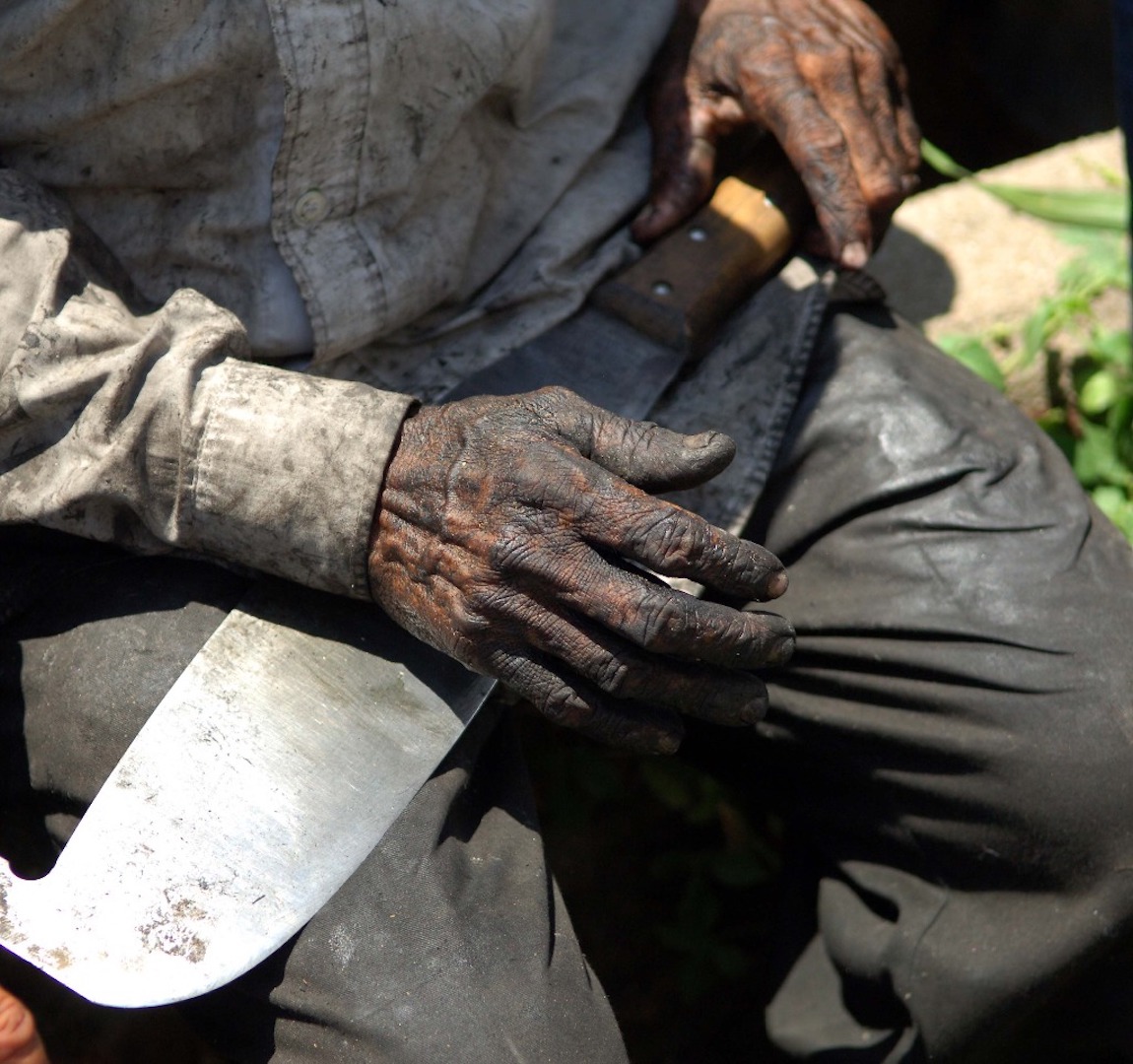
In Brazil, most forced labor situations are found in rural areas where there is mining or labor-intensive industries such as coffee production, forestry, grain production and charcoal production. There is also great demand for cheap labor in clearing a vast area of land in the center-west and northern part of the country.
In the Amazon region, forced labor is closely linked to illegal logging and clearing of land for pasture.
According to the Catholic Church’s Land Pastoral (CPT) rural workers succumb to forced labor due to a combination of limited educational opportunities, informal working conditions and unethical recruitment practices. In a study, the CPT found that of the nearly 35,000 released from forced labor in Brazil between 2003 and 2017, approximately 71 percent were either illiterate or had no more than four years of schooling.
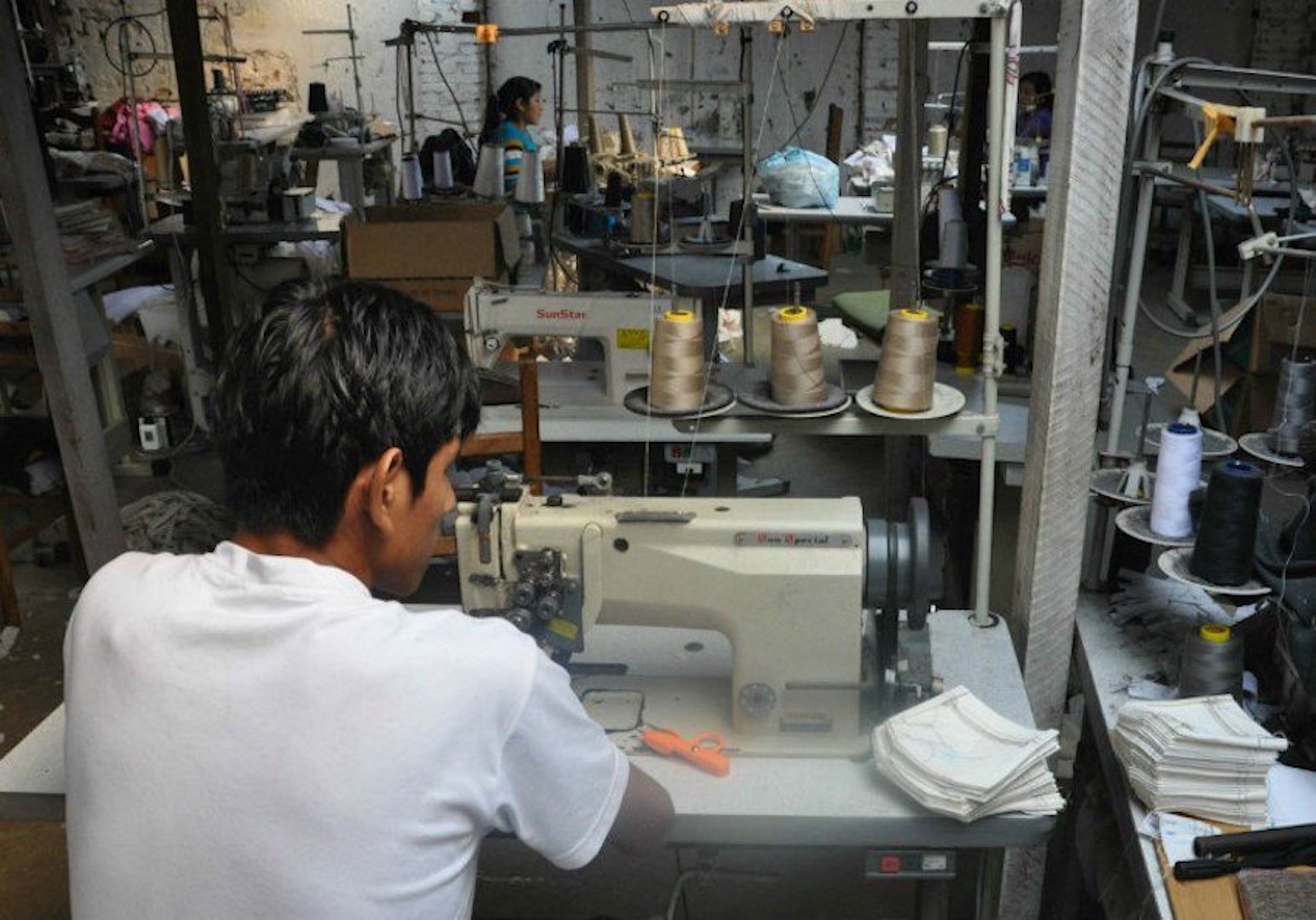
And while most of the forced labor is still found in the rural areas of Brazil, the rapid urbanization of cities has led to an increase of the so-called modern slavery, especially in the textile and construction segments. In Brazil’s largest city, São Paulo, there have been frequent reports of undocumented migrants and foreign immigrants being exploited to produce garments that are often incorporated into the supply chains of multinational clothing companies.
Illegal immigrants, often from Brazil’s Spanish-speaking neighbors, are often pulled into forced labor, due to a lack of support system and social networks.
In 2003 Brazil’s federal government started to publish a ‘dirty list’ of those companies which made use of forced labor or which profited from goods produced by slave labor. The list became one of main instruments to combat slave labor in Brazil and a model to be followed by other countries in dealing with the problem.
Although a name on the list does not generate any kind of legal punishment or sanction for the companies included, disclosure of the document has important preventive moral effects, especially in a world market context that is increasingly aware of conscious consumption.
On October 7th Brazil’s federal government announced the update of the dirty list. The publication currently has 190 names, including a coffee bean distributor that sold its products to Starbucks and Nespresso chains and a very well-known high-class clothing line.
The companies that are in the current “dirty list” register were investigated for approximately four years before being included. Before entering the register, employers have the right to defend themselves in the Ministry of Economy.
If they make a deal with the government, the name is put on a “watch list” and can be withdrawn after a year if the commitments have been met. The register has been used for risk analysis by investors and public and private banks. In addition, there are Brazilian and international companies that avoid closing deals with these employers.
Last week, while participating in a symposium dealing with forced labor, founder of the non-governmental organization Reporter Brasil, Leonardo Sakamoto pointed out that, despite the difficulties, Brazil continues to be a world reference in the fight against slave labor. Its laws, said Sakamoto, inspired other decrees in California (USA), the United Kingdom, France and Australia.
“Fighting slave labor is not just a humanitarian and civilizational issue, considering that we have 40.3 million people in the world in contemporary slave labor who produce a profit of US$150 billion annually, making it one of the top three global crimes,” concluded the activist, who heads one of the leading human rights NGOs in the country.
In addition to the charcoal company in Brazil, the US’s CBP also ordered a halt to imports from companies in China and Malaysia, a company which mines gold in eastern Congo and companies which mine diamonds in a region in Zimbabwe.
More: Brazil news in English, every day from The Rio Times.
Editorial responsibility: Matthias Camenzind, Editor-in-Chief · Editorial standards · Report an error