U.S. Tariffs Threaten 146,000 Brazilian Jobs, Spark Economic Shake-Up
Brazil faces a sudden jobs crisis after the United States imposed steep 50% tariffs on most Brazilian exports.
This new trade barrier, effective August 2025, could wipe out up to 146,000 jobs across key sectors, according to a detailed study by the Federation of Industries of the State of Minas Gerais.
The United States, Brazil’s second-largest trading partner, now taxes beef, coffee, iron, steel, timber, footwear, fruit, and more at double their previous rates.
Although nearly 700 product exemptions soften the impact, about 36% of Brazil’s US-bound exports still face the penalty. Brazil exported a record $40.9 billion to the US in 2024, but now billions of dollars in trade stand at risk.
Workers in export-dependent sectors are already feeling the pain. In Espírito Santo, the country’s stone industry hub, more than 100 small firms stand nearly paralyzed as orders dry up. Shoe makers in São Paulo face immediate layoffs.
Timber firms have put thousands of employees on collective leave. Fruit producers in the São Francisco Valley, who support more than a million jobs, brace for losses as their export season arrives.
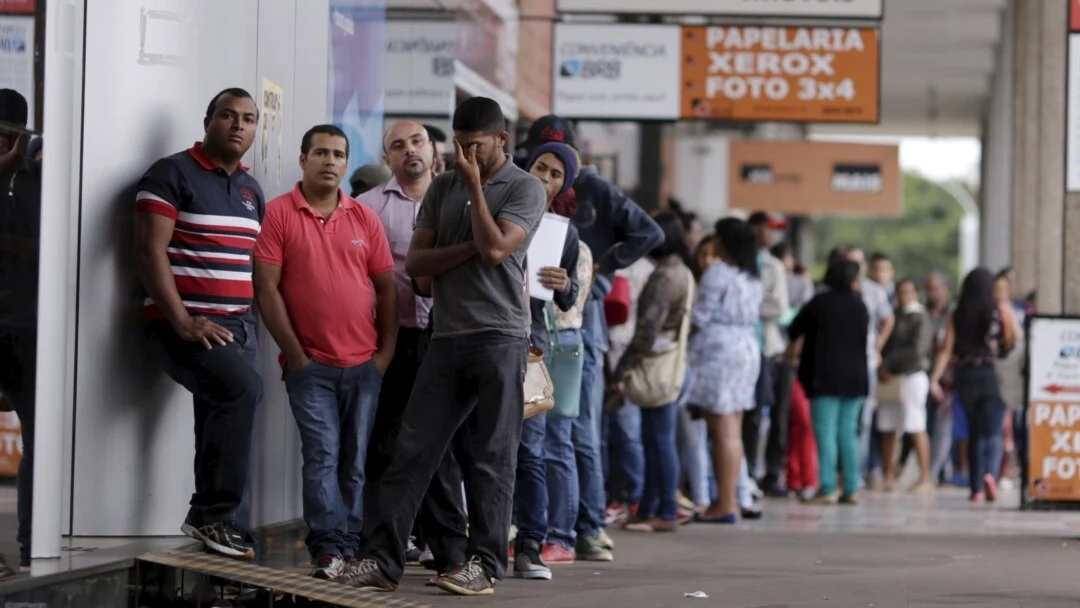
The beef industry estimates up to $1.5 billion in lost sales for 2025. Entire supply chains, from farmers to truckers, feel the shock. Small and medium firms struggle the most, with few options to quickly find new customers abroad or ramp up local sales.
US-Brazil Trade Tensions Rise Amid Political Strains
Many economists say the US move comes at a politically tense moment. Statements from both governments reveal that trade tension escalated after the US government criticized Brazil’s handling of a criminal trial involving ex-president Jair Bolsonaro, a close ally of Donald Trump.
Experts note that the United States actually runs a trade surplus with Brazil, exporting over $40 billion in goods to the country in 2024.
Despite some resilience in Brazil’s wider economy and government support measures, these tariffs will likely trim GDP growth and weaken job creation.
Policymakers quickly filed a complaint at the World Trade Organization and urge urgency in new talks to limit the fallout. For now, exporters scramble for alternatives in Europe and Asia, but shifting trade flows takes time.
More: Brazil news in English, every day from The Rio Times.
This article was drafted with automated assistance and reviewed before publication. How we use AI · Report an error · Editorial responsibility: Matthias Camenzind, Editor-in-Chief