IBOV 186,595.60 ▲ 0.74% IPSA 11,357.82 ▼ 0.21% IPC MEX 63,536.96 ▲ 0.25% MERVAL 2,998,956 ▼ 0.76% COLCAP 2,565.55 ▲ 0.68% BVL PERÚ 59,344.04 ▲ 0.31% USD/BRL5.11▲ 0.08% USD/MXN17.29▲ 0.38% USD/CLP946.95▼ 1.30% USD/COP3,195▲ 0.58% USD/PEN3.38▲ 0.03% USD/ARS1,514▼ 0.03% USD/UYU40.14▼ 0.05% USD/PYG5,926▲ 0.34% USD/BOB10.95▲ 10.05% USD/DOP59.26▲ 0.87% USD/CRC443.27▼ 0.27% USD/GTQ7.63▼ 0.05% USD/HNL26.86▲ 0.03% USD/NIO36.62▲ 2.80% USD/VES850.29▲ 0.21% USD/PAB1.00— 0.00% USD/BZD2.00— 0.00% USD/JMD 157.28 — 0.00% USD/TTD6.76▲ 0.17% EUR/BRL5.86▼ 0.59% BRENT 88.88 ▼ 0.03% WTI 83.11 ▼ 0.11% IRON ORE 161.91 — — COPPER 6.61 ▲ 0.03% GOLD 4,461 ▲ 1.78% SILVER 65.59 ▲ 1.26% SOY 1,184 ▲ 3.20% CORN 480.50 ▲ 10.02% WHEAT 655.00 ▲ 3.93% COFFEE 317.25 ▼ 5.51% SUGAR 16.43 ▼ 1.79% ORANGE JUICE 138.55 ▼ 0.47% COTTON 85.03 ▲ 2.33% COCOA 5,719 ▲ 3.18% BEEF 223.60 ▼ 3.93% CATTLE 339.10 ▼ 3.16% LITHIUM 75.20 ▲ 1.47% PETR4 41.64 ▼ 0.05% VALE3 72.97 ▲ 0.83% ITUB4 38.60 ▼ 1.03% BBDC4 16.85 ▲ 0.36% ABEV3 14.89 ▼ 0.80% BBAS3 19.37 ▲ 0.47% B3SA3 14.26 ▼ 0.21% WEGE3 47.59 ▲ 0.49% PRIO3 59.14 ▼ 0.19% SUZB3 41.33 ▲ 2.35% RENT3 34.68 ▼ 0.09% AZZA3 15.89 ▼ 2.63% CSAN3 3.22 ▼ 1.83% RAIZ4 0.25 — 0.00% PCAR3 2.75 ▼ 0.36% GMAT3 3.65 ▼ 1.08% PSSA3 48.13 ▼ 0.54% CVCB3 1.33 ▼ 2.92% POSI3 3.36 ▲ 2.44% SLCE3 13.34 ▲ 0.30% NATU3 8.14 ▼ 0.73% IBOV 186,595.60 ▲ 0.74% IPSA 11,357.82 ▼ 0.21% IPC MEX 63,536.96 ▲ 0.25% MERVAL 2,998,956 ▼ 0.76% COLCAP 2,565.55 ▲ 0.68% BVL PERÚ 59,344.04 ▲ 0.31% USD/BRL 5.16 ▲ 0.01% USD/MXN 17.06 ▼ 0.24% USD/CLP 913.98 ▲ 0.04% USD/COP 3,140 ▲ 0.03% USD/PEN 3.36 ▼ 0.66% USD/ARS 1,493 ▲ 0.10% USD/UYU 40.27 ▲ 1.24% USD/PYG 5,939 ▲ 1.68% USD/BOB 11.64 ▼ 0.76% USD/DOP 58.34 ▲ 1.25% USD/CRC 445.92 ▲ 0.89% USD/GTQ 7.62 ▲ 2.21% USD/HNL 26.79 ▲ 1.57% USD/NIO 36.62 ▲ 0.69% USD/VES 762.44 ▼ 0.13% USD/PAB 1.00 — 0.00% USD/BZD 2.00 — 0.00% USD/JMD 157.28 — 0.00% USD/TTD 6.70 ▲ 0.61% EUR/BRL 5.95 ▲ 1.01% BRENT 88.88 ▼ 0.03% WTI 83.11 ▼ 0.11% IRON ORE 161.91 — — COPPER 6.61 ▲ 0.03% GOLD 4,461 ▲ 1.78% SILVER 65.59 ▲ 1.26% SOY 1,184 ▲ 3.20% CORN 480.50 ▲ 10.02% WHEAT 655.00 ▲ 3.93% COFFEE 317.25 ▼ 5.51% SUGAR 16.43 ▼ 1.79% ORANGE JUICE 138.55 ▼ 0.47% COTTON 85.03 ▲ 2.33% COCOA 5,719 ▲ 3.18% BEEF 223.60 ▼ 3.93% CATTLE 339.10 ▼ 3.16% LITHIUM 75.20 ▲ 1.47% PETR4 41.64 ▼ 0.05% VALE3 72.97 ▲ 0.83% ITUB4 38.60 ▼ 1.03% BBDC4 16.85 ▲ 0.36% ABEV3 14.89 ▼ 0.80% BBAS3 19.37 ▲ 0.47% B3SA3 14.26 ▼ 0.21% WEGE3 47.59 ▲ 0.49% PRIO3 59.14 ▼ 0.19% SUZB3 41.33 ▲ 2.35% RENT3 34.68 ▼ 0.09% AZZA3 15.89 ▼ 2.63% CSAN3 3.22 ▼ 1.83% RAIZ4 0.25 — 0.00% PCAR3 2.75 ▼ 0.36% GMAT3 3.65 ▼ 1.08% PSSA3 48.13 ▼ 0.54% CVCB3 1.33 ▼ 2.92% POSI3 3.36 ▲ 2.44% SLCE3 13.34 ▲ 0.30% NATU3 8.14 ▼ 0.73%
since 2009
Tuesday, September 22, 2026

Latin America Colombia

U.S. Remittance Tax Exposes Colombia’s Economic Vulnerability Amid China Pivot

By · May 22, 2025 · 2 min read

The LatAm Brief

One email, every weekday morning. What moved in Latin American markets, politics and expat life.

Yesterday’s subject line: “68 strikes, 223 people. A UN expert says murder.”

Free. We send a confirmation link first — nothing arrives until you click it. Unsubscribe with one click in any edition. If you stop opening us for 30 days we stop sending by ourselves, as we assume the interest is no longer there. See our privacy policy. We never share your email.

Colombia’s growing dependence on remittances from the United States faces a serious threat as President Gustavo Petro embraces China’s Belt and Road Initiative.

This diplomatic gamble comes at a precarious time when the Trump administration has proposed a 5% tax on remittances sent by non-U.S. citizens. Remittances to Colombia have reached unprecedented levels, becoming a crucial pillar of the national economy.

In 2024, these transfers hit a historic maximum of 2.8% of GDP, up from just 1.1% a decade ago. The Banco de la República reports that remittances now serve as Colombia’s second-largest source of dollar income, trailing only oil exports.

The first quarter of 2025 saw $3.13 billion enter Colombia through remittances, with March alone bringing $1.089 billion. This marks ten consecutive months with monthly remittances exceeding $1 billion.

Analysts project total remittances will reach between $12.5 billion and $13 billion by year’s end. These funds directly support approximately 2.1 million Colombians, up from 1.3 million in 2019.
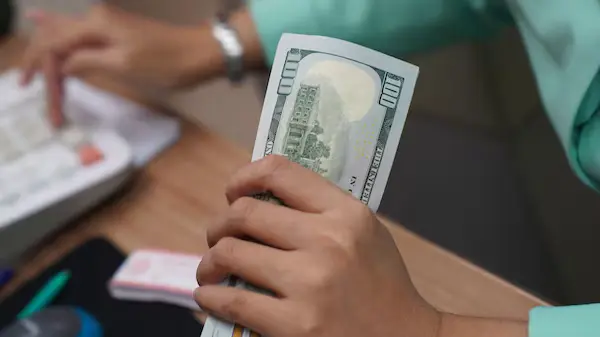
U.S. Remittance Tax Exposes Colombia's Economic Vulnerability Amid China Pivot
U.S. Remittance Tax Exposes Colombia’s Economic Vulnerability Amid China Pivot.
One-stop reference
Company Intelligence
Every listed company in Latin America — financials, ownership and structure for 1,450+ companies across 26 exchanges, in one place.
Browse the directory →
RT
Ask Rio Times
17 years of Latin America reporting, on demand.
Open the full Ask Rio Times →

Most recipients use this money for immediate consumption rather than savings, making any reduction particularly painful for vulnerable households. Against this backdrop, Colombia formally joined China‘s Belt and Road Initiative on May 14, 2025.

Colombia’s Pivot Toward China Signals Bold Foreign Policy Shift

President Petro called it “the most daring move in decades” for Colombian foreign policy. The decision aims to address Colombia’s $14 billion trade deficit with China and diversify away from U.S. economic influence.

This pivot comes despite warnings from U.S. officials that American businesses might seek Colombian products elsewhere in Latin America. The timing appears particularly risky as the Trump administration advances its “One, Big, Beautiful Bill,” which includes the 5% tax on remittances sent by non-citizens.

Economic analysts warn this tax could significantly impact recipient families. The proposed levy would come on top of the 5-10% fees already charged by money transfer services like Western Union and MoneyGram. For a typical $1,000 transfer, this means $50 less reaching Colombian families.

Meanwhile, neighboring Chile has maintained a more balanced approach to international relations. Chile now ranks as Latin America’s safest investment destination and leads the region in foreign direct investment relative to GDP at 6.9%, compared to Colombia’s 4.9%.

Chile’s strategy of maintaining strong U.S. ties while engaging pragmatically with China has paid dividends. The country posted a budget surplus last year for the first time in a decade and has seen its currency strengthen to its best level since April 2022.

Colombia’s ideological approach to foreign policy contrasts sharply with Chile’s pragmatism. As Trump reasserts the Monroe Doctrine’s principles of U.S. primacy in the Western Hemisphere, Colombia’s economic vulnerability through remittances gives Washington significant leverage that Petro seems willing to test.

This article was produced by The Rio Times’ automated newsroom system. How we use AI · Report an error

Read More from The Rio Times

The Rio Times · Power Map
See who really holds power in Latin America
Click to open the Power Map

Rotate for Best Experience

This report is optimized for landscape viewing. Rotate your phone for the full experience.