US job growth hit emerging market currencies, indicating a potential delay in Federal Reserve interest rate cuts.
The MSCI Emerging Markets Currency Index dropped, and the US dollar soared.
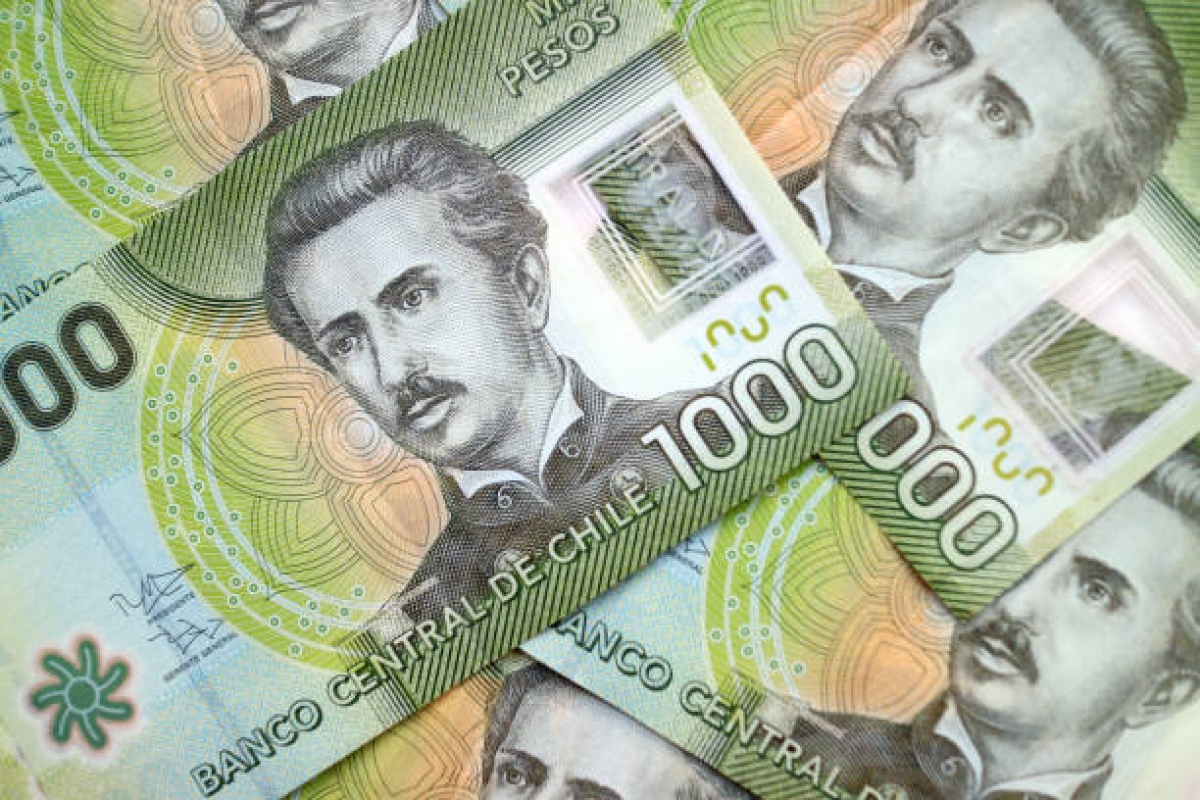
Non-farm payrolls rose by 353,000 last month, surprising many who expected less. This led to declines in Latin American currencies, especially the Chilean peso.
Simon Harvey from Monex Europe noted to Bloomberg, “The job data challenges hopes for US deflation and a quick Federal Reserve easing cycle.”
This could mean trouble for emerging market assets. The Mexican peso, usually strong, fell by 0.3%.
Its economy is closely tied to the US, benefiting from its growth. The Brazilian real and Chilean peso also saw decreases.
Worldwide, developing country stocks trimmed gains but stayed positive. Emerging markets did better than Chinese stocks, reaching an 11-month high.
Doubts remain that a $728 billion stimulus will help the struggling Chinese economy.
Excluding China, the developing nations’ index may rise for a second week. South Korean chaebols and Indian tech firms are driving this.
Meanwhile, China’s CSI 300 and Shanghai Composite faced their biggest drops in months.
Chinese stocks lost over $1.3 trillion this year as investors withdrew. This contrasts with other developing areas, where lower borrowing costs are fostering growth.
Analysts have cut Chinese company profit forecasts to a 2020 low but raised expectations for other emerging markets.
China faced more issues with China Evergrande Group’s insolvency and shrinking manufacturing and profits.
However, Indian stocks climbed after a budget focused on infrastructure and fiscal prudence.
Korea saw a $2.5 billion foreign investment boost attributed to improved corporate governance.
These markets now seem more appealing than China, where regulatory concerns linger.
More: Latin America news in English, every day from The Rio Times.
This article was produced by The Rio Times’ automated newsroom system. How we use AI · Report an error
Read More from The Rio Times