U.S. Dollar Rises, Gaining Nearly 1% Against Brazilian Real
On Tuesday, the U.S. dollar saw a significant uptick, rising nearly 1% against the Brazilian real.
This increase coincides with gains in other emerging market currencies, amid scrutiny of Brazil’s first quarter GDP and U.S. economic indicators.
During the session, the dollar nearly touched R$5.30, peaking at R$5.296.
By day’s end, the spot dollar had risen by 0.98%, reaching R$5.284 to buy and R$5.285 to sell.
In futures trading, the dollar closed higher at 5.302 points, marking a 0.71% increase.
This dollar strength was driven by uncertainty around U.S. economic figures and fiscal debates in Brazil.
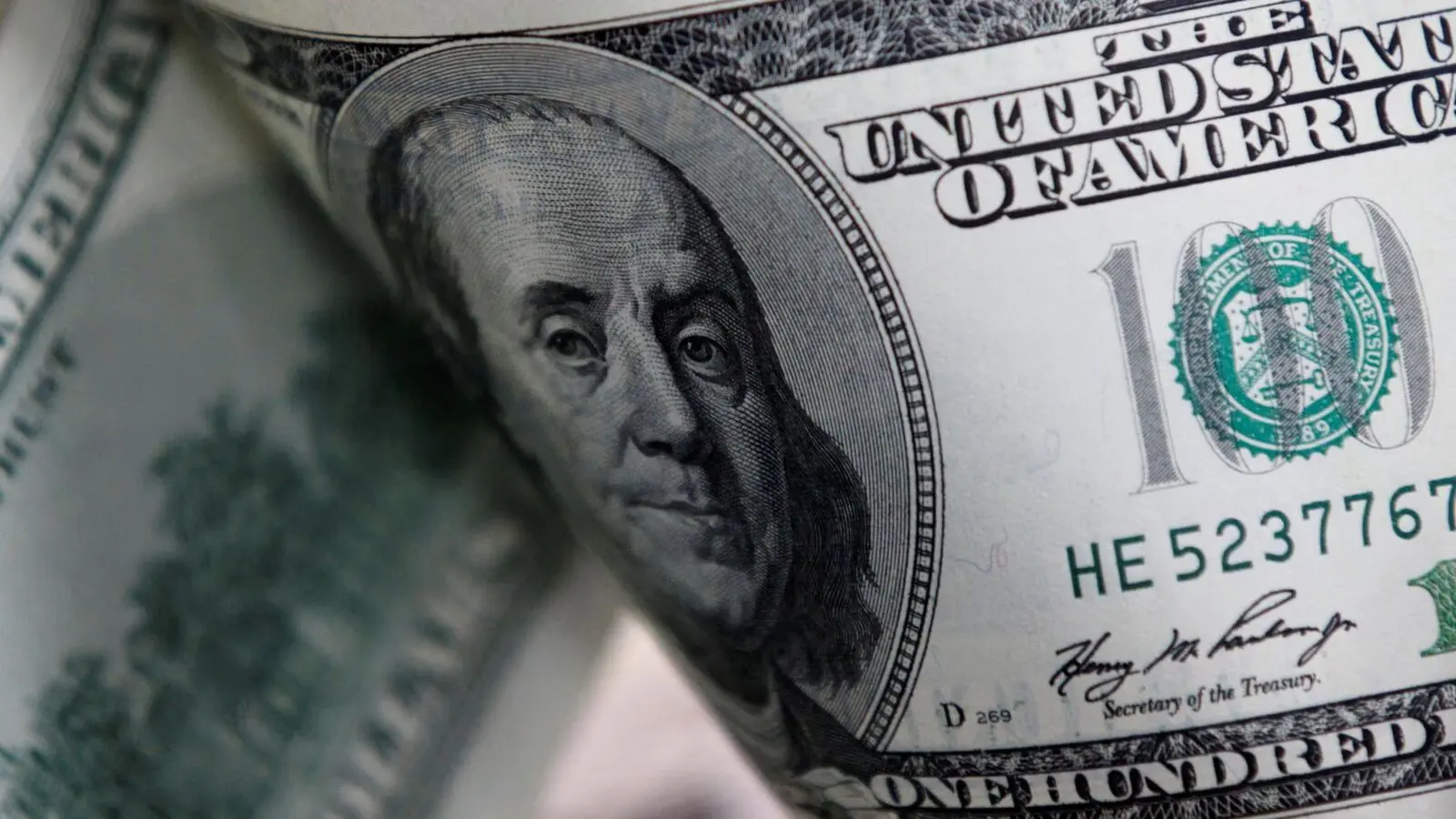
These discussions reflected how dropping commodity prices affect the Brazilian real.
Analysts expressed concern about imminent U.S. employment data, which often pushes investors toward safer assets.
The U.S. Department of Labor reported a decrease in job vacancies, down 296,000 to 8.059 million by April’s end, the lowest since February 2021.
This indicates a cooling labor market, which the Federal Reserve monitors to adjust its inflation strategy, possibly delaying rate cuts.
After elections in Mexico and South Africa, the U.S. dollar gained in emerging markets amid worries about those economies.
The dollar climbed against the Mexican peso and South African rand, as the Australian dollar, a gauge of risk, dropped.
In Brazil, new GDP data for the first quarter showed the economy growing by 0.8% over the previous quarter.
However, negative fiscal news and falling commodity prices, like oil and iron, pressured the market, influencing currency exchange rates.
More: South Africa news in English, every day from The Rio Times.
This article was produced by The Rio Times’ automated newsroom system. How we use AI · Report an error
LatAm Markets: Live Signals → — real-time movers, turnover leaders and FX across Latin America.
Read More from The Rio Times