Trump Tariffs Threaten 1% of German Economic Output
The German economy faces a potential setback as President-elect Donald Trump’s proposed tariffs loom on the horizon. Bundesbank President Joachim Nagel warns that these measures could cost Germany up to 1% of its economic output.
This revelation comes at a time when Germany’s economic growth already shows signs of stagnation. Nagel’s concerns stem from Germany’s current economic fragility.
Forecasts predict zero growth for 2024 and less than 1% growth for 2025. The implementation of Trump’s tariffs could push Germany into negative growth territory.
This situation highlights the vulnerability of export-dependent economies to global trade policies. Trump’s campaign promises include imposing tariffs of 10% to 20% on products from Germany and the European Union.
He also proposes a 60% tariff on Chinese imports. These measures aim to benefit U.S. citizens and reduce national debt. However, they pose significant risks to international trade relationships.
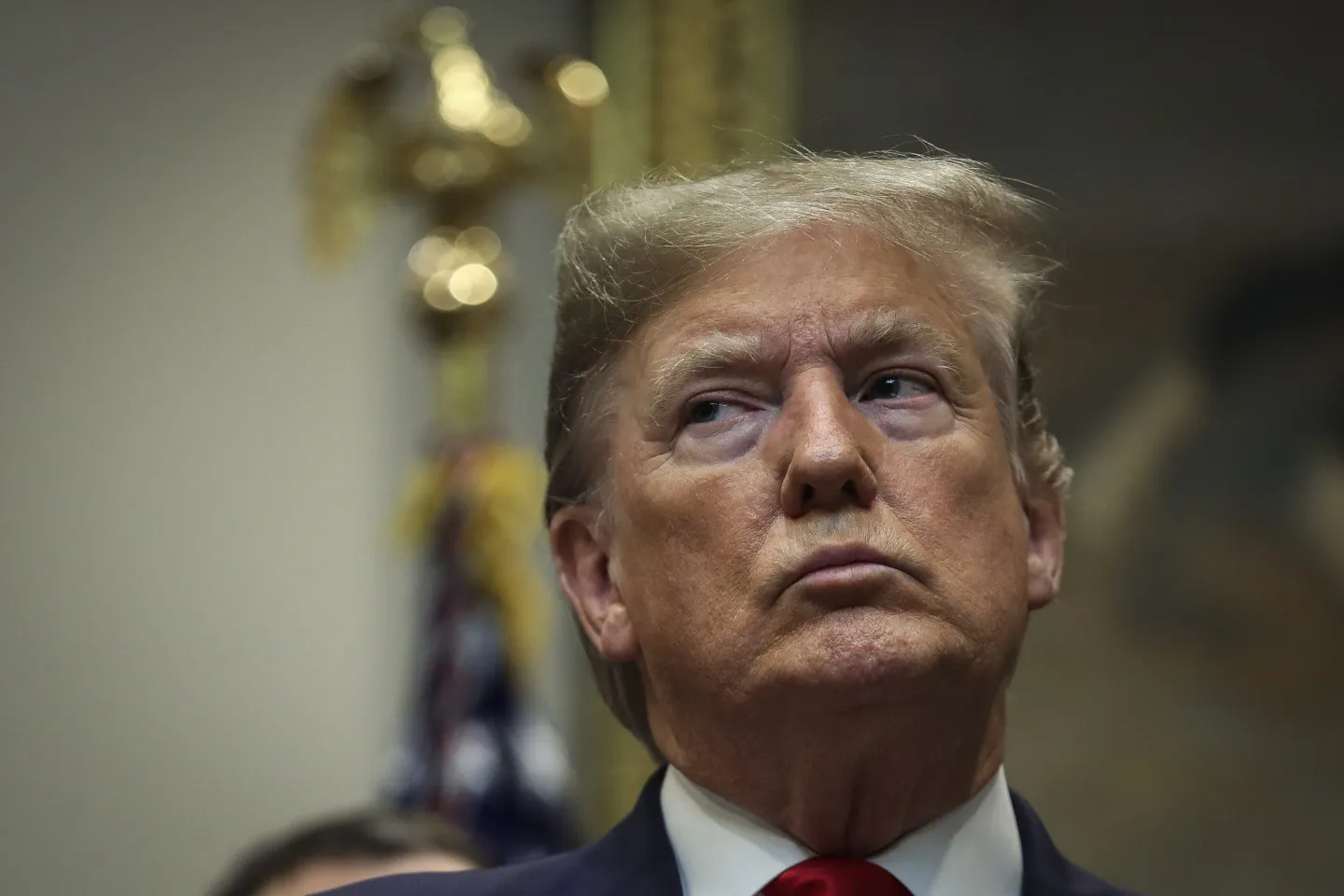
Several key German industries stand to lose from these tariff proposals. The automotive sector, already facing challenges, could see further setbacks.
Manufacturing, machinery, and pharmaceutical industries might also suffer due to their high export quotas to the United States. Economic simulations paint a grim picture for Germany.
Impact of Protectionist Trade Policies
The Institute of German Economy suggests that GDP could decrease by 0.3% in the first year and up to 1.2% in subsequent years. German exports to the U.S. might decline by approximately 15%, according to the ifo Institute in Munich.
The potential economic damage over a four-year presidential term is staggering. Estimates range between 130 and 180 billion euros, equivalent to 4% of Germany’s total economic output.
These figures underscore the far-reaching consequences of protectionist trade policies. Nagel also expresses concern about Germany’s labor market.
He fears that jobs lost in the industrial sector may not be easily replaced by service sector positions. This shift could lead to long-term structural unemployment issues, challenging Germany’s economic resilience.
The situation becomes more complex when considering potential European responses. Retaliatory measures from the EU could further impact economic performance.
European companies might face pressure to relocate production to the United States to avoid tariffs. Despite these economic challenges, inflation in Germany might not increase significantly.
Simulations suggest a slight decrease if the threatened tariff increases are implemented. The European Central Bank has already reduced interest rates three times this year, with more cuts expected.
This scenario presents a dilemma for German policymakers. They must balance protecting domestic industries with maintaining open trade relationships.
The situation calls for careful diplomacy and strategic economic planning to navigate these uncertain waters. As Germany faces these potential economic hurdles, the importance of economic diversification becomes clear.
Reliance on exports to a single market exposes economies to significant risks. This situation serves as a reminder of the need for flexible and resilient economic strategies in an interconnected global marketplace.
This article was produced by The Rio Times’ automated newsroom system. How we use AI · Report an error
Read More from The Rio Times