Trump Signals Pause in U.S.-China Tariff Battle Amid Economic Strain
President Donald Trump has signaled a possible halt to the cycle of escalating tariffs between the United States and China, marking a notable shift after months of mounting trade tensions.
Speaking at the White House, Trump stated he does not want tariffs to climb higher, warning that further increases would suppress consumer demand and risk broader economic fallout.
He said, “At a certain point, people aren’t gonna buy,” highlighting the real-world impact of these measures on American households and businesses. The administration’s recent tariff actions have been sweeping.
Since early April, Trump imposed a 10 percent tariff on most imports, then raised duties on Chinese goods to a cumulative 145 percent. China responded in kind, lifting its own tariffs on US products to 125 percent.
Both sides exchanged signals that they would not push rates higher, with China publicly stating it would not “respond to a numbers game with tariffs.”
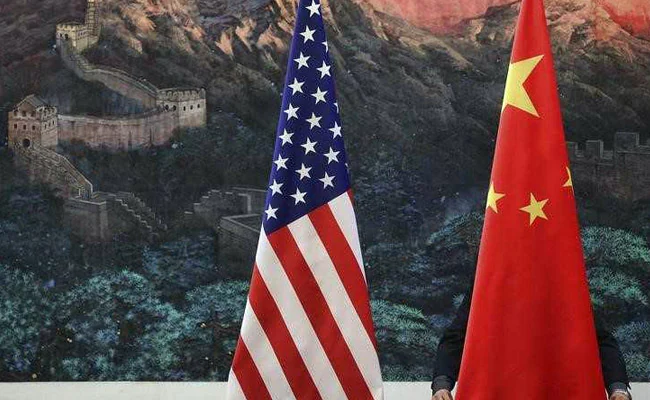
This mutual pause comes after global markets reacted sharply to the rapid escalation, with volatility and uncertainty affecting business planning and investment.
US-China Trade Tensions and Economic Impact
The White House delayed some of the harshest new tariffs, especially those affecting consumer technology and automobiles, after observing negative market reactions.
Trump’s team also extended the legal deadline for China-based ByteDance to divest TikTok’s US operations, linking the fate of the social media platform to progress in trade negotiations.
Trump indicated that any TikTok deal would wait until trade issues resolve, adding another layer of complexity to the standoff. The trade war’s economic impact is clear. Analysts estimate that tariffs have already raised prices for US consumers and squeezed margins for importers.
Some projections suggest US tariffs could cut Chinese exports to the US by more than half, while US GDP growth faces downward pressure. China’s export-driven economy also risks slowing, despite strong first-quarter growth.
Both governments appear to recognize the limits of tariff escalation. The US has paused new reciprocal tariffs for 90 days for most countries, excluding China, to allow time for negotiations.
China, meanwhile, has signaled readiness for talks if approached with “mutual respect.” For now, business leaders and consumers watch closely, hoping for stability as both sides weigh the costs of further confrontation.
This article was produced by The Rio Times’ automated newsroom system. How we use AI · Report an error
Read More from The Rio Times