U.S. President Donald Trump signed a memorandum tightening restrictions on Chinese investments in critical sectors, citing national security concerns.
The directive empowers the Committee on Foreign Investment in the United States (CFIUS) to block Chinese acquisitions. This includes industries like technology, healthcare, energy, agriculture, and critical infrastructure.
The policy aims to prevent China from leveraging U.S. capital and technology to strengthen its military and intelligence capabilities through its Military-Civil Fusion (MCF) strategy.
Trump’s administration highlighted the risks of foreign ownership of sensitive assets, including farmland and real estate near key installations. China currently owns over 350,000 acres of U.S. agricultural land across 27 states, raising alarms about potential vulnerabilities in food security and market stability.
In addition to restricting inbound investments, the memorandum signals plans to limit U.S. firms’ investments in China, particularly in cutting-edge sectors like semiconductors, artificial intelligence, quantum computing, biotechnology, and aerospace.
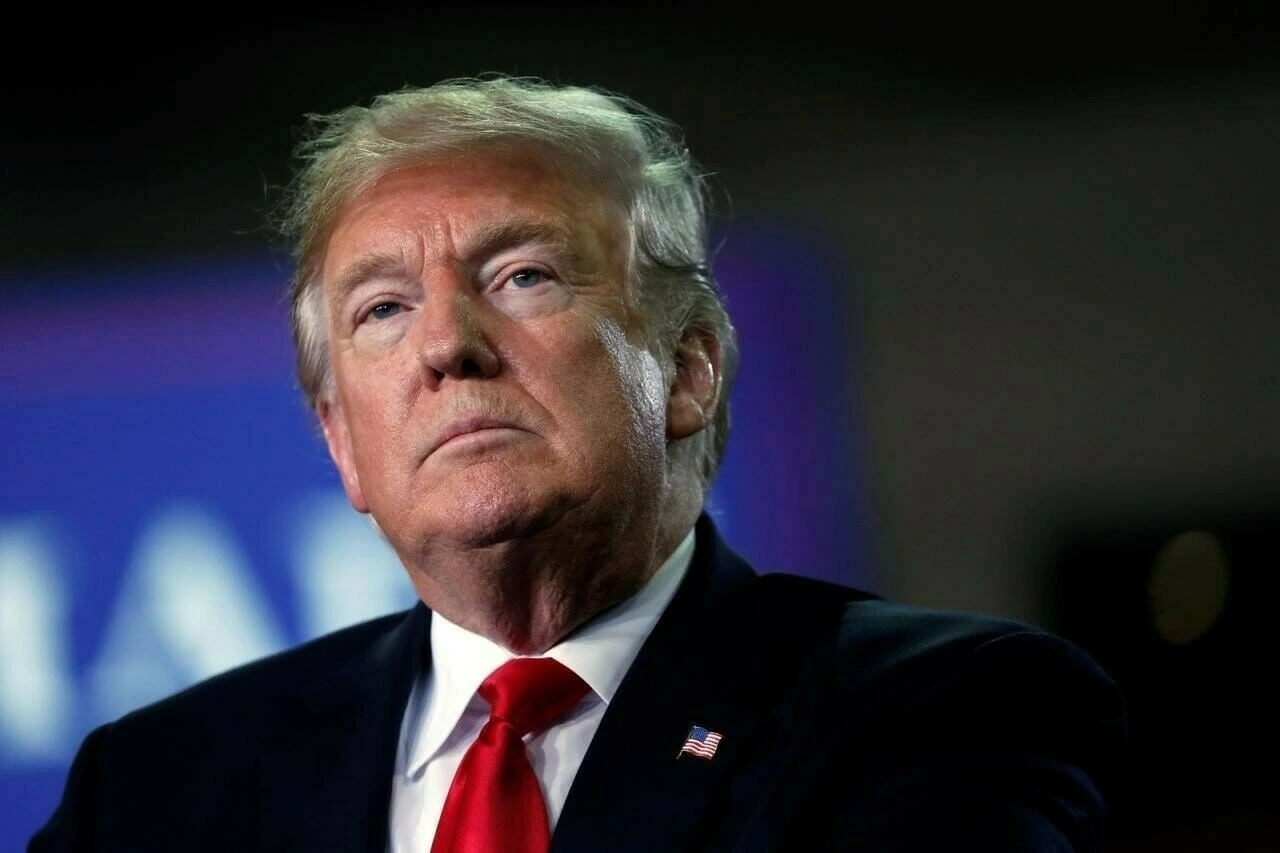
These measures reflect a broader effort to safeguard American intellectual property and technological leadership from foreign exploitation. The move comes amid heightened trade tensions between the world’s two largest economies.
Both nations have imposed tariffs and economic restrictions in recent years as they compete for global influence. Trump’s directive builds on earlier efforts by his predecessor Joe Biden, who expanded CFIUS oversight in 2022 to address similar concerns.
China’s Ministry of Commerce criticized the policy as discriminatory and warned it could harm bilateral economic relations. Beijing accused Washington of politicizing trade issues under the guise of national security and hinted at potential retaliatory actions to protect its interests.
This decision underscores the growing intersection of economic policy and national security in U.S.-China relations. For investors and policymakers, these developments highlight shifting market dynamics and the increasing scrutiny of cross-border transactions in strategic industries.
This article was produced by The Rio Times’ automated newsroom system. How we use AI · Report an error
Read More from The Rio Times