Trafigura Enters Brazil’s Power Market With a Trading License
Brazil · Energy
Key Facts
—The move. Commodity trader Trafigura has won a license to trade wholesale electricity in Brazil.
—The regulator. The approval came from ANEEL, Brazil’s national electricity agency, on June 12.
—The scale. Brazil is the world’s sixth-largest power market, and the firm cited its size and structure.
—The company. Trafigura is one of the world’s biggest commodity traders, with revenue of around $240 billion in 2025.
—The timing. It arrives as many independent Brazilian power traders face financial strain.
—The field. More than 500 companies already trade power in Brazil, led by bank- and utility-linked groups.
Trafigura, one of the world’s largest commodity traders, has won a license to sell electricity in Brazil, entering the region’s biggest power market just as local rivals struggle.
One of the most powerful names in global commodity trading has just bought a ticket into Brazil’s electricity market. The move signals fresh foreign confidence in a sector that many local players are finding hard going.
Trafigura said on June 12 that it had received a license from ANEEL, Brazil’s national electricity regulator, to trade wholesale power in the country. It already trades electricity in Europe and the United States.
Why Trafigura wants in
The company’s logic is about scale. It said it chose Brazil as its entry point into Latin American power because the market is the sixth-largest in the world.
Structure matters too. Trafigura pointed to the market’s regulatory framework and its deep network of established companies as reasons to step in now.
The firm is a heavyweight. With total revenue of around 240 billion dollars last year, it is among the largest traders of oil and metals on the planet, with offices in more than fifty countries.
Power is a natural extension of that reach. Trafigura already deals in electricity, gas, renewables and carbon, alongside its core business in crude and refined products.
The license lets Trafigura operate as a trading agent rather than a generator. In practice it can buy and sell electricity in Brazil’s free market, where large consumers and producers strike their own supply deals.
That free market has been growing fast as Brazil gradually opens electricity to competition. More businesses can now choose their supplier, creating room for new intermediaries to match buyers and sellers.
A crowded but stressed market
Brazil’s power-trading arena is far from empty. More than five hundred companies already buy and sell electricity in the country’s free market.
The leaders are familiar names. They include trading arms of big banks such as BTG Pactual and Santander, and units of major utilities like Auren, Cemig and Engie.
Yet the timing is striking. Trafigura is arriving just as many independent power traders face financial difficulty, with some pushed into restructuring.
That contrast is the heart of the story. A deep-pocketed global player is betting on a market where smaller local firms are being squeezed out.
Why it matters for a foreign reader
The arrival of a global trader is also a test of Brazil’s market design. Regulators have spent years widening access in the hope of attracting exactly this kind of large, sophisticated participant.
For an outside investor, the entry is a useful signal. When a trader of Trafigura’s size commits to a market, it is a vote of confidence in that market’s depth and rules.
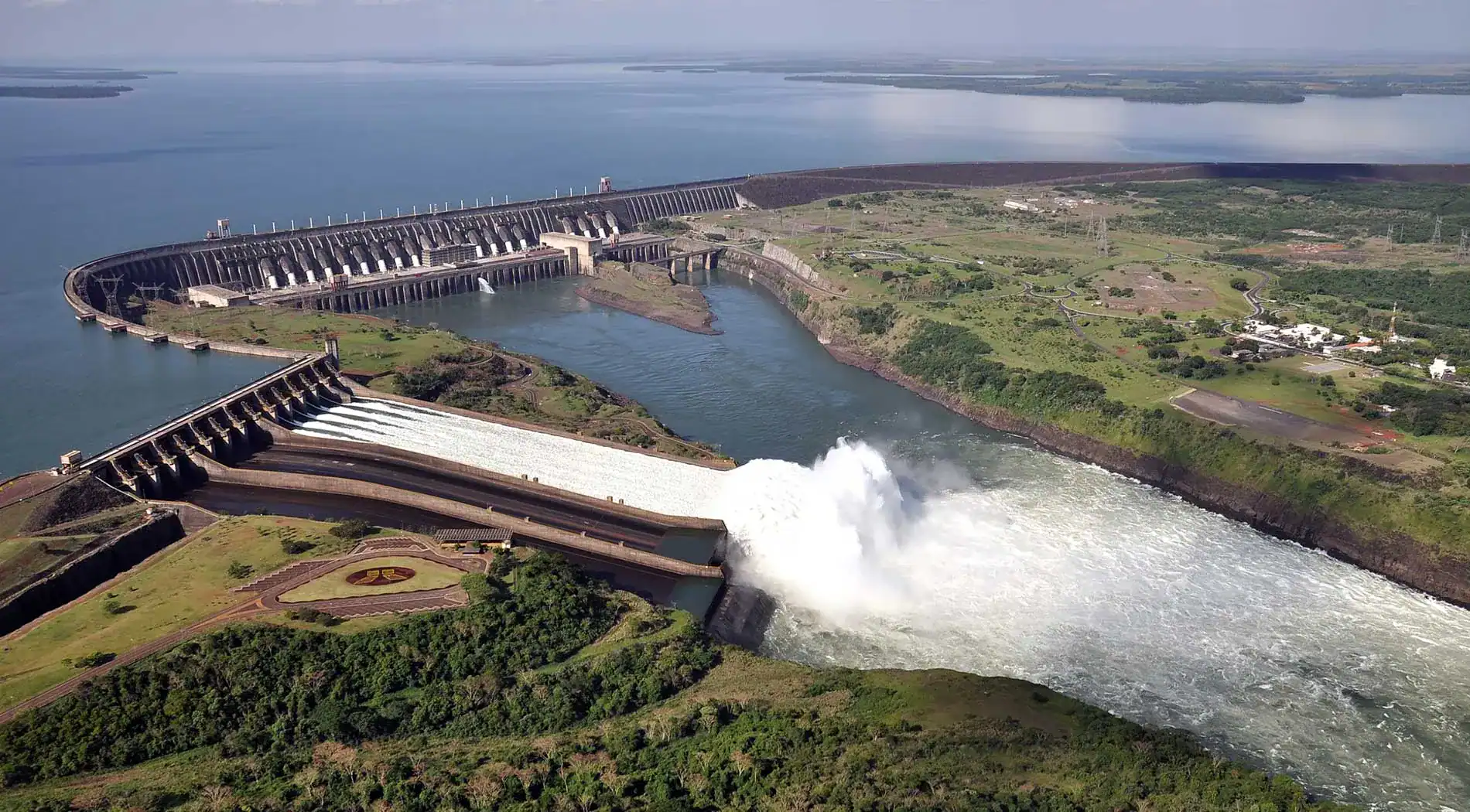
Brazil’s electricity system is also unusual. It runs on one of the cleanest grids of any large economy, dominated by hydropower and increasingly wind and solar.
That makes it attractive to traders managing carbon exposure for global clients. A clean, liquid power market is a valuable place to be.
There is a note of caution in the background, too. Trafigura settled a long-running bribery case tied to Brazil two years ago, a reminder that the sector still carries reputational risk.
For Brazil, the bigger prize is credibility. Each global name that commits capital makes the next one likelier, and a market that can attract a trader of this scale is one the rest of the world is watching.
Brazil’s power sector has drawn steady foreign interest in recent years. European utilities and global funds have poured money into wind, solar and transmission, drawn by demand growth and a transition already further along than in most rich economies.
Trafigura’s move adds a trading dimension to that interest. Rather than building plants, it is positioning to profit from the flow of electricity itself, the buying, selling and hedging that a large open market generates.
How Brazil’s power market actually works
Brazil runs one of the world’s largest electricity systems, leaning heavily on hydro power backed by wind, solar and gas. A free-contracting market lets large buyers and traders strike deals outside the regulated tariff.
That free market is where a trader like Trafigura wants to operate, matching supply and demand and managing price risk. Reservoir levels swing prices, creating the volatility traders thrive on.
Why a global trader sees opportunity
Trafigura already moves oil, metals and gas worldwide, so adding Brazilian power extends a familiar playbook into a big, growing market. Its balance sheet and risk tools are hard for smaller local rivals to match.
Entering as some domestic players struggle gives Trafigura room to win share. The licence is the first step toward trading at scale.
More: Brazil news in English, every day from The Rio Times.
Frequently Asked Questions
What did Trafigura win in Brazil?
It received a license from ANEEL, Brazil’s national electricity regulator, to trade wholesale power in the country. The approval was granted on June 12.
Why is Brazil attractive to Trafigura?
It is the world’s sixth-largest power market, with a clear regulatory framework and a large network of established companies. Its grid is also unusually clean, dominated by hydropower, wind and solar.
Who else trades power in Brazil?
More than 500 companies trade electricity in the free market. Leaders include the trading arms of banks like BTG Pactual and Santander and units of utilities such as Auren, Cemig and Engie.
Connected Coverage
Brazil Renewable Energy 2026: Wind, Solar and the Energy Transition
Brava Energia Secures Landmark Oil Supply Deal With Trafigura
This article was produced by The Rio Times’ automated newsroom system. How we use AI · Report an error · Editorial responsibility: Matthias Camenzind, Editor-in-Chief
LatAm Markets: Live Signals → — real-time movers, turnover leaders and FX across Latin America.