The Ukraine War: Escalation, Diplomacy, and Shifting U.S. Stances
In the past couple of days, the Russia-Ukraine war, now grinding into its fourth year, has surged with chilling intensity, reshaping global diplomatic currents.
Russia unleashed its largest aerial assault of the conflict, raining 1,390 drones and 94 missiles on Ukraine, killing 30 civilians and wounding 163, with Kyiv’s civilian infrastructure battered.
This onslaught, coupled with Russia’s capture of four border towns near Sumy, signals President Vladimir Putin’s defiance of U.S.-led peace efforts, as he seeks to carve a “buffer zone” and tighten his grip on occupied territories.
Ukraine, undeterred, launched a counteroffensive, striking seven Russian regions with drones, though its dwindling stockpiles underscore a desperate need for Western aid.
In the United States, the conversation around Putin has hardened, marked by frustration and a pivot from cautious optimism to pointed warnings.
President Donald Trump, who once touted a “very good relationship” with Putin, now calls him “absolutely crazy” and warns he is “playing with fire” after the latest attacks.
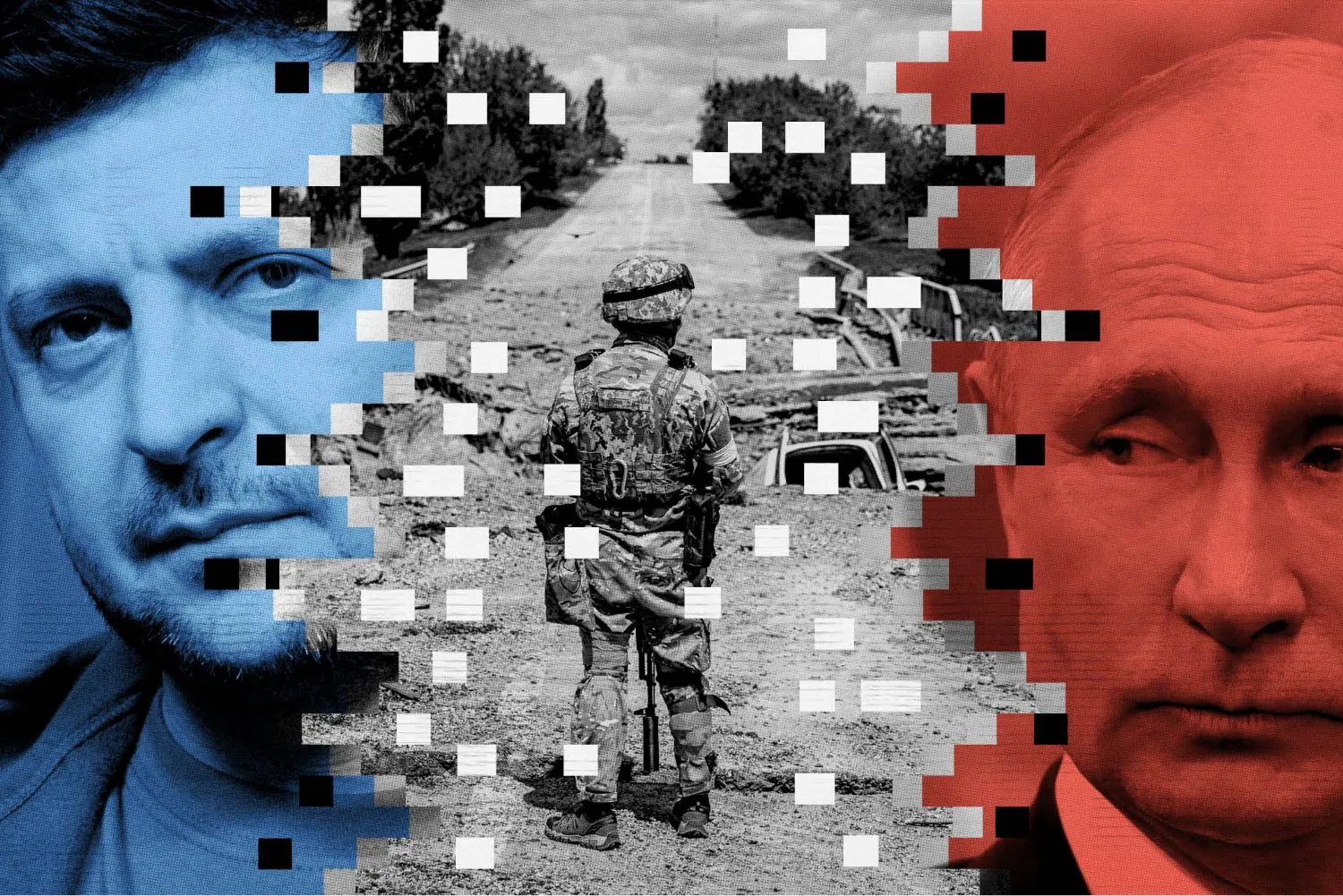
Trump’s Truth Social posts reflect a personal sense of betrayal, accusing Putin of spurning ceasefire offers, including a proposal to cede Crimea.
This shift follows a contentious White House meeting with Ukrainian President Volodymyr Zelenskyy, after which Trump paused $3.85 billion in military aid, a move critics like Fiona Hill argue signals capitulation to Putin’s aggression.
Yet, Trump’s team, including envoy Keith Kellogg, insists the pause is temporary, hinting at sanctions on Russian energy and banking if Putin obstructs peace.
The Ukraine War: Escalation, Diplomacy, and Shifting U.S. Stances
Public sentiment, echoed on X, sees Putin’s intransigence as a rejection of Trump’s overtures, with some calling for renewed pressure.
Europe and the U.S., once misaligned, are converging on a tougher stance toward Putin.
European leaders, stunned by Trump’s initial reluctance to label Russia the aggressor, now welcome his threats of secondary sanctions targeting nations like India and China that buy Russian oil.
Germany’s new chancellor, Friedrich Merz, joined the U.S., France, and the UK in lifting range restrictions on weapons like ATACMS supplied to Ukraine, bolstering its defense.
The EU, unmoved by Russia’s demands for sanctions relief, vows to maintain pressure until Russia withdraws from Ukraine.
Posts on X reflect Europe’s resolve, with EU nations reportedly increasing sanctions post-Trump-Putin talks.
This unity stems from a shared recognition of Putin’s imperial ambitions, underscored by Zelenskyy’s warning of a new Russian offensive.
The question of sustained U.S. military aid to Ukraine hangs in the balance. Trump’s pause, coupled with his ultimatum to Zelenskyy to negotiate or lose support, has sparked fears of abandonment.
However, a U.S.-Ukraine minerals deal, signed to secure continued aid, suggests a transactional path forward.
With Congress unlikely to approve new funding and Biden-era stockpiles nearly depleted, Europe’s pledge to use $300 billion in frozen Russian assets could fill the gap.
The U.S.’s evolving stance—balancing peace talks with threats of escalation—may hinge on Putin’s next move.
As the war’s human toll mounts, the world watches whether America’s resolve will hold or waver, shaping Ukraine’s fate and global security.
This article was produced by The Rio Times’ automated newsroom system. How we use AI · Report an error · Editorial responsibility: Matthias Camenzind, Editor-in-Chief