The Metal Inside Everything Is Running Out, and Three Countries Hold the Key
Key Points
- Silver is physically irreplaceable in solar panels, electric vehicles, and AI hardware — and the world has consumed more than it has mined for five straight years.
- Mexico, China, and Peru produce over half the global supply, but aging mines and declining ore quality mean output cannot grow fast enough.
- China just restricted silver exports using the same playbook it used for rare earths, turning a commodity crisis into a geopolitical one.
There is a metal you probably never think about that sits inside your phone, your car, every solar panel on every rooftop, and the servers powering artificial intelligence.
It is silver — the most electrically conductive element known — and the world is running out of it faster than it can dig it up.
According to the Silver Institute, global demand hit roughly 1.2 billion ounces in 2024 while mines produced only about 820 million.
The gap has persisted for five consecutive years, draining an estimated 820 million ounces from global stockpiles — nearly an entire year of production, simply gone.
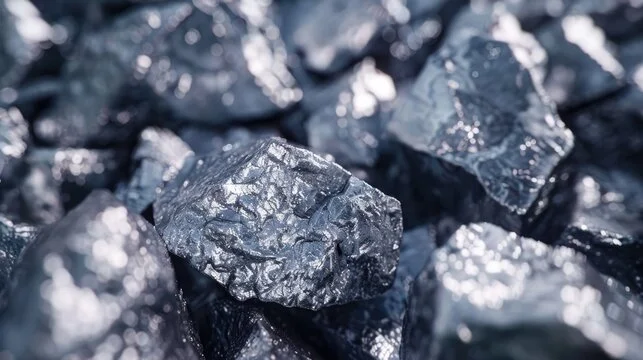
Industrial use alone reached a record 680 million ounces, with solar panels absorbing close to 200 million. In 2014, solar accounted for 11% of industrial silver demand.
By 2024, it was 29%. Electric vehicles use roughly double the silver of a conventional car. There is no substitute at scale.
Global Silver Supply Faces Political Pressure
Three countries dominate supply. Mexico leads the world at roughly 6,300 metric tonnes per year, followed by China at 3,300 and Peru at 3,100, according to the U.S. Geological Survey.
Together they mine over half the planet’s silver. Bolivia, Poland, Chile, and Russia fill out the next tier. But here is the problem: about 70–80% of all silver is a by-product of copper, zinc, and lead mining.
Higher silver prices alone cannot increase output. New mines take seven to fifteen years to build. Mexico’s richest deposits are aging. Peru and Chile face declining ore grades and political uncertainty.
Then China changed the game. On January 1, 2026, Beijing imposed export licensing requirements allowing only 44 state-approved companies to ship silver abroad.
The policy echoes its rare earth restrictions — securing domestic supply while squeezing global availability. Elon Musk called it “not good” on X.
Washington had already classified silver as a critical mineral months earlier. The political framing splits predictably. Conservative voices in the U.S. treat this as a national security emergency.
Left-leaning outlets in Latin America highlight that mining communities absorb the environmental damage while financial hubs capture the profits.
Neither side disputes the underlying math. The world needs more silver every year. The earth is yielding less. And the countries that hold the keys face problems no policy can quickly solve.
Related coverage: Brazil’s Morning Call | Chile Closes 2025 With a Surprise Growth Beat, but Mining Wo This is part of The Rio Times’ daily coverage of Latin American news and financial markets.
This article was produced by The Rio Times’ automated newsroom system. How we use AI · Report an error · Editorial responsibility: Matthias Camenzind, Editor-in-Chief
Read More from The Rio Times