Brazilian Radar Maker Omnisys Expands with US$23.4 Million Hub

Brazil · Defense
Key Facts
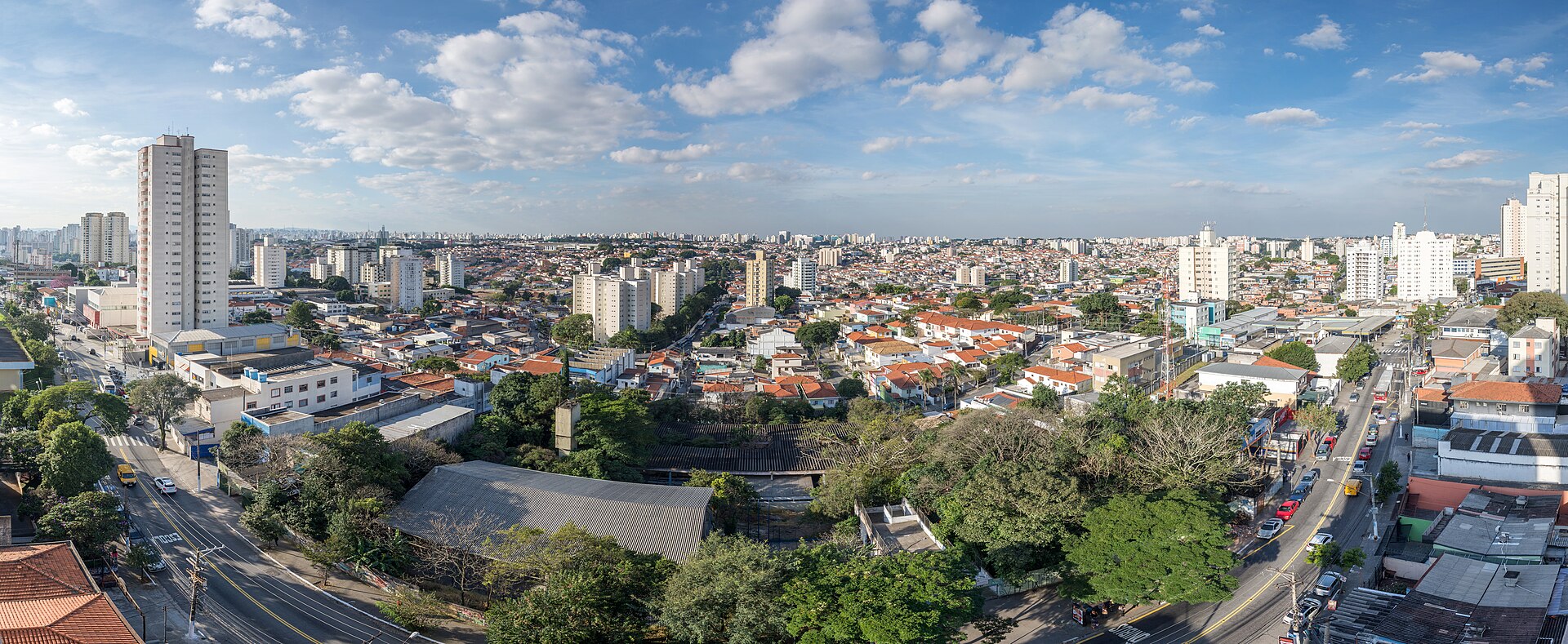
—Subsidiary. Omnisys is a Thales-owned high-technology radar manufacturer headquartered in São Bernardo do Campo.
—Expansion. A R$120 million-plus investment multiplied radar production capacity tenfold, from about five to fifty radars per year.
—Designation. The site is Thales’s global Radar Excellence Centre for L-band radars used in air traffic surveillance.
—Export reach. Radars produced in Brazil are exported to countries across the Americas, Europe, the Middle East and Asia.
—Future plan. Thales plans to double production again by shifting manufacturing from France, the UK and Australia into Omnisys.
*A sprawling factory in Greater São Paulo is now the nerve center of a French defense giant’s plan to supply air-traffic-control radars to the world, marking a strategic shift in advanced manufacturing.*
What Omnisys actually builds
Omnisys manufactures primary and secondary route surveillance radars for civil aviation authorities, including Brazil’s Department of Airspace Control (DECEA). It produces the LP23 SST primary radar with a 200-nautical-mile range and has built more than 26 TRAC L-band radars in cooperation with Thales since 2008.
To understand why this matters, it helps to know what these systems do. A primary radar works like a giant echo-locator, bouncing radio waves off an aircraft’s metal body to determine its position without any cooperation from the plane itself.
A secondary radar, by contrast, sends out an interrogation signal that triggers a transponder aboard the aircraft, which then replies with identification and altitude data. Together they give air traffic controllers a complete picture of who is flying where and at what height, even over vast stretches of ocean or jungle where other tracking methods fail.
The plant also integrates into Thales’s global defense supply chain, manufacturing the Ground Master 400 air defence radar in São Bernardo. This dual civil-military portfolio makes the factory a single source for advanced surveillance systems.
What a global hub mandate means
A global hub mandate means Omnisys is no longer just a local supplier for Brazil. It is the designated Thales Radar Excellence Centre for L-band radars, with the majority of its output—over sixty percent of around sixty-five delivered L-band radars—shipped to foreign customers.
The L-band designation refers to a specific slice of the radio spectrum, roughly between 1 and 2 gigahertz. This frequency range is prized in air traffic control because it travels long distances, cuts through heavy rain reliably, and is less affected by the clutter that plagues shorter-wavelength radars.
Being named the global centre for this particular technology means the Brazilian plant now holds the group’s deepest pool of expertise for an entire product family.
The mandate concentrates research, manufacturing and life-cycle support in one location. Thales explicitly links the expansion to reinforcing exports from Brazil, and the site already serves as a Latin American service centre supporting around one hundred and thirty radars in the region.
Looking ahead, Thales plans to transfer production lines currently running in France, the United Kingdom and Australia to the São Bernardo do Campo plant, subject to board approval. This would deepen the hub’s role as the group’s primary radar factory worldwide.
Why Brazil won the investment
Brazil offered a combination of established industrial credibility and a large domestic anchor market. Omnisys is certified by Brazil’s Ministry of Defence as a Strategic Defence Company, and its air-traffic-control radars are classified as Strategic Defence Products.
Those classifications are not merely bureaucratic labels. A Strategic Defence Company designation in Brazil brings preferential treatment in public procurement, access to special financing lines, and a closer working relationship with the armed forces.
It signals that the government views the firm as essential to national sovereignty, which in turn gives a foreign parent like Thales confidence that its local subsidiary will enjoy long-term institutional support.
The domestic installed base is formidable: more than eighty percent of air-traffic-control radars operating in Brazil, around one hundred and thirty-three units, were supplied by Thales and are supported through the local service centre. This national hub status provided the volume and technical track record to justify export-scale investment.
Thales completed the largest industrial expansion in Omnisys’s history at the São Bernardo do Campo site, growing plant floor space by forty percent to more than eleven thousand square meters. That physical commitment, paired with Brazil’s engineering talent and existing customer relationships across Latin America, made the country a logical platform for global radar production.
The export footprint today
Omnisys-produced equipment is already present in eighteen countries. The company’s CEO has cited exports of radar products and services to around sixteen nations, with particularly strong activity in China and additional business in Africa.
Recent programs illustrate the cross-border flow: Thales relies on Omnisys for installation and commissioning of radars sold in Colombia and Mexico. The factory’s multi-continent customer base spans the Americas, Europe, the Middle East and Asia, confirming its role as a genuine global export platform.
What comes next
The trajectory points toward deeper consolidation. After multiplying capacity tenfold in the early 2020s, Thales is preparing to double Omnisys production again by bringing additional product lines from its European and Australian factories to Brazil.
This phased build-up transforms the São Bernardo do Campo plant from a regional supplier into the group’s main artery for air-traffic-control and surveillance radar manufacturing. For foreign investors and diplomats, the move signals that Brazil is now a strategic node in the global defense-industrial supply chain.
Several open questions will shape how this story unfolds. Whether the board approves the full transfer of French, British and Australian lines remains the central variable.
It is also worth watching how Brazil’s own airspace modernization programs evolve, since a healthy domestic procurement pipeline often underpins export competitiveness in the defense sector. Finally, the extent to which other multinationals follow Thales’s lead and consolidate advanced manufacturing in Brazil could determine whether this is a one-off success or the start of a broader trend.
More: Brazil news in English, every day from The Rio Times.
Frequently Asked Questions
What does Omnisys manufacture?
Omnisys builds primary and secondary air-traffic-control radars, including the LP23 SST and TRAC L-band systems, as well as the Ground Master 400 air defence radar for military customers.
What is a global hub in this context?
It means the São Bernardo do Campo plant is Thales’s designated Radar Excellence Centre for L-band radars, handling the majority of global production, export shipments and life-cycle support for these systems.
Why did Thales choose Brazil instead of France or another country?
Brazil provided a large domestic installed base of over one hundred and thirty Thales radars, a certified Strategic Defence Company in Omnisys, and a skilled industrial workforce, making it a credible platform for scaling up global exports.
Where are the Brazilian-made radars exported?
Radars from Omnisys are exported to countries across the Americas, Europe, the Middle East and Asia, with equipment already present in eighteen countries and strong activity reported in China and Africa.
Connected Coverage
Sources: Thales; Brazil’s Department of Airspace Control (DECEA).
This article was produced by The Rio Times’ automated newsroom system. How we use AI · Report an error · Editorial responsibility: Matthias Camenzind, Editor-in-Chief