Sudan Health System Collapse Leaves 30M Without Care
Africa · Northern
Key Facts
—Facilities shut. Up to 80% of health centres in conflict zones are non-functional.
—Mass displacement. Around 14 million people have fled their homes since April 2023.
—Famine confirmed. Famine conditions are verified in parts of North Darfur and South Kordofan.
—Funding gap. The 2025 UN humanitarian appeal was only 25% funded by late in the year.
—Cholera outbreak. A nationwide epidemic infected over 124,000 people before being declared under control in March 2026.
Sudan’s health system collapse has left 30 million people without reliable care as a multi-year civil war destroys clinics, spreads disease, and pushes entire regions into famine.
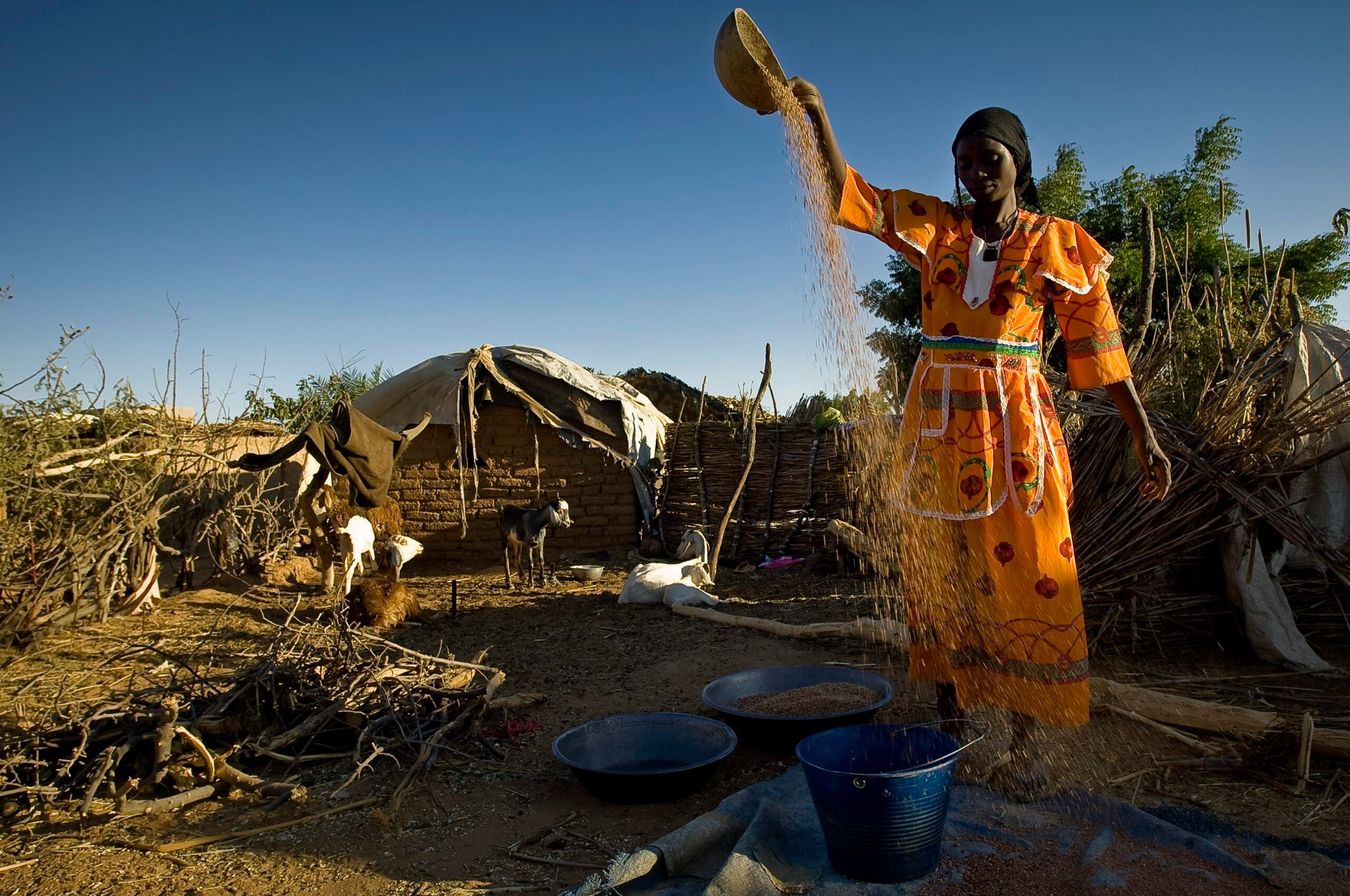
A health system pushed past breaking point
The World Health Organization calls Sudan one of the world’s most serious and complex health emergencies. Most of the system is barely functioning after nearly three years of war.
Between 70 and 80 percent of health facilities in conflict zones are non-functional or barely operational. In Khartoum, Darfur, Kordofan and Al Jazirah, shelling and bombardment have rendered hospitals unusable.
Médecins Sans Frontières documented at least 622 attacks on healthcare by mid-2025. These attacks killed 147 health workers and damaged 157 facilities.
Hunger and disease feed a vicious cycle
Sudan is now the epicentre of the global hunger crisis. Roughly 24.6 million people suffer acute hunger, with two million facing or at risk of famine.
Famine conditions are confirmed in parts of North Darfur and South Kordofan. Sieges, disrupted markets and blocked aid deliveries have cut off entire communities from food.
Malnutrition weakens immune systems, making people more vulnerable to cholera, dengue and malaria. A nationwide cholera outbreak infected over 124,000 people across all 18 states before being declared under control in March 2026.
The world’s largest displacement crisis
Around 14 million people have been forcibly displaced since fighting erupted on 15 April 2023. This includes roughly 10 million internally displaced persons and over four million refugees in neighbouring states.
Displacement sites around El Fasher in North Darfur show alarming malnutrition rates. A rapid assessment found 38 percent of children under five in these sites were acutely malnourished.
Women and girls face particular risk. The UN Population Fund warns that underfunding threatens safe births, emergency obstetric care and services for survivors of gender-based violence.
Gold, guns and the war economy behind the Sudan health system collapse
The war is not simply a domestic power struggle. It is a highly lucrative transnational proxy contest over gold, ports and Red Sea influence.
The Rapid Support Forces, led by Mohamed Hamdan Dagalo, control key gold mines and smuggling routes. Illicit gold extraction, linked to networks involving the United Arab Emirates and Russia’s Wagner Group, provides the financial lifeline sustaining RSF operations.
This resource-backed conflict financing replaces sovereign revenue that might otherwise fund clinics and hospitals. As our pillar Africa: The New Scramble details, external powers are trading arms and money for minerals and maritime access across the continent.
Foreign backers sustain the fighting
UN Panel reports and independent investigations have accused the UAE of providing extensive support to the RSF, including arms and advanced drones. The UAE denies direct involvement.
Russia’s Wagner Group and its successor networks have reportedly traded weapons and training for Sudanese gold. This gives Moscow influence over gold exports and prospective Red Sea access.
Libyan warlord Khalifa Haftar is cited as a key regional player providing military support to Sudanese factions. Egypt leans toward the Sudanese Armed Forces, while Saudi Arabia oscillates between mediation and strategic hedging.
A chronically underfunded response
The 2025 Humanitarian Needs and Response Plan sought US$4.2 billion. By late 2025, it was only 25 percent funded.
UNFPA’s appeal for women’s health services received just 33 percent of the required US$145.7 million by mid-2025. The shortfall left millions of women without reproductive care in one of the world’s most dangerous humanitarian contexts.
Aid groups point to donor fatigue and competing crises. Sudan lacks the strong lobbying constituencies in Western capitals that drive generosity toward more visible emergencies.
What Brazil and BRICS watchers should track
Sudan’s crisis sits at the intersection of several dynamics relevant to Global South and BRICS audiences. The country’s Red Sea coastline makes it a logistical hub for global trade through the Bab el-Mandeb–Suez corridor.
China has been a major economic player in Sudan’s oil sector and infrastructure for decades. Western powers worry that a future Sudanese government aligned with Beijing or Moscow could offer strategic port access and secure mineral supply chains.
For Brazilian investors and policymakers, Sudan illustrates how unregulated commodity flows can dismantle state institutions. The same gold that finances war could, under different governance, fund hospitals and schools.
Connected Coverage
Frequently Asked Questions
How many health facilities in Sudan are still functioning?
In conflict-affected zones, up to 80 percent of health facilities are non-functional or barely operational. Nationwide, around one-third of all facilities are completely shut, cutting millions off from care.
Those that remain open face severe shortages of medicines, fuel and staff.
What is driving the Sudan health system collapse?
The primary driver is the civil war that began in April 2023 between the Sudanese Armed Forces and the Rapid Support Forces. Both sides have attacked hospitals, looted medical warehouses and blocked humanitarian access.
Economic collapse, donor fatigue and foreign powers fuelling the conflict with arms and money have compounded the crisis.
How much humanitarian funding does Sudan need?
The 2025 UN Humanitarian Needs and Response Plan sought US$4.2 billion but was only 25 percent funded by late in the year. Sector-specific appeals, such as UNFPA’s US$145.7 million request for women’s health services, received even less.
Chronic underfunding forces aid agencies to ration life-saving interventions.
Sources
Sources: World Health Organization; Médecins Sans Frontières.
This article was produced by The Rio Times’ automated newsroom system. How we use AI · Report an error
Read More from The Rio Times