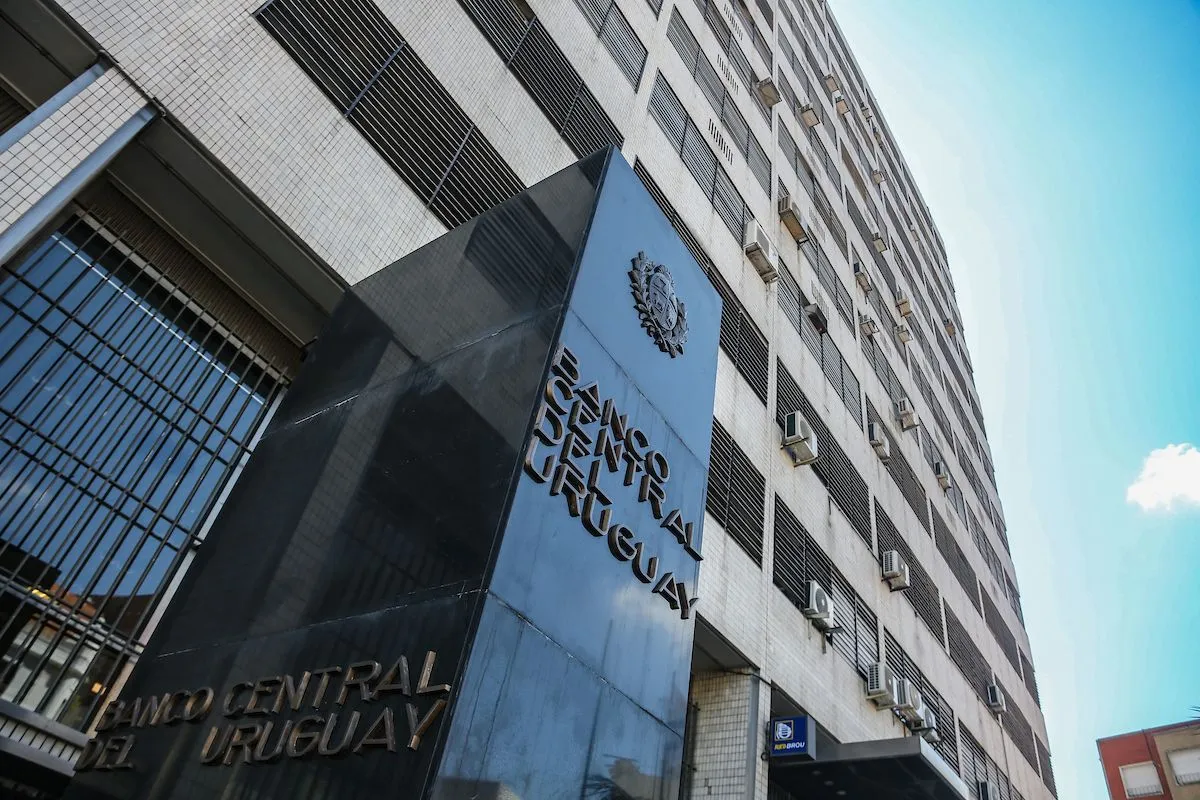
Uruguay’s central bank, led by President Washington Ribeiro, is exploring a significant shift in its inflation target.
This follows a long period of maintaining price stability effectively. A recent report from July showed a consumer price increase of 5.45% from the previous year.
This keeps inflation within the targeted 3% to 6% range for the 14th month in a row. Historically, the nation struggled with an average inflation rate of 8.5% from 2001 to 2023.
Ribeiro hints at a future target of 3% for inflation but views it as a long-term goal. He expects inflation to level at about 4.5% in the next two years, showcasing the central bank’s successful tactics.
Since May, the bank’s financing rate has remained at 8.5%, aiming for an approximate inflation rate of 4.5%. The approach in Uruguay stands out against that of other South American nations.
Brazil keeps its Selic rate at 10.5%, Chile has ended a year-long easing cycle, and Colombia hesitates to cut rates. This diversity underscores different challenges and strategies across the region.
High interest rates in Uruguay have sparked criticism for causing an overvalued currency that hurts the competitiveness of exports.
Ribeiro maintains that the exchange rate is market-determined and only used to manage inflation during severe fluctuations.
The Central Bank of Uruguay is preparing to adjust its inflation target, a move that signals confidence in its economic policies.
In short, this strategy seeks to balance effective inflation control with economic needs, fostering a stable environment for growth and competitiveness.
More: Uruguay news in English, every day from The Rio Times.
This article was produced by The Rio Times’ automated newsroom system. How we use AI · Report an error
Read More from The Rio Times