Uruguay’s President Gave the Montevideo Port 72 Hours Before He Considers Stripping the Right to Strike
URUGUAY · LABOUR
Key Facts
- —The deadline President Yamandú Orsi gave the parties a 72-hour window on Friday to settle.
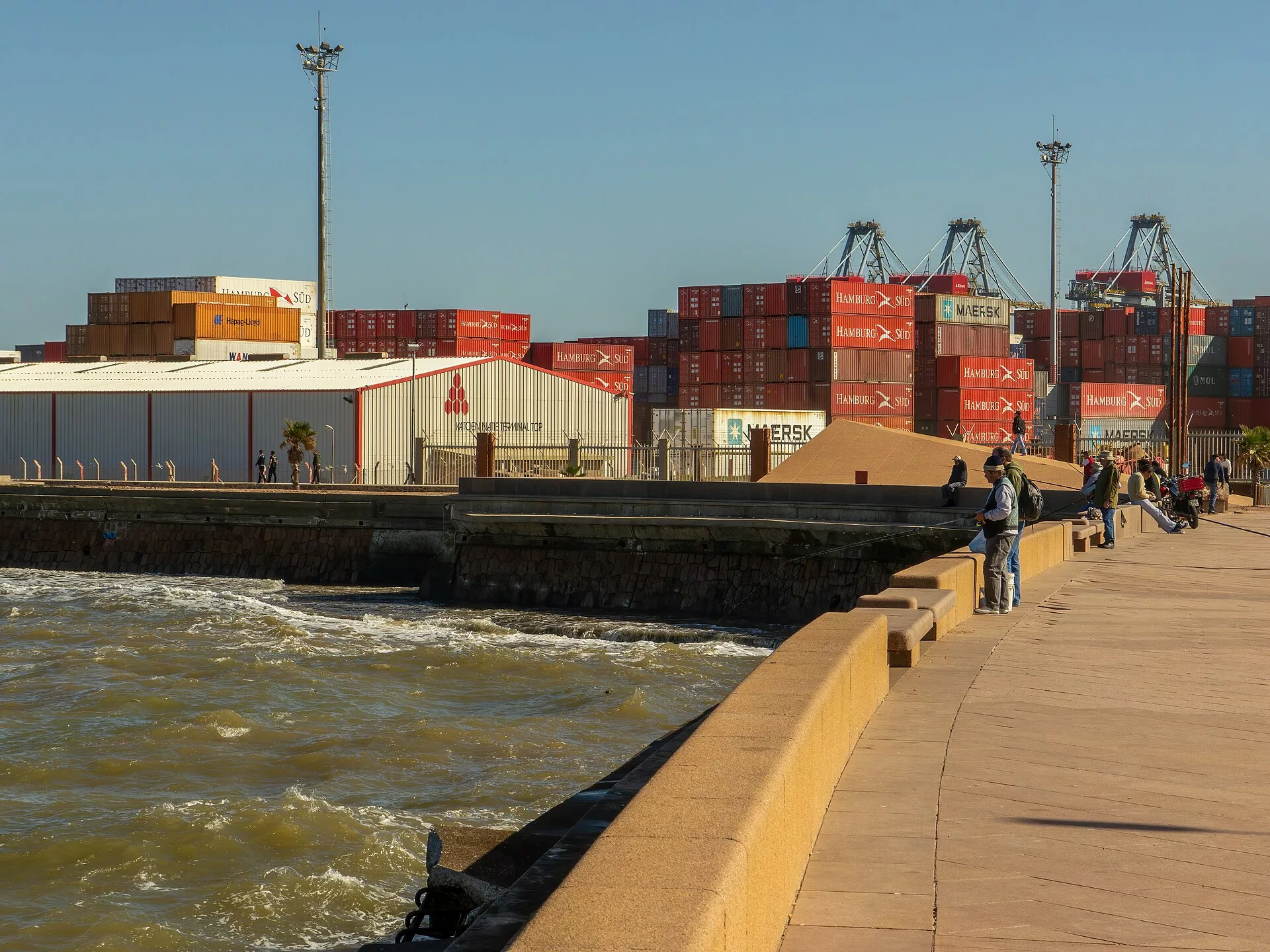
- —The site Terminal Cuenca del Plata, Montevideo’s container terminal and the country’s main trade gateway.
- —The instrument Esencialidad, a declaration making a service essential, restricting strikes and mandating minimum staffing.
- —The position Orsi says it remains available but is not yet justified.
- —The catch The opposition leader demanded it the day before. Orsi’s own political base is the union movement.
- —The owner The terminal’s majority shareholder is the Belgian logistics group Katoen Natie.
A left government elected with union support is being asked by the opposition to use the one legal instrument the unions fear most.
Uruguay’s president has given a labour dispute at the Montevideo port 72 hours to resolve itself. If it does not, he has a legal instrument available that would end it by decree.
The dispute is at Terminal Cuenca del Plata, the container terminal. Yamandú Orsi called for calm on Friday and set the window.
He said the government wants a solution that respects the right to strike while protecting continuity of a strategic service. That formulation is doing a lot of work.
What Esencialidad Means
Uruguayan law lets the executive declare a service essential. The declaration restricts the right to strike and requires minimum staffing levels.
In practice it ends a stoppage. Workers who do not comply face dismissal rather than the ordinary consequences of industrial action.
It is used rarely and it is politically explosive. Uruguay has one of the strongest union traditions in Latin America and a single national confederation, the PIT-CNT.
Orsi said the instrument remains available but is not yet justified. That is a threat and a refusal in the same sentence.
Why This Is Awkward for This Government
Orsi leads the Frente Amplio, the left coalition that governed Uruguay from 2005 to 2020 and returned to office in 2025. Its relationship with the PIT-CNT is foundational rather than transactional.
Declaring the Montevideo port essential would mean a Frente Amplio government restricting a strike by a PIT-CNT affiliate. That is not a routine administrative decision for this coalition.
The opposition understands this. Álvaro Delgado, who leads the National Party, publicly demanded esencialidad for the port on Thursday.
He paired it with a call for a fresh plebiscite on night-time police raids. Both demands put the government on ground where its own base disagrees with it.

What Is at Stake Commercially
Terminal Cuenca del Plata handles the bulk of Uruguay’s container traffic. Its majority owner is Katoen Natie, the Belgian logistics group.
The terminal is also a transhipment point for Paraguayan and Argentine cargo. A country without a deep-water Atlantic port of its own is a country whose exporters use Montevideo.
That regional role is why a stoppage travels beyond Uruguay. Paraguayan soy and Argentine provincial cargo both move through the same cranes.
No outlet has published a figure for economic losses from the dispute. Until someone does, the cost is being asserted rather than measured.
The Precedents
Uruguay has reached for esencialidad before, and the pattern is instructive. It has usually been threatened by right-of-centre governments and denounced by the left.
Education strikes drew the declaration in 2015, under a Frente Amplio government. The reaction inside the coalition was severe and the episode is still cited.
That history is why the Montevideo port dispute is being handled with a deadline rather than a decree. The instrument costs the government something every time it is used.
It also explains the opposition’s enthusiasm. Forcing a left government to restrict a strike is worth more politically than the strike ending.
Who Is Handling It
Labour Minister Juan Castillo is running the negotiations. He comes from the union movement himself, which is the usual pattern in Frente Amplio governments.
That gives him standing with the workers and limits his room to threaten them. It is the reason the 72-hour deadline came from the president rather than from the ministry.
The window expires over the weekend. Neither side has said publicly what happens if it passes without agreement.
The likeliest outcome in Uruguayan disputes of this kind is a settlement just inside the deadline. Esencialidad is the instrument governments threaten precisely so they do not have to use it.
If it is invoked, the Montevideo port would reopen quickly and the political cost would be paid slowly. That is the trade the government is weighing this weekend.
More: Uruguay news in English, every day from The Rio Times.
Frequently Asked Questions
What is Terminal Cuenca del Plata?
Montevideo’s container terminal and Uruguay’s main trade gateway. Its majority shareholder is the Belgian logistics group Katoen Natie.
What is esencialidad?
A legal declaration by Uruguay’s executive that a service is essential. It restricts the right to strike and requires minimum staffing, effectively ending a stoppage.
Why is it politically difficult?
Because the governing Frente Amplio is historically allied with the PIT-CNT union confederation, whose affiliate is running the dispute.
Does the port matter beyond Uruguay?
Yes. Montevideo is a transhipment point for Paraguayan and Argentine cargo, so a stoppage affects trade across the region.
Sources: El Cronista Uruguay, Prensa Mercosur.
This article was produced by The Rio Times’ automated newsroom system. How we use AI · Report an error · Editorial responsibility: Matthias Camenzind, Editor-in-Chief
Living in or visiting Montevideo? See this month's events and our Montevideo city guide with rents, safety and upcoming concerts.