Starbase: Elon Musk Wins Vote to Create Corporate City in SpaceX Launch Region
Voters in South Texas approved the creation of America’s newest municipality on Saturday, May 3, granting Elon Musk’s vision of a SpaceX company town official status.
The election results revealed overwhelming support with 212 votes in favor and only 6 against among the 283 eligible voters. The newly incorporated Starbase spans approximately 1.5 square miles at the southernmost tip of Texas, adjacent to the Mexican border.
This area serves as the critical testing and launch site for SpaceX’s Starship rocket program, which operates under contracts with NASA and the Department of Defense.
Most eligible voters in the election were SpaceX employees, who make up the majority of the area’s estimated 500 residents. The land itself is predominantly owned by SpaceX or its employees, creating a unique corporate-controlled urban environment.
Bobby Peden, SpaceX’s vice president of testing and launches, ran unopposed and secured election as Starbase’s inaugural mayor. All city commissioners also have direct ties to the company, cementing SpaceX’s governance over the municipality.
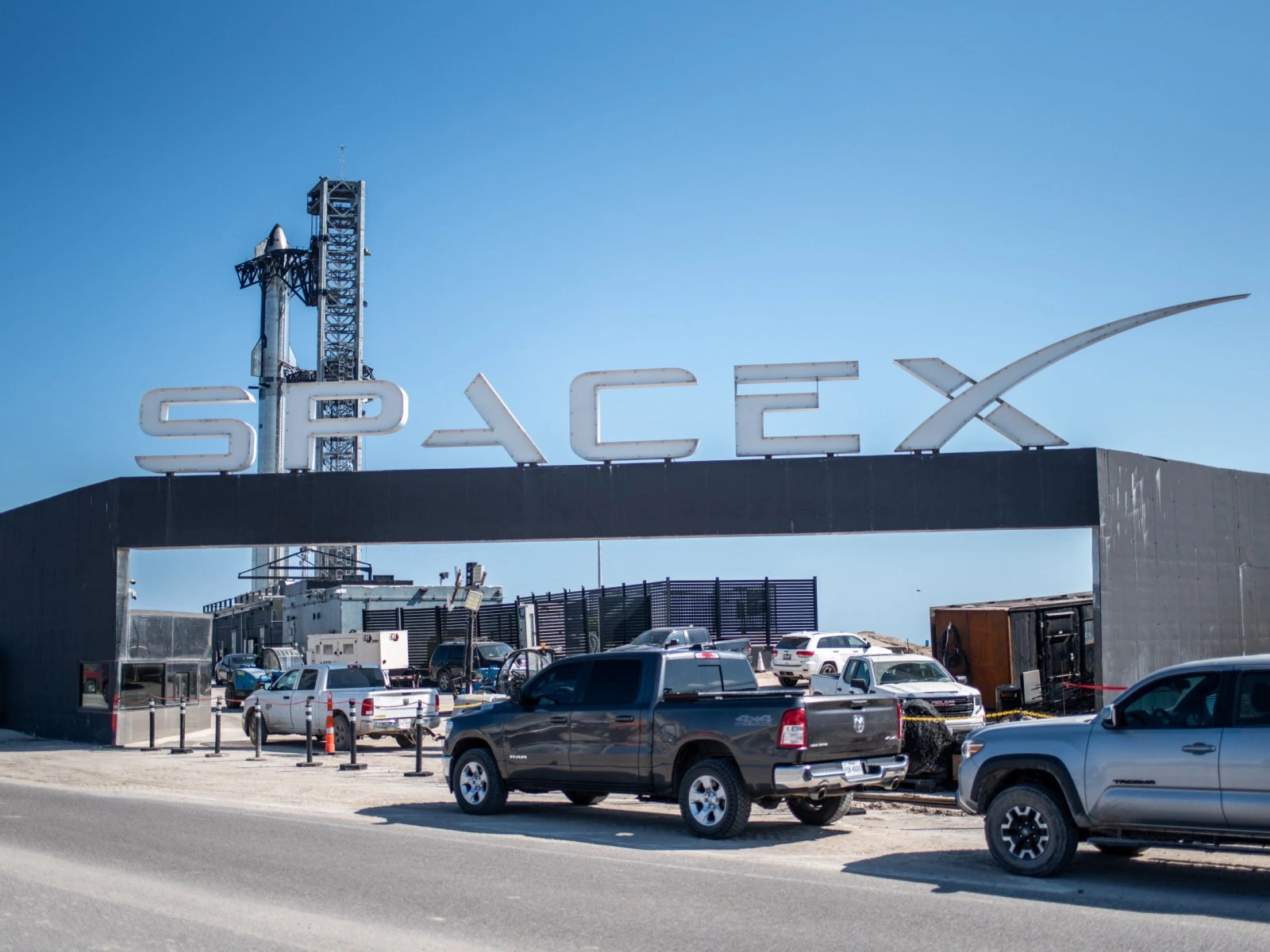
SpaceX Pushes for City Incorporation to Boost Starbase Growth
Musk first proposed transforming the area into a city in 2021 but faced regulatory hurdles. The successful vote represents a significant business win for the entrepreneur during a challenging period for his other ventures, including Tesla’s reported profit struggles.
SpaceX officials have indicated that municipal status will enhance operational efficiency. The company aims to increase its annual rocket launches from five to twenty-five.
It also seeks direct control over beach closures, which are currently regulated by Cameron County. “We need the ability to grow Starbase as a community,” wrote Starbase General Manager Kathryn Lueders when requesting the ballot measure in 2024.
Legislation is moving forward in parallel to shift beach closure authority to the new city government. Critics worry that the incorporation expands corporate control over public resources.
They argue it could limit access to beaches and parks that local families have enjoyed for generations. Supporters tout economic development and space innovation as counterbalancing benefits to the region.
This article was produced by The Rio Times’ automated newsroom system. How we use AI · Report an error · Editorial responsibility: Matthias Camenzind, Editor-in-Chief