Sri Lanka’s Delicate Dance Between India and China
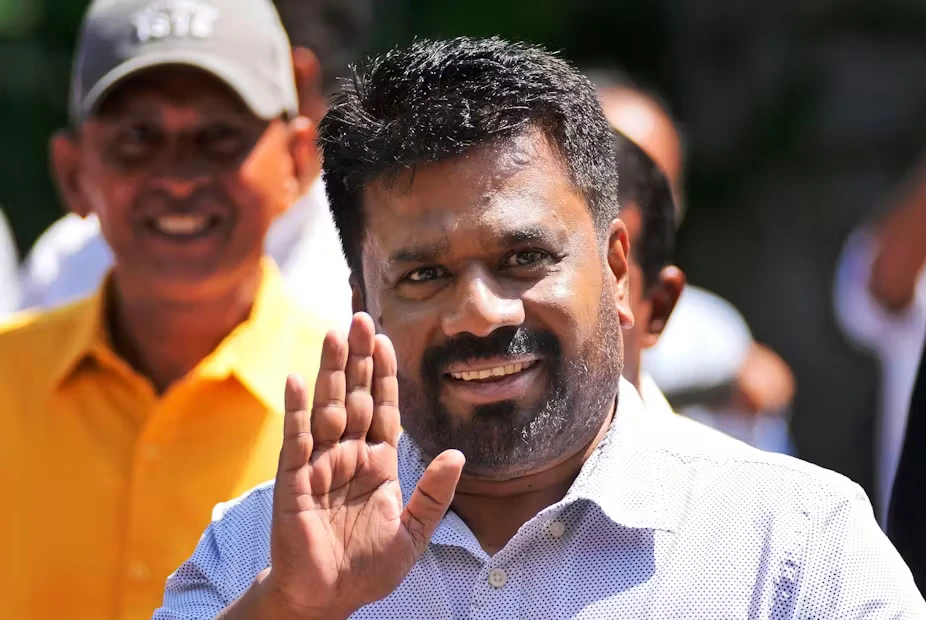
Sri Lanka’s political landscape has shifted with the election of Anura Kumara Dissanayake as president. The Marxist lawmaker’s victory marks a departure from the old political elite.
Dissanayake now faces the challenge of balancing ties between regional powers India and China. His election comes as Sri Lanka strives to recover from a severe economic crisis.
The crisis of 2022 led to shortages of essential goods and widespread protests. These events forced former president Gotabaya Rajapaksa to resign and flee the country.
During this turmoil, India provided crucial support to Sri Lanka. New Delhi offered approximately $4 billion in financial assistance and essential supplies.
This timely aid has generated considerable goodwill among Sri Lankans towards India. As a result, India appears to have gained an advantage in its relationship with Sri Lanka.
However, China remains a significant player in the region. Sri Lanka owes nearly 11% of its $51 billion external debt to China.
Dissanayake’s background in Marxist ideology has raised questions about his foreign policy approach. Despite this, experts expect him to adopt a pragmatic stance.
He will likely focus on policies that enhance economic stability and ease austerity measures. Dissanayake must carefully manage relationships with both India and China to benefit Sri Lanka.
India has solidified its economic ties with Sri Lanka in recent years. It stands as the island nation’s largest trade partner. Bilateral trade between the two countries reached $5.45 billion in 2021.
Sri Lanka’s Strategic Balancing Act
India has also become one of Sri Lanka’s top investors, with foreign direct investment surpassing $2.2 billion. China’s influence in Sri Lanka remains strong, particularly through infrastructure projects.
The 99-year lease of Hambantota port to a Chinese company exemplifies this relationship. President Xi Jinping has pledged to boost cooperation under the Belt and Road Initiative.
This commitment ensures China’s continued involvement in Sri Lanka’s development. Dissanayake’s administration faces several key challenges in the coming months.
Economic recovery and poverty alleviation remain top priorities for the new government. The president must also address domestic concerns while managing international relationships.
Potential renegotiation of deals with both India and China may be on the horizon. Sri Lanka’s strategic location in the Indian Ocean adds complexity to its foreign policy decisions.
The country recently declared a one-year moratorium on foreign research ships entering its waters. This move addressed Indian concerns about Chinese vessels docking in Sri Lankan ports.
Dissanayake’s government will likely maintain this stance to balance regional security interests. As Dissanayake navigates Sri Lanka’s foreign policy, he must leverage the country’s strategic position.
The goal is to benefit from relationships with both Asian giants while safeguarding national interests. His success in this delicate balance act will shape Sri Lanka’s future and regional dynamics.
The coming months will reveal Dissanayake’s ability to manage these complex relationships. His decisions will impact not only Sri Lanka’s economic recovery but also its role in the broader geopolitical landscape.
In short, the world watches as this small island nation seeks to chart its course between two regional powers.
This article was produced by The Rio Times’ automated newsroom system. How we use AI · Report an error · Editorial responsibility: Matthias Camenzind, Editor-in-Chief