Spain Busts Dominican Migrant Smuggling Ring

DOMINICAN REPUBLIC · MIGRATION
Key Facts
- The country The Dominican Republic shares the Caribbean island of Hispaniola with Haiti, and its citizens need a visa to visit most of Europe.
- What happened Spain’s National Police broke up a suspected ring that moved Dominican migrants into Europe on false or fraudulently issued Colombian passports.
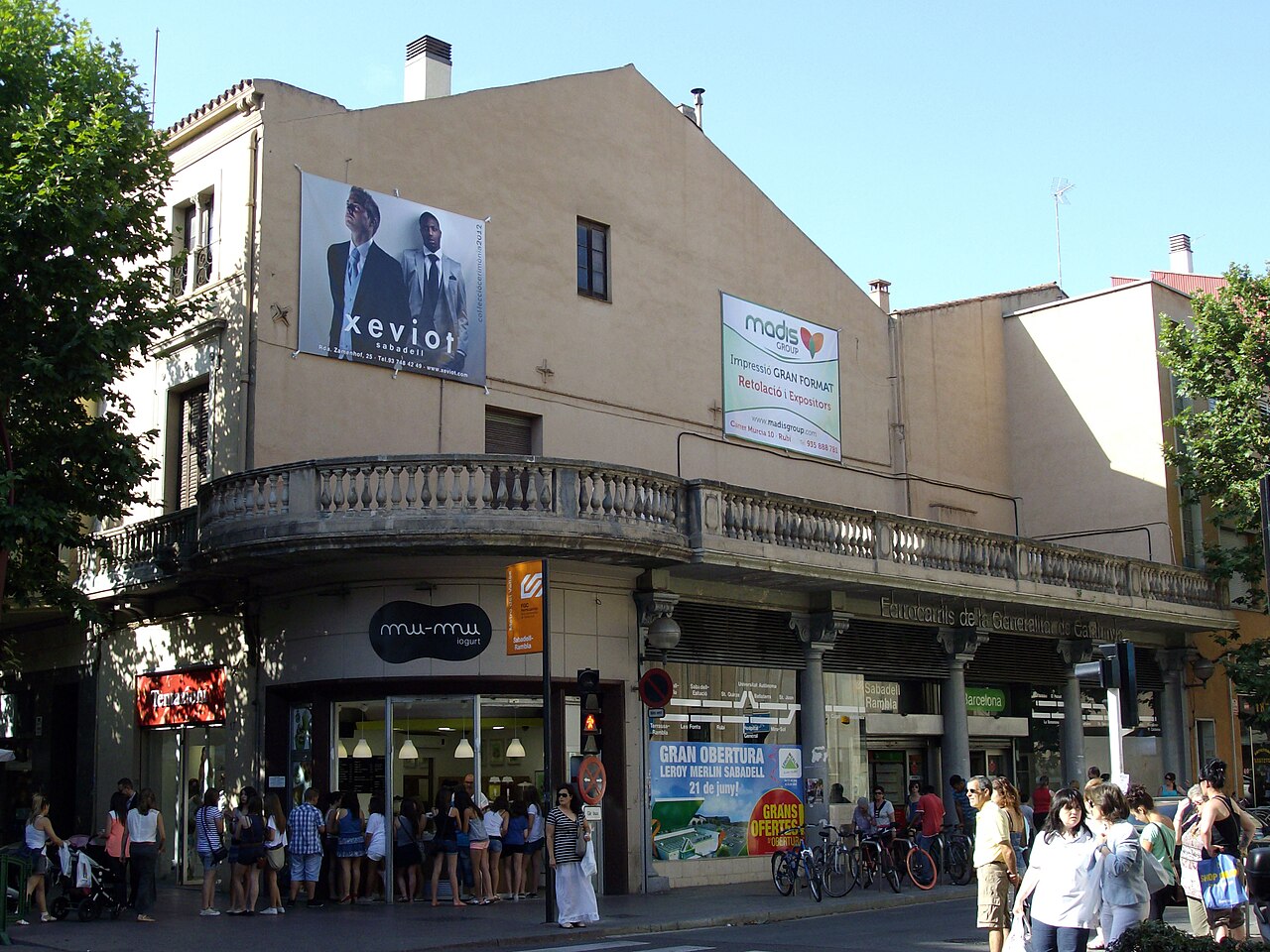
- Arrests Four people were detained in Sabadell, a city in the province of Barcelona, including the group’s alleged leader.
- The route Migrants left the Dominican Republic and travelled mainly through Colombia, Peru and Brazil before flying on, mostly to France.
- The loophole Colombian law lets an adult declare a Colombian birth at a registry with two witnesses, which yielded an ID card and then a passport.
- The investigation The probe began in November 2025, and AMERIPOL, a network of police forces from across the Americas, helped identify the suspects.
Spain’s National Police have broken up a suspected ring that smuggled Dominican migrants into Europe on false or fraudulently obtained Colombian passports. Four people were arrested in Sabadell, a city in the province of Barcelona, including the group’s alleged leader, police said on Wednesday 14 October.
Police say the ring used a gap in Colombian law to get Dominicans a passport that lets them visit Europe as tourists without a visa. The same trick would not work for the United States, which demands visas from both Dominican and Colombian travellers.
How the Passport Scheme Worked
The National Police announced the arrests in a statement on Wednesday, La Vanguardia and El Periódico, both Barcelona dailies, reported. Police say the four suspects coordinated the trips, supplied the fraudulent papers and coached migrants on how to pass each border check.
Dominican passport holders need a visa to enter the Schengen area, the group of European countries that dropped passport checks at their shared borders. Colombians do not need one for short tourist stays, so a Colombian passport opened a back door.
Some Dominican migrants first travelled to Colombia, where an adult can declare a Colombian birth at a civil registry with two witnesses. That declaration produced a Colombian identity card and, in the end, a Colombian passport.
In other cases, the migrants went to Peru instead. Members of the ring based there gave them a place to stay and the documents needed to travel without a Schengen visa, police said.
The Route Ran Through South America to France
The Dominican migrant route ran mainly through Colombia, Peru and Brazil, Diario Libre, the Santo Domingo daily, reported, citing the police statement. The last leg was a flight, mostly to France.
The Dominican migrants arrived as ordinary tourists carrying Colombian papers rather than Dominican ones. Spanish investigators first noticed such travellers trying to reach Europe on fraudulently obtained Colombian passports in November 2025.
The case was worked with AMERIPOL, the Community of Police of the Americas, which links police forces across the hemisphere. Through that cooperation, Spanish officers identified the ring’s members living in Spain and have now detained them.
Cocaine and Cash Found in Searches
Officers searching two of the suspects’ homes found 3.7 kilograms of cocaine, about 8.2 pounds, El Periódico and the Dominican news site N Digital reported. They also seized €8,700 (about US$9,700) in cash, at about 0.89 euros to the US dollar on 15 October 2026.
Police have not said whether the drugs were tied to the migrant route. The seizure came during the same operation that led to the four arrests, El Periódico reported.
What It Means for You
For Dominican families in New York, Miami or Boston, the case is a warning about middlemen who offer shortcuts to a new life abroad. Passports obtained this way are fraudulent, and travellers who use them risk being stopped at the border.
Colombia is not part of the US Visa Waiver Program, the US State Department’s list shows, so a Colombian passport still needs a US visa. The scheme was built for Europe, where Colombians can visit for short stays without one.
Spanish police have not said whether other Dominicans are still travelling on such papers. The legal route for Dominicans remains a Schengen visa from the consulate of the European country they plan to visit.
Other Warnings for Dominicans Abroad
The bust comes as Dominican officials warn citizens about offers abroad that turn out to be traps. Foreign Minister Víctor Bisonó’s ministry had received 22 reports of Dominicans drawn into Russia’s war, Listín Diario reported on Friday 9 October.
Bisonó, who leads the country’s diplomacy under President Luis Abinader, urged Dominicans to examine offers of work abroad carefully. He singled out offers that could lead to military service or a role in armed conflicts.
What Is Not Known
The names and nationalities of the four people arrested have not been released. Police have also not said how many Dominican migrants used the route or how much the ring charged them.
It is not yet clear what charges the suspects face or when they will appear before a judge. Police have also not said whether the ring members based in Peru have been detained.
More: Dominican Republic news in English, every day from The Rio Times.
Frequently Asked Questions
Why did Dominicans use Colombian passports to reach Europe?
Dominican citizens need a visa for the Schengen area, while Colombians can make short tourist visits without one. A Colombian passport let the migrants board flights to Europe as tourists.
How did the ring obtain the Colombian passports?
Police said some migrants used a Colombian rule that lets an adult declare a birth at a civil registry with two witnesses. That produced an ID card and then a passport, while others got documents through ring members in Peru.
Can a Colombian passport be used to visit the United States without a visa?
No, Colombia is not in the US Visa Waiver Program, so Colombian travellers need a US visa. The Dominican Republic is not in the program either.
Where were the arrests made?
The four suspects were detained in Sabadell, a city in the province of Barcelona in northeastern Spain. Spanish police announced the operation on Wednesday 14 October 2026.
Sources: La Vanguardia (National Police statement), 14 October 2026; El Periódico, 14 October 2026; Diario Libre, 14 October 2026; N Digital, 14 October 2026; El Día, 14 October 2026; Listín Diario, 9 October 2026; US Department of State, Visa Waiver Program, accessed 15 October 2026.
This article was produced by The Rio Times’ automated newsroom system. How we use AI · Report an error · Editorial responsibility: Matthias Camenzind, Editor-in-Chief