Brazil’s Ethanol Standoff: Defying U.S. Tariffs, Chasing Japan’s Market
Brazil’s ethanol industry, led by Unica’s Evandro Gussi, braces for U.S. tariffs set for April 2, 2025, as President Trump imposes an 18% levy on Brazilian exports.
Gussi, speaking from Tokyo on March 25, rejects lowering Brazil’s 18% tariff on U.S. corn ethanol, arguing the products differ vastly in emissions.
Brazilian sugarcane ethanol emits a third of the carbon dioxide compared to its American counterpart, making it a cleaner choice for markets like California.
The U.S. imported $203 million of Brazilian ethanol in 2024, mainly for California’s strict emissions goals, while Brazil bought just $52 million from the U.S. Trump’s tariffs threaten this trade, but Gussi predicts higher U.S. costs without immediate harm to Brazil’s producers.
Meanwhile, Brazil’s government negotiates with Vice-President Alckmin and Foreign Minister Vieira leading talks, trusting diplomacy to soften the blow. Simultaneously, Brazil eyes Japan’s growing ethanol market, where demand could hit 4.45 billion liters yearly by 2030 with a 10% gasoline blend.
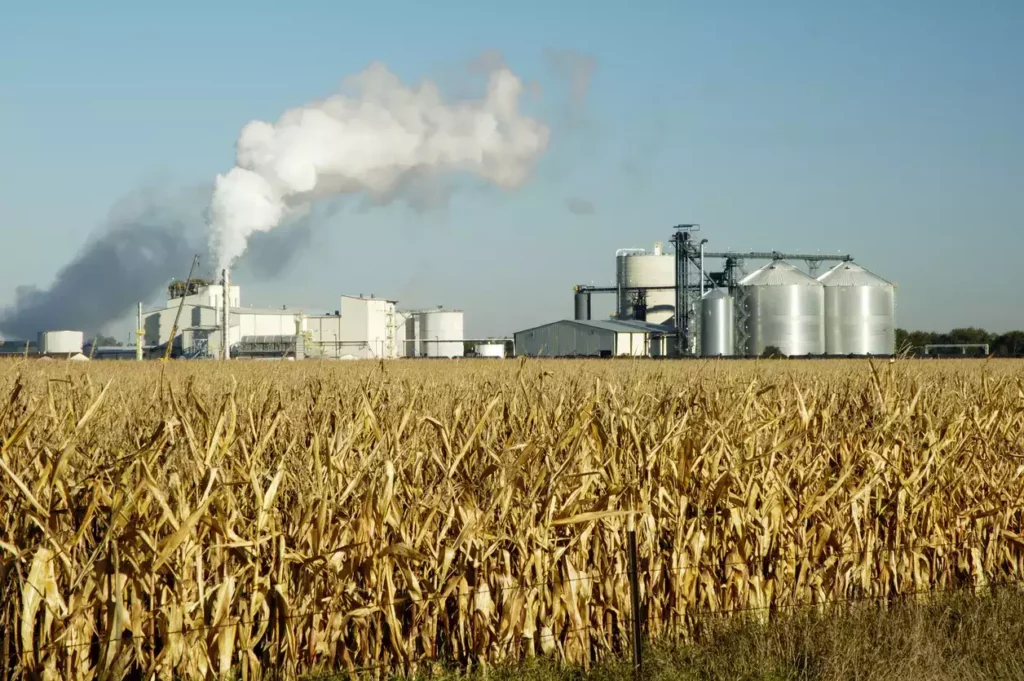
Brazil Seeks Biofuel Leadership Amid Global Competition
Japan plans a 20% blend by 2040, doubling demand to 9 billion liters. The U.S., holding 52% of global exports in 2024, competes fiercely, bolstered by Prime Minister Ishiba’s February pledge to buy more American ethanol.
Brazil, with a 28% share, leverages its low-emission edge, as Gussi highlights Japan’s recognition of this advantage. President Lula’s Japan visit aligns with this shift, aiming to diversify trade amid Trump’s policies.
Japan’s plans for sustainable aviation fuel, needing 1.7 billion liters annually by 2030, and ethanol-powered ships offer further opportunities. Brazil’s 2024 ethanol output hit 30 billion liters, driven by policies like RenovaBio, positioning it as a global biofuel leader.
The stakes rise as U.S. exports to Brazil nearly vanished since 2017 tariffs, despite Brazil’s duty-free access to the U.S. market until now. Gussi remains firm: Brazil won’t sacrifice its cleaner ethanol for a dirtier import.
Japan could offset U.S. losses, but competition looms large. This strategic pivot tests Brazil’s ability to balance trade tensions with sustainable growth, a story unfolding on the world stage.
More: Brazil news in English, every day from The Rio Times.
This article was produced by The Rio Times’ automated newsroom system. How we use AI · Report an error · Editorial responsibility: Matthias Camenzind, Editor-in-Chief
LatAm Markets: Live Signals → — real-time movers, turnover leaders and FX across Latin America.
Read More from The Rio Times