Southern Africa Braces for Exceptional El Niño, UN Agency Warns
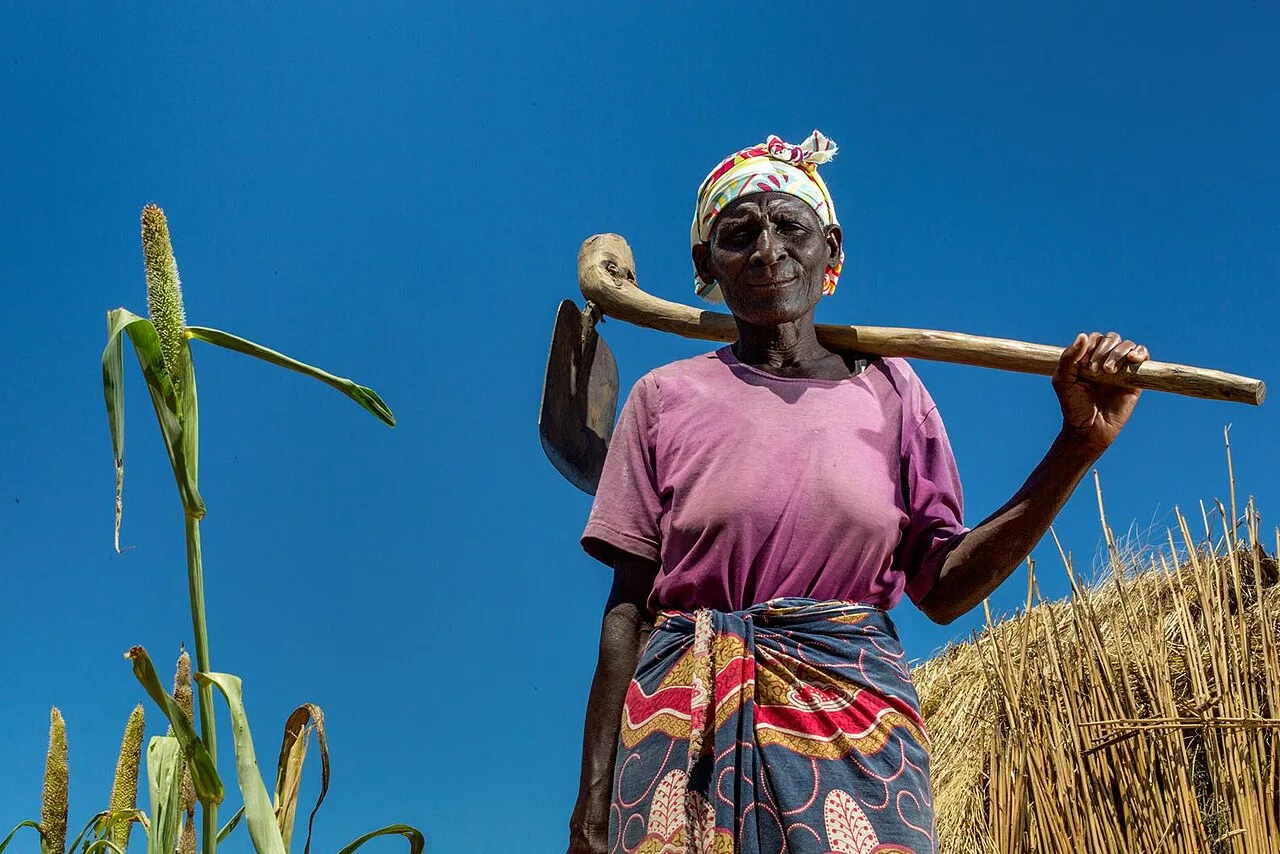
United Nations aid officials have put Southern Africa on alert for a rapidly intensifying El Niño that is forecast to reach exceptional strength just as the region’s farmers plant their main maize crop. The warning, issued on 28 August by the UN Office for the Coordination of Humanitarian Affairs (OCHA), urges governments to act now, months before any rains fail.
El Niño is a natural climate pattern in which surface waters of the tropical Pacific Ocean warm unusually, shifting rainfall around the globe. In Southern Africa, strong events typically bring a drier and hotter main rainy season.
A very strong event is now the likely outcome
According to the OCHA preparedness alert, El Niño has already developed in the Pacific and is projected to persist from July 2026 through March 2027, with a greater than 90 per cent likelihood of reaching very strong intensity. The peak is expected between October and December, exactly when Southern Africa’s rainy season begins.
US forecasters at NOAA issued a formal El Niño advisory on 11 June. Their Climate Prediction Center puts the odds of a very strong event, with sea temperatures in the key Niño 3.4 region at least 2°C above normal, at about 63 per cent, a level reached only by the record 1997-98 and 2015-16 events.
Why the region fears a repeat of the last drought
The 2023-24 El Niño brought the driest February in 40 years to Zambia and Zimbabwe and scorched the region’s maize belt. Zambia, Zimbabwe and Malawi all declared national disasters, and in Zambia about one million hectares of maize, nearly half the planted area, was affected.
The Southern African Development Community launched a regional appeal for at least US$5.5 billion to support more than 60 million people. Low water at the Kariba dam, shared by Zambia and Zimbabwe, also triggered severe power cuts.
The countries that suffered most then, Zambia, Zimbabwe and Malawi, top the exposure list again, with Mozambique, Madagascar, Namibia and Botswana also at risk, aid agencies say. Around 70 per cent of the region’s people depend on farming for food and income.
A region still recovering from floods
The warning lands on a region only just emerging from the opposite extreme. La Niña-linked heavy rains, floods and cyclones affected more than 2.36 million people across Southern Africa between December 2025 and April 2026, and Malawi alone launched a US$27.89 million response plan for more than 368,000 flood-hit people.
UN reporting as of July describes a region transitioning from flood response to recovery, with household food stocks and aid budgets already depleted. That leaves little cushion if the coming season fails.
What governments are being told to do
Aid agencies are urging governments to use the weeks before the October-November planting window to pre-position food, seed and water supplies, and to get drought-tolerant maize, sorghum and millet seed to farmers early. They are also told to review national drought contingency plans, ready anticipatory financing that releases money when forecasts cross agreed triggers, and prepare to scale up cash transfers and school feeding if the rains fail.
Water and power need special attention: the Zambezi basin dams, including Kariba, require careful management and contingency planning for another dry season. Agencies also want close monitoring of the Indian Ocean Dipole, a second ocean pattern that can amplify or soften El Niño’s impact on regional rains.
The lesson of 2023-24, officials say, is that early action costs a fraction of a full-scale hunger response. Whether governments and donors move faster this time will become clear within weeks.
This article was produced by The Rio Times’ automated newsroom system. How we use AI · Report an error · Editorial responsibility: Matthias Camenzind, Editor-in-Chief