The National Bank for Economic and Social Development (BNDES) has approved a loan of R$ 2.5 billion ($497 million) for São Paulo.
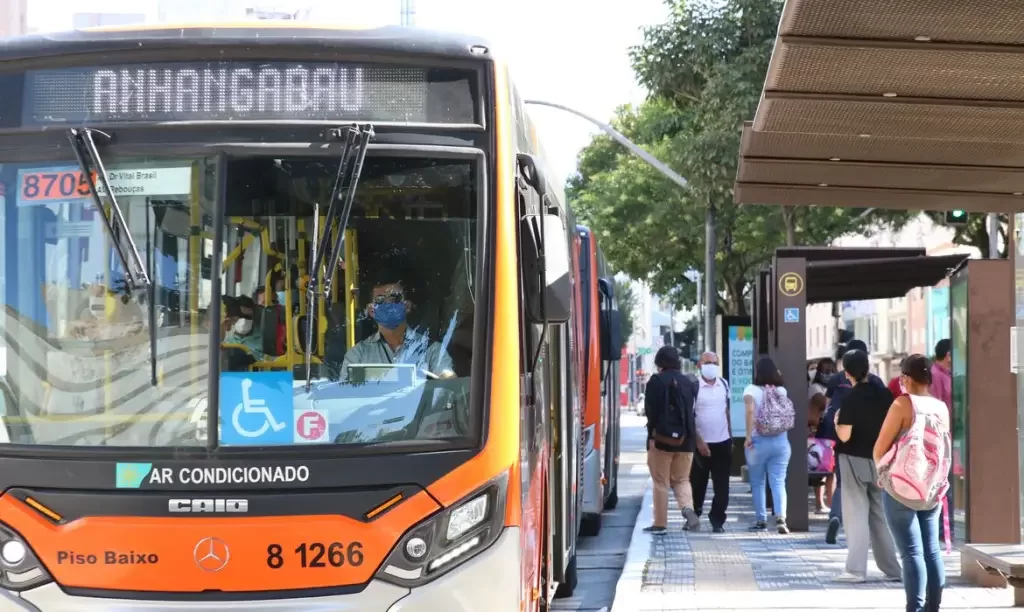
The money will go toward buying electric buses to modernize the city’s public transport.
The city plans to buy between 1,000 and 1,300 new electric buses with this loan. These new vehicles could replace about 10% of the city’s current 13,000-bus fleet.
A big benefit of this change is cleaner air. The project aims to reduce around 63,000 tons of CO2 emissions in São Paulo each year.
BNDES President Aloizio Mercadante provided some details. He said the electric buses are not just eco-friendly but also quieter.
Plus, they come with Wi-Fi and air conditioning to make rides more comfortable.
Implementation is set to begin soon, with a target date of 2024 for the new buses to be running.
The city aims to have 2,600 electric buses in total. This means replacing nearly 20% of all existing buses.
For this massive project, the total investment needed is R$ 8 billion ($1.59 billion at an exchange rate of 5.03).
The city will contribute R$ 6 billion ($1.19 billion), and bus operators will cover the remaining R$ 2 billion ($398 million).
Expensive Buses
Electric buses are expensive, costing about 3.5 times more than diesel buses. To manage this, the city will adjust its existing contracts with bus service providers.
The extra cost for the electric buses will be covered by the BNDES loan.
In the long term, electric buses are cheaper to operate and maintain than diesel ones. Therefore, the city expects to save money in the long run, even though the initial cost is high.
The bank formalized this loan in June 2023. The main goal is to make São Paulo greener and more resilient to climate change.
Additionally, the project will give a boost to local industries by encouraging the production of battery-operated buses.
More: Brazil news in English, every day from The Rio Times.
This article was produced by The Rio Times’ automated newsroom system. How we use AI · Report an error · Editorial responsibility: Matthias Camenzind, Editor-in-Chief
Living in or visiting São Paulo? See this month's events and our São Paulo city guide with rents, safety and upcoming concerts.