São Paulo and Rio de Janeiro Named Among the World’s Best LGBTQ Travel Destinations
Brazil · Tourism
Key Facts
—Global top 10 São Paulo ranked 3rd and Rio de Janeiro 9th worldwide for inclusive hospitality on a Booking.com survey of over 11,500 LGBTQIA+ travelers.
—892 inclusive stays São Paulo offers 892 accommodations with an inclusive seal, the highest number in Brazil, making it a reliable and welcoming base for LGBTQ visitors and expats.
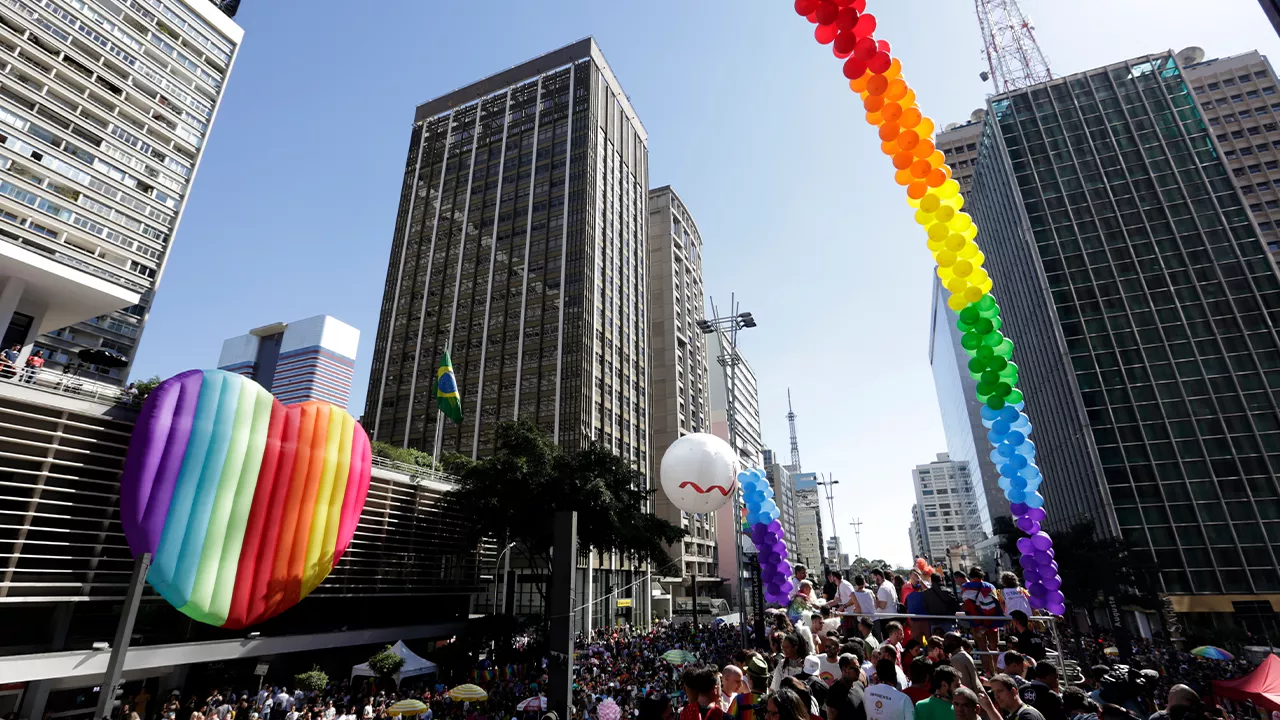
—World’s largest Pride São Paulo’s annual LGBTQ Pride Parade attracts between 3 and 5 million people, acting as a major driver of cultural tourism and local business every year.
—Rio named best in the world Grindr’s “Unwrapped 2025” user data report named Rio de Janeiro the best LGBTQ destination globally, citing its freedom, nightlife, and community comfort.
—Nationwide legal equality Brazil has legally recognized same-sex marriage since 2013 and enforces anti-discrimination protections, creating a strong legal foundation for LGBTQ expats and travelers.
São Paulo and Rio de Janeiro have been recognized among the world’s best LGBTQ travel destinations in a new global ranking, cementing their status as premier hubs for queer travelers and expats seeking vibrant culture and strong legal protections.
A New Global Ranking Highlights Inclusive Hospitality
A recent study by Booking.com, based on a survey of more than 11,500 LGBTQIA+ travelers, placed São Paulo in 3rd place and Rio de Janeiro in 9th position on its global list of cities with the most inclusive hospitality. The ranking, published by Brazil’s Ministry of Tourism, considered nearly 900 accommodations in São Paulo and over 600 in Rio de Janeiro that have earned an inclusive seal, confirming that both cities offer an extensive network of welcoming places to stay.
A Megacity Pride Scene Anchored by World-Class Events
São Paulo hosts what is widely considered the largest LGBTQ Pride parade on the planet, an event that regularly attracts 3 to 5 million participants to Avenida Paulista. The week-long celebration includes a cultural diversity fair with art shows, drag contests, and restaurant outings, turning the city into a global focal point for queer visibility. Casa Vogue’s ranking of the best LGBT+ destinations in Brazil awarded São Paulo top marks for nightlife, culture, and gastronomy.
Queer-Friendly Neighborhoods, Beaches, and Nightlife
The physical landscape of both cities is defined by specifically queer-friendly districts. In São Paulo, visitors and residents gravitate to Jardins, Consolação, Vila Madalena, and the Paulista corridor, where openness feels genuine. The Week, a superclub with locations in both São Paulo and Rio, is recognized as Brazil’s most famous LGBTQ+ nightclub, attracting world-class DJs and an after-midnight crowd.
Legal Framework and Urban Safety for Expats
Brazil provides a solid legal foundation that supports queer life and travel. Same-sex marriage has been legal nationwide since 2013, joint adoption by same-sex couples is permitted, and laws prohibit discrimination based on sexuality or gender in employment and housing. São Paulo state introduced early anti-homophobia laws between 2000 and 2001, well ahead of many other regions.
Why This Matters for LGBTQ Expats and Investors
The global rankings directly reflect the maturity of a local market that openly welcomes LGBTQ talent and capital. A dense infrastructure of inclusive hotels, dedicated event tourism, and citywide celebrations that draw millions of international visitors creates a robust economic ecosystem built around the queer community. For expats, this translates to a social environment where access to housing, leisure, and professional networks does not require hiding one’s identity.
More: Brazil news in English, every day from The Rio Times.
Frequently Asked Questions
Are São Paulo and Rio de Janeiro safe for LGBTQ travelers?
Yes, both cities are considered generally safe for LGBTQ travelers, especially in the main tourist neighborhoods. São Paulo’s Jardins and Vila Madalena districts, and Rio’s Ipanema and Copacabana beaches, are very welcoming. Standard big-city precautions, like using ride-hailing apps at night, are still recommended.
What is the biggest LGBTQ event in Brazil?
The São Paulo LGBTQ Pride Parade is recognized as the largest Pride parade in the world, attracting an estimated 3 to 5 million attendees to Avenida Paulista each year. Rio de Janeiro also hosts a massive Pride parade along Copacabana Beach that draws over one million people.
Is same-sex marriage legal in Brazil?
Yes, same-sex marriage has been fully legal nationwide in Brazil since 2013. Joint adoption by same-sex couples is also legal, and there are national laws against discrimination based on sexual orientation and gender identity in employment and housing.
Sources: Brazil enters global top 10 of inclusive hospitality with three cities on the LGBTQIAPN+ tourism ranking, São Paulo and Rio lead ranking of best LGBT+ destinations to travel in Brazil, IGLTA Brazil LGBTQ+ travel guide and historical rankings, Rio de Janeiro is listed among dream destinations on a specialized LGBTQIA+ tourism site, Grindr Unwrapped 2025 names Rio the best LGBTQ destination in the world
This article was produced by The Rio Times’ automated newsroom system. How we use AI · Report an error · Editorial responsibility: Matthias Camenzind, Editor-in-Chief
Living in or visiting São Paulo? See this month's events and our São Paulo city guide with rents, safety and upcoming concerts.