Ghana’s President Says Churches, Not Taxpayers, Should Pay for the National Cathedral
Ghana · ECONOMY
Key Facts
- —What happened President John Mahama said Ghana should not use taxpayers’ money for the National Cathedral, arguing that the Christian community can fund it privately.
- —How big Audit reporting has pushed the state cost of the project to roughly US$97 million in total, made up of about US$58 million already spent and US$39 million still owed to the contractor, in public money spent.
- —The catch The previous Akufo-Addo administration said it would rely on private donations, but public withdrawals were later confirmed, turning the cathedral into a proxy fight over fiscal discipline.
- —Who it hits Ghanaian taxpayers and public services, because every cedi diverted to the cathedral is money not spent on debt service, health or education during a period of inflation strain.
- —What comes next A forensic and audit process is underway, and the National Cathedral Secretariat has been dissolved after a damning audit report.
- —Why it matters The cathedral has become a symbol of elite spending during Ghana’s debt crisis, testing who controls national prestige projects and how transparency is enforced.
President John Mahama has drawn a hard line on National Cathedral funding: no more state money. The Christian community should pay for the project privately, he said, after audits put public spending at roughly US$97 million.
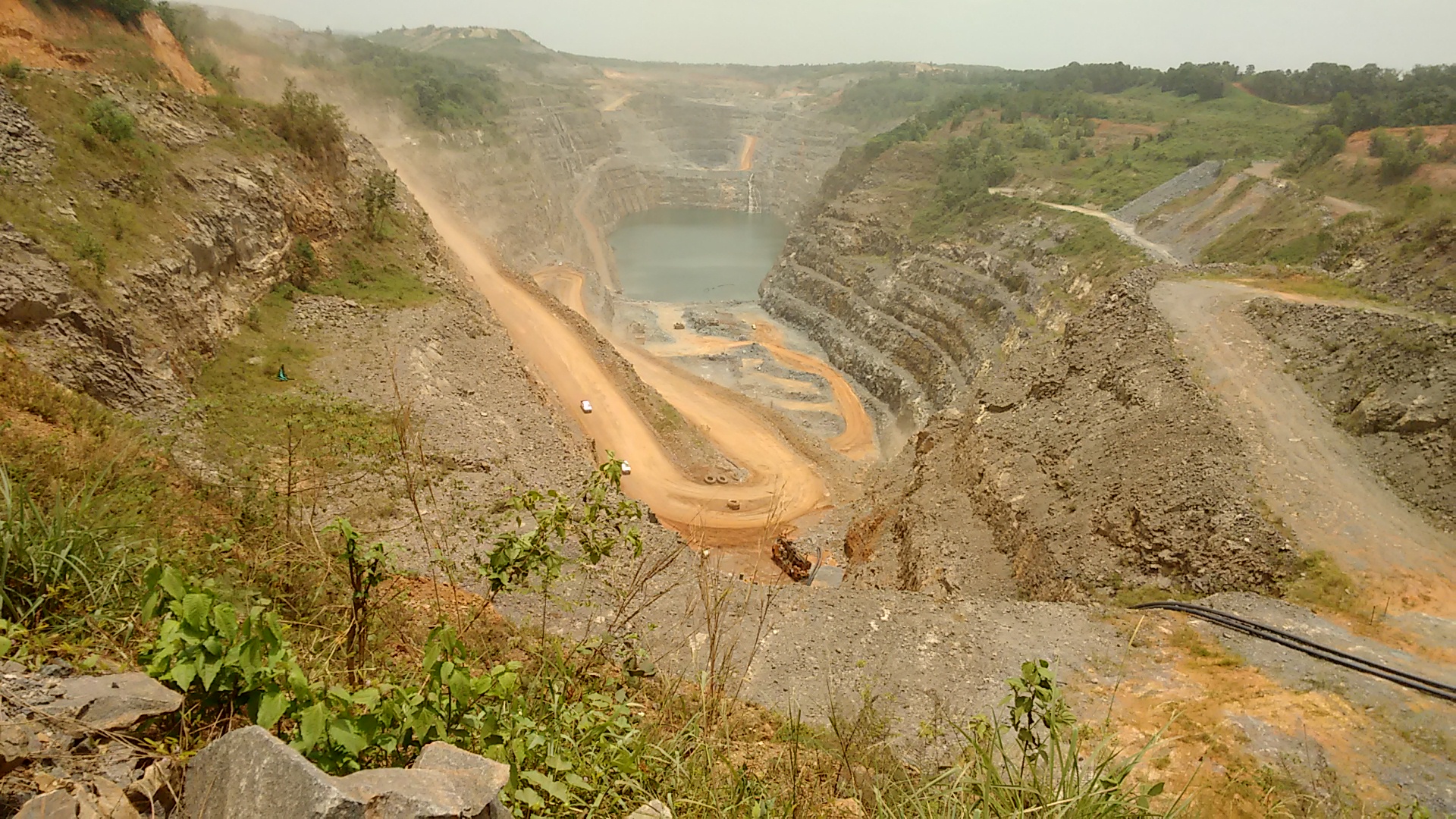
Ghana’s President John Mahama has said the state should stop funding the National Cathedral, a flagship project that became a lightning rod for anger over elite spending during the country’s debt and inflation crisis. His position, delivered through public statements and the government spokesman, marks a sharp break from the previous administration’s handling of the project.
Mahama draws a line on National Cathedral funding
President Mahama has argued that Ghana should not use taxpayers’ money for the National Cathedral. The Christian community, he said, can fund the project privately.
In April 2025, Felix Kwakye Ofosu, minister of state for government communications, said the government would not inject further public funds into the project. The statement confirmed a policy shift that had been signalled since Mahama took office.
Mahama also linked the issue to alleged misuse of public money. A forensic and audit process is underway, and the National Cathedral Secretariat was later dissolved after a damning audit report.
The money trail: from US$58 million to US$97 million
Earlier reporting cited about US$58 million of public money spent on the cathedral. Later government and audit reporting pushed the state cost to roughly US$97 million.
The jump in the figure deepened public frustration. Ghanaians were already dealing with high inflation and a painful debt restructuring when the spending came to light.
The cathedral was originally presented as a project that would rely on private donations. Public withdrawals were later confirmed, contradicting the earlier assurances from the Akufo-Addo administration.
A proxy fight over fiscal discipline and transparency
The National Cathedral has become more than a building project. It is now a proxy fight over fiscal discipline, transparency and who controls national prestige projects.
For investors and professionals watching Ghana, the dispute signals how the new government intends to handle public money. Mahama’s stance suggests a tighter approach to discretionary spending.
The cathedral sits within a broader state-religion legitimacy debate. Questions about whether a secular state should fund a religious monument have added another layer to the controversy.
Who gains and who loses from the funding halt
Taxpayers are the clearest winners if state funding stops. Every cedi not spent on the cathedral can go toward debt service, health or education.
Contractors and consultants tied to the project may lose out. The dissolution of the Secretariat also means administrative jobs linked to the cathedral are gone.
Religious groups that support the cathedral will now need to raise funds privately. That could slow the project or force a redesign of its financing model.
The regional read-through for West Africa
Ghana’s cathedral dispute echoes debates across West Africa about public spending on prestige projects. Nigeria, Senegal and Côte d’Ivoire have all faced similar questions about monuments versus basic services.
For international investors, the episode is a test of governance. How Ghana resolves the audit findings will signal whether accountability is real or rhetorical.
The case also fits a wider pattern of African governments renegotiating the relationship between state and religious institutions. It is a governance story as much as an economic one, part of the shifting landscape covered in Africa: The New Scramble.
What to watch next
The forensic audit is the key document to follow. Its findings will determine whether any individuals face legal consequences for the spending.
Mahama’s government has already dissolved the Secretariat. The next step is likely a formal policy statement on how, if at all, the cathedral project continues without state funding.
For markets, the signal is clear: Ghana’s new administration is prioritising fiscal restraint. Whether that translates into lower borrowing costs or improved investor confidence will become clearer in the coming months.
Frequently Asked Questions
Did Mahama say Ghana will stop funding the National Cathedral?
Yes. President Mahama said Ghana should not use taxpayers’ money for the National Cathedral, and his communications minister confirmed in April 2025 that the government would not inject further public funds.
How much public money was spent on the National Cathedral?
Audit reporting has put the state cost at roughly US$97 million in total, made up of about US$58 million already spent and US$39 million still owed to the contractor, in public money spent.
What happened to the National Cathedral Secretariat?
The Secretariat was dissolved after a damning audit report, and the forensic audit is complete and with the attorney general.
Connected Coverage
Sources
This article was produced by The Rio Times’ automated newsroom system. How we use AI · Report an error
LatAm Markets: Live Signals → — real-time movers, turnover leaders and FX across Latin America.
Read More from The Rio Times