Racine Sagath, a Leading Voice of Cameroon’s Bikutsi Music, Dies in Yaounde
Cameroon · CULTURE
Key Facts
- —What happened Cameroonian bikutsi artist Racine Sagath, whose civil name was Paul Bede Onye, died on 12 September 2026 after a long illness.
- —Who confirmed it The death notice was published by Actu Cameroun on 13 September 2026.
- —The backdrop In January 2026, Health Minister Manaouda Malachie visited Sagath at the Hôpital Général de Yaoundé while he was under care.
- —The money angle Public appeals in late 2025 said his treatment could cost 3 million CFA francs, about US$5,300, showing how artists often rely on patronage and online fundraising.
- —What comes next His death is likely to renew debate about social protection for cultural figures in Cameroon.
Racine Sagath dies at the end of a long illness that had already drawn Cameroon’s health minister to his bedside and sparked public fundraising appeals. The bikutsi artist, whose civil name was Paul Bede Onye, died on 12 September 2026, according to a notice published by Actu Cameroun.
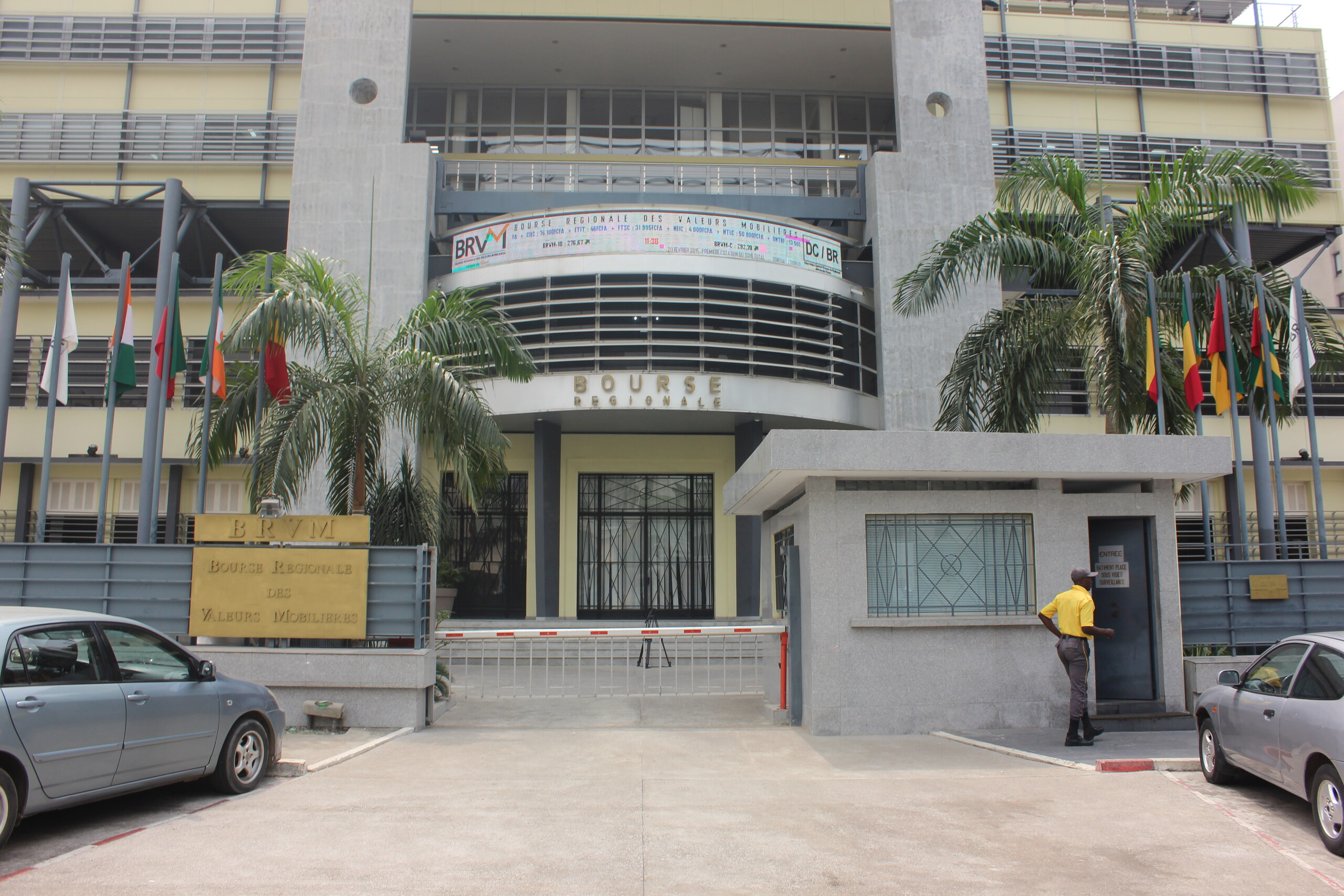
Cameroonian bikutsi artist Racine Sagath has died after a long illness. The death notice, published by Actu Cameroun on 13 September 2026, reported that the musician, whose civil name is given as Paul Bede Onye, died the previous day.
A bikutsi voice falls silent
Racine Sagath was known for his work in bikutsi, one of Cameroon’s most distinctive musical traditions. The genre, rooted in the rhythms of the Beti people of the Centre region, has long been a vehicle for social commentary and dance-floor energy.
His death closes a chapter for a style that has produced some of the country’s most recognisable sounds. Yet Sagath’s final months were marked less by music than by a very public struggle with illness.
Reports in January 2026 said Cameroon’s Health Minister Manaouda Malachie visited him at the Hôpital Général de Yaoundé. The visit placed Sagath’s condition firmly in the public eye.
A health crisis becomes a public affair
The hospital later denied social-media claims that Sagath had been expelled for unpaid bills. That rebuttal showed how quickly a personal health crisis can become a reputational and political issue in Cameroon’s tightly managed media space.
Public appeals for help had circulated since late 2025. Some of those appeals said his treatment could cost 3 million CFA francs, about US$5,300, a figure that underlined the financial pressure on artists without robust safety nets.
The state’s visible involvement, through the minister’s visit, suggested a degree of official concern. But the hospital’s denial also revealed the sensitivity around how institutions are perceived to treat cultural figures.
The money and power stakes
Cameroon’s cultural sector has long operated on a mix of patronage, state visibility and informal support. When an artist falls ill, that patchwork is tested in real time.
The 3 million CFA francs, about US$5,300 figure cited in public appeals is a reminder of how expensive serious medical care can be in a country with limited social protection. For many artists, income is irregular and savings are thin.
Sagath’s case fits a broader pattern across Central Africa, where cultural workers often depend on the goodwill of officials, fans and online communities. The hospital’s public statement also shows how institutions guard their reputations when rumours spread.
What Racine Sagath’s death reveals about Cameroon
The episode highlights the fragile position of artists in Cameroon’s economy. Music is a major cultural export, yet the people who make it often lack formal support when crisis hits.
The minister’s January visit to the Hôpital Général de Yaoundé was a signal that the state recognised Sagath’s importance. But recognition does not always translate into sustained financial or medical support.
For readers following the wider scramble for influence and resources across Africa, culture is part of the story. The soft power of music matters, and the conditions in which artists live and die say something about a country’s priorities.
A regional read-through
Across Central Africa, cultural figures frequently become symbols in moments of crisis. Their illnesses, debts and deaths are discussed not just as personal matters but as reflections of state capacity and social solidarity.
Sagath’s death may prompt renewed calls for better support systems for artists in Cameroon. It could also reignite conversations about how the country treats its cultural heritage while its creators are still alive.
The pattern is familiar to observers of the continent’s creative economies. As the Africa: The New Scramble pillar documents, culture, money and power are increasingly intertwined in the competition for influence.
What to watch next
Tributes and memorial plans are likely to follow in the coming days. The response from Cameroon’s cultural community and state institutions will be closely watched.
Questions about how Sagath’s medical costs were managed may also resurface. The hospital’s earlier denial of expulsion claims suggests that the narrative around his final months remains contested.
For now, the immediate fact is the loss of a bikutsi voice. The longer-term question is whether Cameroon will do more to protect the artists who carry its culture.
Frequently Asked Questions
Who was Racine Sagath?
Racine Sagath was a Cameroonian bikutsi artist whose civil name was reported as Paul Bede Onye.
When did Racine Sagath die?
He died on 12 September 2026 after a long illness, according to a death notice published by Actu Cameroun on 13 September 2026.
What happened during his illness?
In January 2026, Health Minister Manaouda Malachie visited him at the Hôpital Général de Yaoundé, and public appeals said his treatment could cost 3 million CFA francs, about US$5,300.
Connected Coverage
Sources
This article was produced by The Rio Times’ automated newsroom system. How we use AI · Report an error
Read More from The Rio Times