Russia’s Africa Corps Is Quietly Redrawing the Map of the Sahel
Sahel · Geopolitics
Key Facts
—The shift. Sahel juntas in Mali, Burkina Faso and Niger have expelled French and US forces and turned to Russia.
—The force. Russia’s Africa Corps, successor to Wagner, is estimated by analysts at around 3,500 fighters in Mali.
—Not just Russia. China is deepening security ties too, from naval drills to training thousands of African personnel.
—The retreat. The US lost its main drone base in Niger and is rethinking its military footprint across the continent.
Russia’s Africa Corps has become the clearest symbol of a quiet revolution across the Sahel, the vast band of land below the Sahara where one government after another has shown the West the door. In the space of a few years, the region’s security map has been redrawn, and the new lines point east.
A region that turned its back on the West
For decades, France and the United States were the dominant outside powers in the Sahel. They ran bases, trained armies and led the fight against the jihadist groups that haunt the region.
A wave of military coups changed everything. Between 2020 and 2024, soldiers seized power in Mali, Guinea, Burkina Faso, Niger, Gabon and Sudan, and many of the new rulers wanted Western forces gone.
Niger was the sharpest break of all. It had hosted around a thousand American troops and a major drone base, both of which it ordered to leave.
What Africa Corps actually is
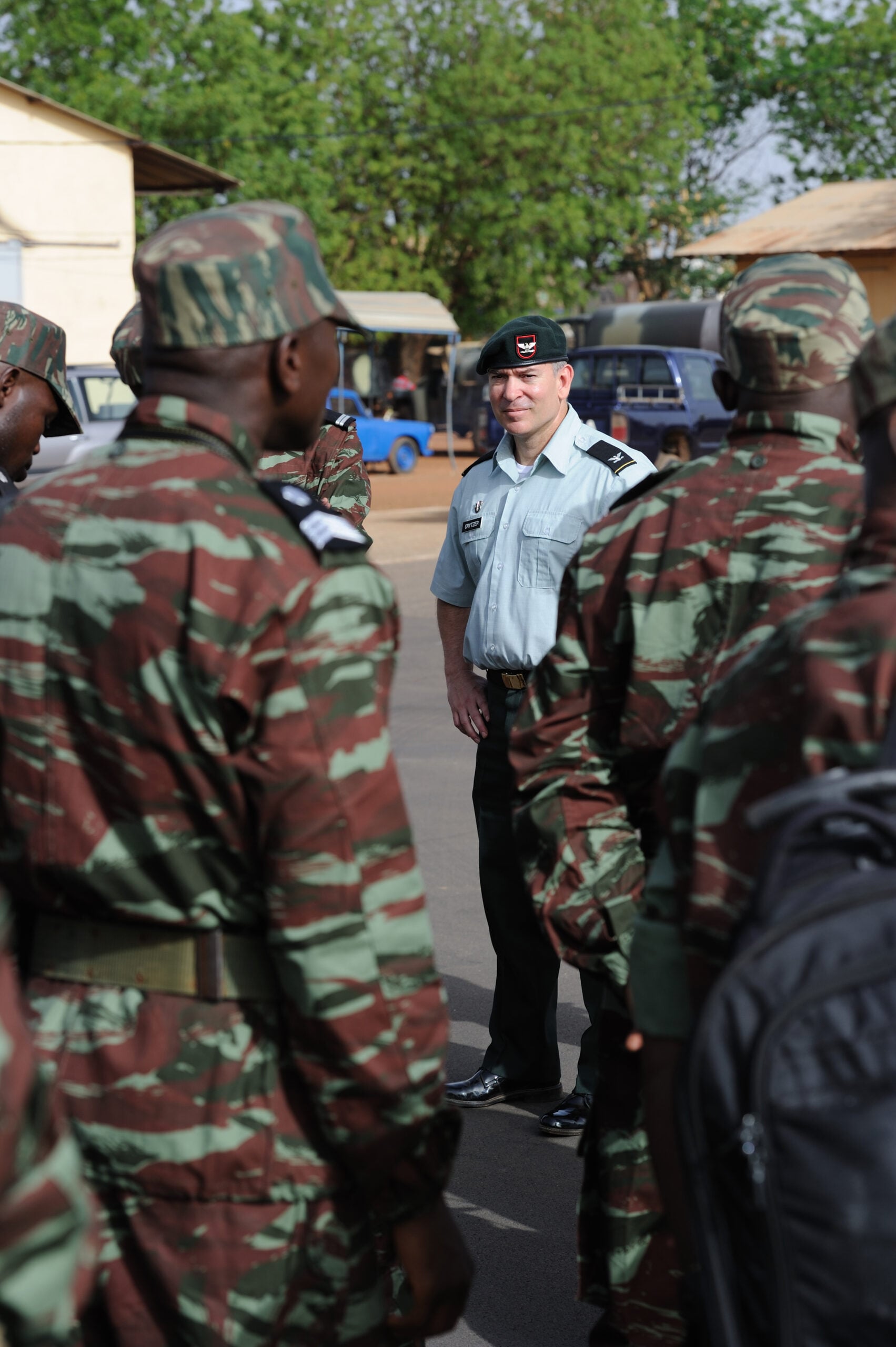
Into that vacuum stepped Russia. Africa Corps is the Russian state’s successor to the Wagner mercenary group, brought more tightly under the defence ministry’s control.
In Mali, analysts who track the deployment put its strength at roughly 3,500 fighters, with more reported to be on the way. Their role runs from guarding the government to training local troops and joining counterinsurgency operations.
For the juntas, the appeal is simple. Russia offers guns and security without the lectures on democracy and human rights that came with Western help.
A bigger contest than Russia alone
It would be a mistake to read this as only a Russian story. China is steadily deepening its own security role across Africa, alongside its long-standing economic one.
Earlier in 2026, Chinese, Russian, Iranian and South African forces held a joint naval exercise off South Africa’s coast. Under its latest cooperation plan, Beijing has also pledged to train thousands of African military and police personnel.
The result is a crowded field. Africa’s governments increasingly shop for security partners the way they shop for trade deals, playing suitors against one another.
What the West is doing now
Washington has not left the continent, but it is rethinking how it stays. It has kept a foothold by other means, deploying small training contingents elsewhere and stepping up drone strikes against militants in Nigeria and Somalia.
Inside the Pentagon, the very structure of American engagement is under review. The loss of the Niger base forced a hard look at what a smaller, smarter presence might look like.
France, once the indispensable power in its former colonies, has been pushed to the margins. Its retreat marks the end of an era that shaped the region for sixty years.
Why the Africa Corps story matters
The stakes reach well beyond the desert. The Sahel sits on important mineral wealth, lies astride migration routes toward Europe, and is a front line against some of the world’s most active jihadist insurgencies.
Whether the new partnerships actually make people safer is still an open question. Violence has not obviously fallen, and rights groups warn that abuses have risen in some areas.
What is clear is that the old order has gone. The contest now playing out in the Sahel is a small, sharp preview of a more multipolar world.
The view from African capitals
It is worth hearing how this looks from the Sahel itself, not only from Paris or Washington. Many citizens cheered the departure of former colonial troops as a long-overdue assertion of sovereignty.
Their governments frame the new partnerships as a free choice between equals, not a surrender to a new patron. Whether that proves true will depend entirely on what those partnerships actually deliver.
A test for the rest of the continent
Leaders elsewhere in Africa are watching the Sahel closely. If the eastern tilt brings genuine stability, others may be tempted to follow; if it brings only dependency, the appeal could fade quickly.
For Western capitals, the lesson is uncomfortable but plain. Influence in Africa can no longer be assumed, and it now has to be earned against serious competition.
Europe in particular has a direct stake in how this plays out, because instability in the Sahel rarely stays in the Sahel. Its effects travel north along the very routes that people do.
Connected Coverage
BRICS 2026: the bloc reshaping the global order
Frequently Asked Questions
What is Africa Corps?
Africa Corps is the Russian state’s successor to the Wagner mercenary group, run more directly by the defence ministry. It provides security and military training to allied governments, most prominently in Mali.
Why did Sahel countries turn away from France and the US?
A run of military coups brought to power leaders who resented Western conditions and what they saw as failed security partnerships. They expelled French and US forces and looked to Russia instead.
Is China also involved in Sahel security?
Increasingly, yes. China has joined naval drills with Russia and South Africa and pledged to train thousands of African military and police personnel under its latest cooperation plan.
Key Topic · Africa
Africa: The New Scramble — the powers fighting over the last frontier →
This article was produced by The Rio Times’ automated newsroom system. How we use AI · Report an error · Editorial responsibility: Matthias Camenzind, Editor-in-Chief
Great Powers in Africa
- Africa: The New Scramble
- DP World and AD Ports Drive Gulf States Africa Investment as Saudi Deals Follow
- China Slashes Africa Lending 46% as Kenya and Angola Race to Refinance Old Debts
- Foreign Powers and Investors in South Africa 2026