Rio Tinto–Glencore Talks Hint At A Mining Mega-Merger, And Vale’s Next Challenge
Key Points
- Rio Tinto and Glencore confirmed early-stage talks that could create a mining group about $260 billion in enterprise value.
- Copper growth is the logic, but coal exposure and Glencore’s trading arm are the main deal-breakers.
- Even without a merger, the talks signal consolidation—and fiercer competition for assets and capital.
Glencore says it is in preliminary discussions about being acquired by Rio Tinto, potentially through an all-share transaction covering some or all businesses. The companies stress there is no firm offer and no certainty of agreement.
Markets reacted anyway: Glencore’s U.S.-listed shares rose about 6% after the confirmation, while Rio’s U.S. line fell about 0.6%, reflecting caution about the buyer absorbing complexity.
The numbers are enormous. Rio’s market value has been around $142 billion and Glencore’s about $65 billion. Press reporting has pointed to a combined enterprise value about $260 billion—big enough to sit at the top of global mining.
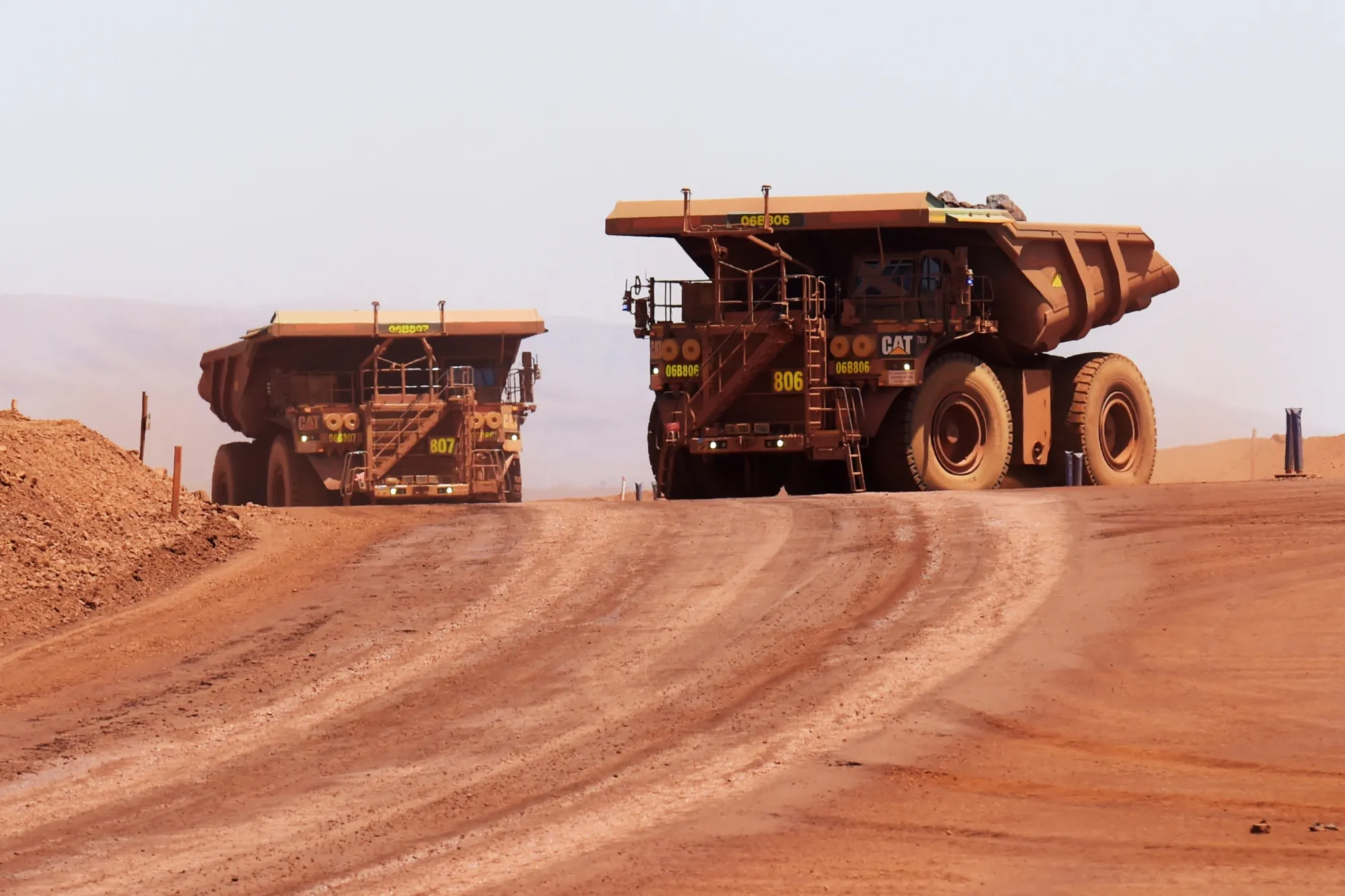
Copper is the strategic prize. New mines take years, permits are tougher, and high-quality deposits are scarce. Copper demand is tied to power networks, data infrastructure, and industrial modernization, so miners want scale now, not later.
Rio Glencore deal faces timing pressure
The hard part is fit. Rio is a traditional miner anchored by iron ore. Glencore is a hybrid: producer, global commodities trader, and significant coal supplier. Coal can throw off cash, but it attracts political and reputational risk.
Trading can add profit, but it adds fast-moving exposures and heavier oversight. That mix makes carve-outs or asset sales a likely condition of any workable transaction.
There is also a clock. Under UK takeover rules, Rio is reported to face a “put up or shut up” deadline of 5:00 p.m. London time on February 5, 2026, unless authorities extend it.
For Vale, the near-term issue is not iron-ore tonnage. It is momentum in “future metals.” A bigger rival with a stronger copper story could bid harder for scarce assets, lift valuations, and pull more investor capital—raising the bar across the industry. Yet our reporting has shown that the copper market’s deep disagreement over long-term value has repeatedly frustrated mega-merger logic, most recently saving Vale’s throne when the same two suitors walked away from a deal in February 2026 precisely because they could not agree on what copper is worth.
Related coverage: Brazil’s Morning Call | Why Brazil’s 2026 Election Matters Globally: Trust, Tech, An This is part of The Rio Times’ daily coverage of Brazil affairs and Latin American financial news.
This article was produced by The Rio Times’ automated newsroom system. How we use AI · Report an error · Editorial responsibility: Matthias Camenzind, Editor-in-Chief
Read More from The Rio Times