Rio Agrees to Share Its River as São Paulo’s Reservoirs Run Low
Brazil
Key Facts
Rio de Janeiro has quietly agreed to share more of the river it leans on most, a neighbourly gesture that is not without risk to its own water security.
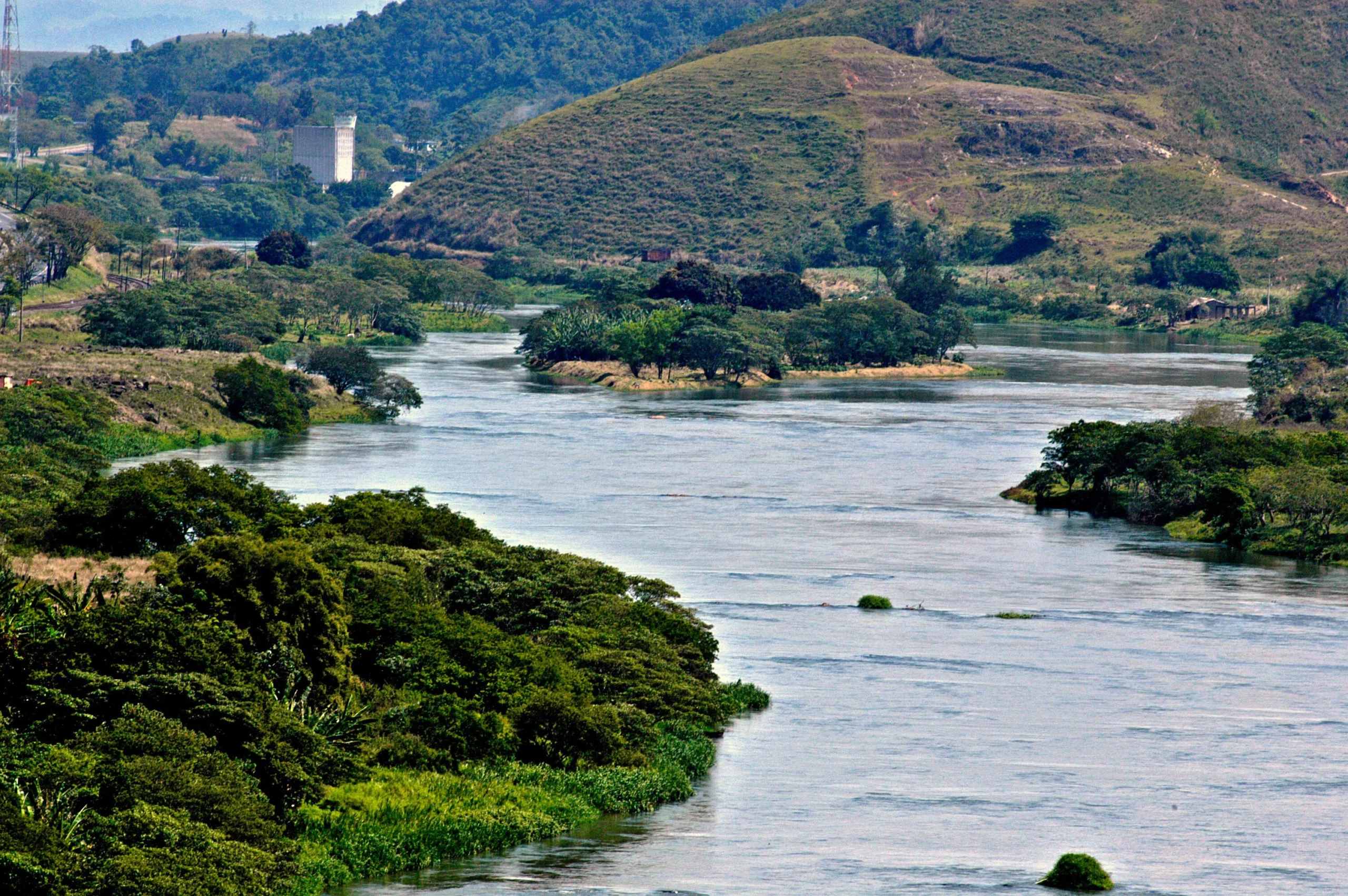
An accord signed this week in Brasília lets drought-hit São Paulo pull extra water from the Paraíba do Sul, a long river that winds through São Paulo, Minas Gerais and Rio de Janeiro before reaching the sea. All three states and the national water agency signed it.
The headlines have framed it as a rescue for São Paulo, whose main reservoir system has slumped to roughly a third of capacity. Seen from Rio, the same deal looks different, because Rio holds the largest stake in the river being tapped.
For a foreign reader, the simple point is that two of Brazil’s biggest population centres now openly depend on the same stretch of water. When one runs short, the other is asked to give a little, and the arithmetic of who gives what becomes a delicate matter of state.
What Rio de Janeiro is giving up
The Paraíba do Sul basin covers more than sixty thousand square kilometres, and the largest slice, close to twenty-seven thousand, lies inside Rio de Janeiro state. The river is the backbone of water supply for much of the state, including its densely populated metropolitan belt.
Under the accord, São Paulo can move more water from a reservoir on the river into its own Cantareira network, easing the drought upstream, where the national water agency’s live tracker of the system shows reserves near a third full. The catch for Rio is that water diverted near the source is water that does not flow downstream.
The deal tries to manage that. São Paulo’s utility is made responsible for offsetting any harmful drop it causes in the chain of hydroelectric reservoirs along the river, several of which sit between the diversion point and Rio.
There are limits and an exit. The extra draw is capped, it lapses at the end of 2026, and it is supposed to stop sooner if São Paulo’s reservoirs climb back to a comfortable sixty percent, a clause meant to stop a temporary favour becoming a permanent claim.
Why the Rio de Janeiro water question matters
Rio de Janeiro is Brazil’s second-largest state economy and the heart of its oil and gas industry, so the reliability of its water and power supply is not a parochial concern. A shared river that is also dammed for electricity ties water security and energy together.
The episode is a preview of a sharpening regional problem. As droughts grow more frequent, neighbouring states will increasingly bargain over the same rivers, and accords like this one show the machinery Brazil uses to keep those disputes orderly.
For now the tone is cooperative, with a federal referee, clear caps and a built-in expiry. The test will come if the drought drags on, because a favour that has to be renewed again and again is where neighbourly goodwill starts to fray.
More: Brazil news in English, every day from The Rio Times.
Frequently Asked Questions
What did Rio de Janeiro agree to?
Rio de Janeiro signed a three-state accord this week, alongside São Paulo, Minas Gerais and the national water agency, allowing São Paulo to draw extra water from the Paraíba do Sul river. Rio holds the largest share of that river basin, so the deal effectively lets an upstream neighbour take more of a resource Rio relies on.
Does this put Rio’s water supply at risk?
The deal includes safeguards: São Paulo’s utility must offset any harmful drop it causes in the river’s reservoirs, the extra draw is capped, and the arrangement expires at the end of 2026 or sooner if São Paulo’s reservoirs recover. The risk grows mainly if the drought persists and the favour has to be repeatedly renewed.
Why does the Paraíba do Sul matter so much?
The river runs through São Paulo, Minas Gerais and Rio de Janeiro and is dammed for both water supply and hydroelectric power. Because two of Brazil’s largest population centres lean on it, how its flow is shared during a drought has direct consequences for millions of people and for the regional economy.
Connected Coverage
› Rio de Janeiro Safety in 2026: An Institutional and Analytical Review for Expats
› Brazil 2026 Elections: Guide to Candidates, Polls and Key Dates
This article was produced by The Rio Times’ automated newsroom system. How we use AI · Report an error · Editorial responsibility: Matthias Camenzind, Editor-in-Chief
Read More from The Rio Times