Rio de Janeiro Heads Toward Two Votes for Governor in 2026
BRAZIL · POLITICS
Key Facts
—Caretaker in charge:. The president of Rio’s state court is serving as interim governor by Supreme Court decision.
—How it happened:. The seat opened after the elected governor and his deputy both left office.
—Still pending:. The Supreme Court has not yet ruled whether the stopgap election is direct or indirect.
—October vote:. A regular election for a full term is scheduled for October, with several pre-candidates in the field.
—Latin American impact:. An unusual succession in one of Brazil’s most prominent states, with national political weight.
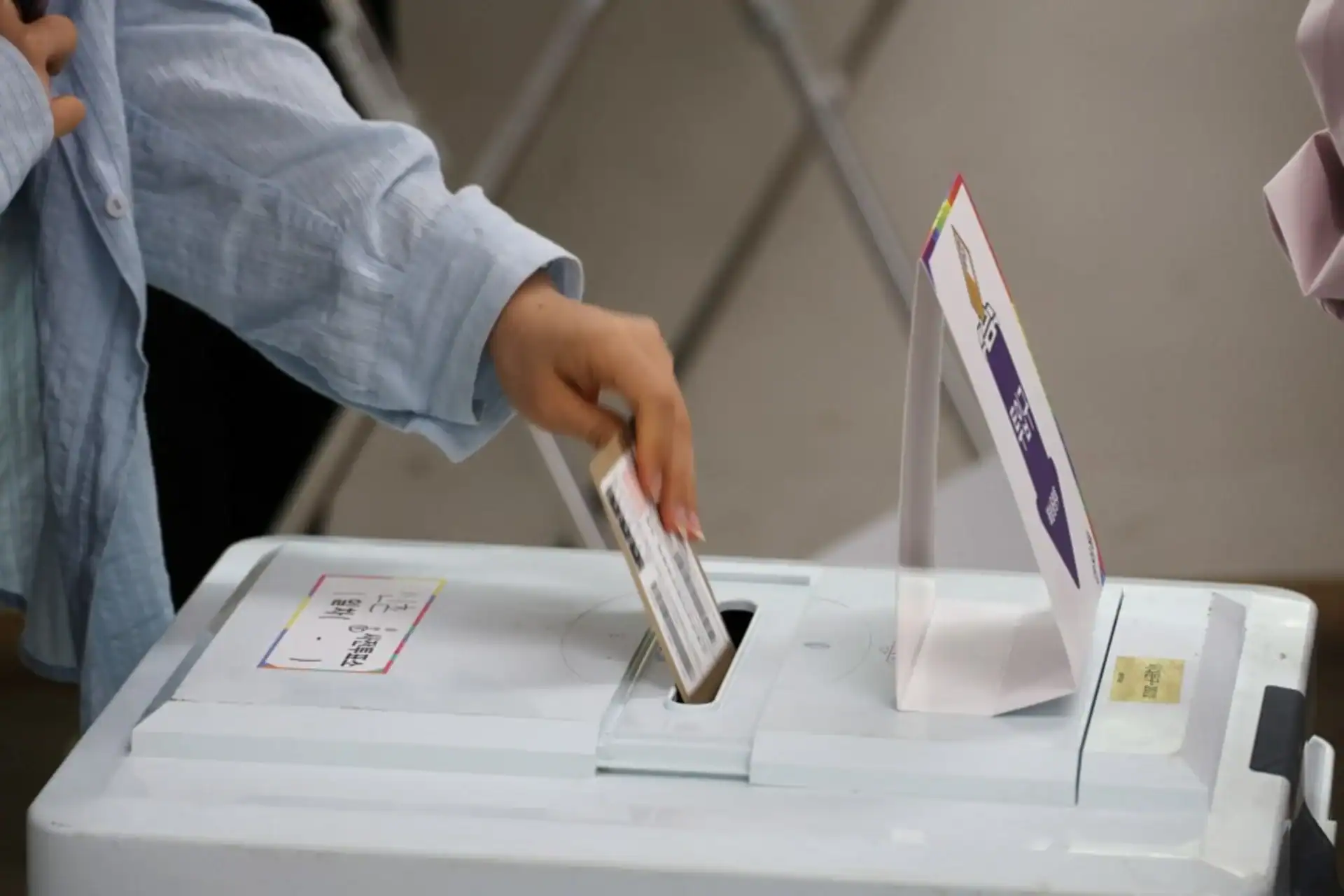
Rio de Janeiro is heading toward an unusual situation: it may hold two elections for governor within months, even as a caretaker runs the state and the Supreme Court has yet to decide how the vacancy should be filled.
How Rio ended up without an elected governor
The vacancy followed the departure of the state’s elected leadership. The vice governor elected in 2022 left to take a seat on the state audit court, and the governor then stepped down as well, in a case tied to an electoral court ruling that made him ineligible.
With both the governor and deputy gone, the line of succession moved to the judiciary. The president of the Rio de Janeiro state court, Ricardo Couto de Castro, took over as interim governor.
The Supreme Court later affirmed that he should remain in the post until the justices settle the rules for filling the seat. The court framed this as a collective decision of its full bench, not a single justice’s order.
The unresolved question for the next governor
The central legal question is how the stopgap term should be filled. One path is a direct election, in which voters choose the governor; the other is an indirect vote, decided by the state legislature’s 70 deputies.
The Supreme Court began considering the matter but paused after one justice asked for more time, pending the formal publication of the electoral court’s ruling against the former governor. That document bears on whether a fresh election is warranted and in what form.
Until the justices decide, the caretaker arrangement stands. The question of who leads the state in the interim, and how that person is chosen, therefore remains open.
The October election and who is running
Separately from the stopgap question, Rio is due to hold its regular election in October, for a governor who would serve a full term. That vote follows the national calendar, with a possible second round later in the month.
Several names have entered the field as pre-candidates. Among those who have confirmed they will run are the Rio mayor, Eduardo Paes, of the Social Democratic Party, and federal deputy Douglas Ruas, of the Liberal Party, who now presides over the state legislature.
Other parties across the spectrum are expected to field their own candidates, and alliances are still being negotiated. The lineup is not final, and registrations and coalitions can change before the official campaign.
Frequently Asked Questions
Who is running Rio de Janeiro right now?
The president of the state court, Ricardo Couto de Castro, is serving as interim governor, by a Supreme Court decision that keeps him in place until the rules for the vacancy are settled.
Why might there be two elections?
One vote, still undecided in form, would fill the remaining stopgap term; the regular election in October would choose a governor for a full term. They are separate processes on different timelines.
What has the Supreme Court not yet decided?
Whether the stopgap election should be direct, by voters, or indirect, by the state legislature. The matter was paused pending a related electoral court ruling and has not been concluded.
When is the regular election?
In October, following Brazil’s national election calendar, with the winner due to take office in early January 2027.
Who are the declared pre-candidates so far?
They include the Rio mayor, Eduardo Paes, and federal deputy Douglas Ruas, among others. The field is not final, and parties are still negotiating alliances.
Connected Coverage
For another current institutional question before Brazil’s top court, see our report on Sao Paulo’s civic-military schools vote. For the wider economic backdrop, see our coverage of the federal budget freeze.
This article was produced by The Rio Times’ automated newsroom system. How we use AI · Report an error
Read More from The Rio Times