RFK Jr. Confirmed as HHS Secretary: A New Era for U.S. Health Policy
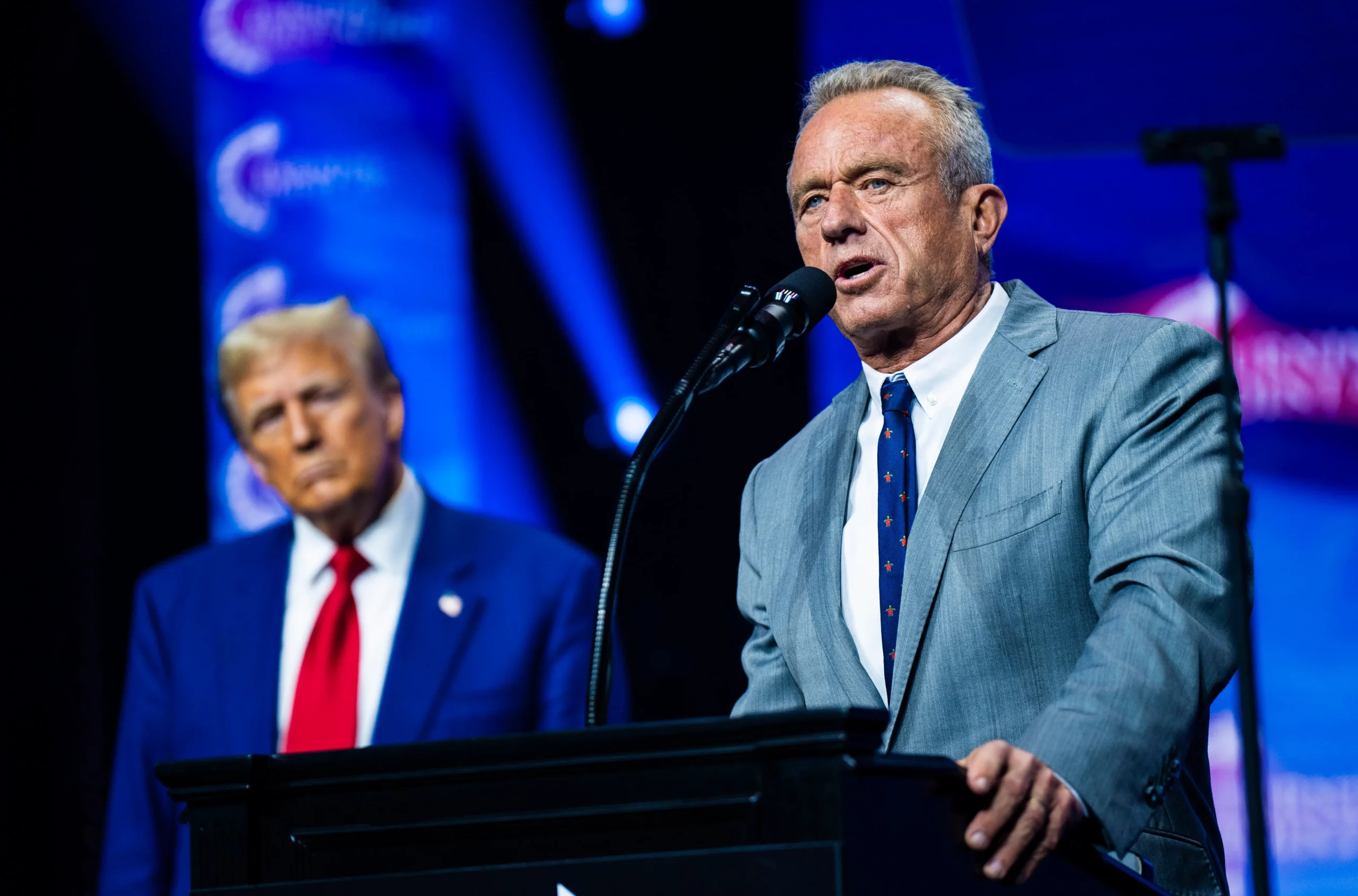
Robert F. Kennedy Jr. has been confirmed as the new Secretary of Health and Human Services, marking a significant shift in U.S. health policy.
Kennedy, known for his opposition to vaccine mandates and vaccine passports, secured the position after a contentious Senate confirmation process. Kennedy’s appointment signals a dramatic change in the approach to public health in the United States.
He has long advocated for individual choice in medical decisions, particularly regarding vaccinations. This stance aligns with his broader philosophy of personal freedom and limited government intervention in healthcare.
[arve url=”https://www.riotimesonline.com/wp-content/uploads/2025/01/RFKJrConfirmedasUSHH.mp4″ loop=”true” autoplay=”true” /]
The new HHS Secretary’s views on vaccine mandates are expected to reshape federal health guidelines. Kennedy has consistently argued against coercive vaccination policies, stating that they infringe on personal liberties.
His leadership may lead to the rollback of existing vaccine requirements and prevent the implementation of new ones. Kennedy‘s opposition to vaccine passports is likely to have far-reaching implications.
These digital health certificates, used in many countries to verify vaccination status, may now face resistance at the federal level. This could impact international travel policies and domestic regulations tied to vaccination status.
Kennedy’s HHS Leadership
The global health community is closely watching these developments. Kennedy’s appointment may influence other nations’ approaches to public health, potentially sparking a broader debate on the balance between individual freedom and collective health measures.
Critics worry that Kennedy’s stance could undermine efforts to combat infectious diseases. However, supporters argue that his approach will foster greater trust in public health institutions by respecting individual choice.
Kennedy has pledged to focus on transparency in vaccine safety data and to promote what he calls “health freedom.” This approach may lead to increased funding for vaccine safety studies and a reevaluation of current vaccination schedules.
The business world is also anticipating changes. Companies involved in vaccine development and digital health passports may need to adapt to a new regulatory environment.
Conversely, businesses that have opposed vaccine mandates may find a more sympathetic ear in the new HHS leadership. As Kennedy takes office, the world watches to see how his views will translate into policy.
His tenure as HHS Secretary promises to be a pivotal moment in U.S. health policy, with potential ripple effects across the globe. The coming months will reveal the full extent of this shift in America’s public health approach.
More: Brazil news in English, every day from The Rio Times.
This article was produced by The Rio Times’ automated newsroom system. How we use AI · Report an error · Editorial responsibility: Matthias Camenzind, Editor-in-Chief