Repsol Venezuela Output Is Growing on Money the Company Never Sent
VENEZUELA · ENERGY
Key Facts
- —The output Repsol’s Venezuelan production averaged 71,000 barrels of oil equivalent a day in the first half of 2026.
- —The method Chief executive Josu Jon Imaz said growth is financed from the cargoes Repsol receives, not new money.
- —The catch A company that adds no capital can walk away without writing anything off.
- —The ambition In April it said it could lift gross output 50 percent within a year and triple it in three.
- —The permission OFAC General Licence 50A, effective 18 February 2026, names Repsol among authorised entities.
- —The expansion In June it signed an agreement to explore and develop a new oil area in the country.
The chief executive said it plainly: Repsol is not exposing more money in Venezuela. The expansion is paid for out of the barrels it takes away.
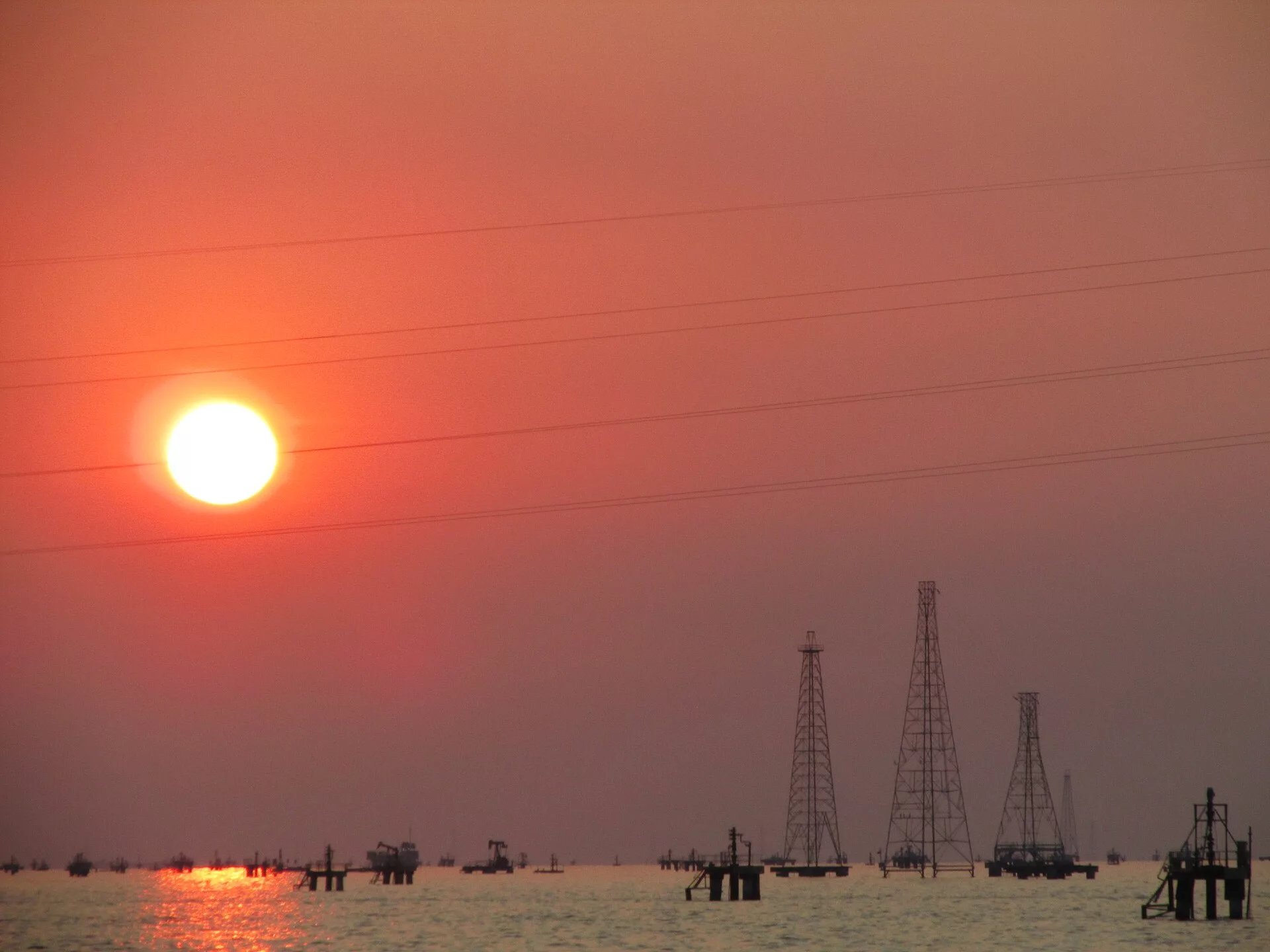
Repsol Venezuela production averaged 71,000 barrels of oil equivalent a day in the first half of 2026. That is broadly flat against the same period a year earlier.
The company intends to raise it. What matters is how it says it will pay for that.
On the second-quarter earnings call, chief executive Josu Jon Imaz described the approach directly. He said Repsol is fully committed to increasing production in Venezuela, in a financially prudent way.
He then set the condition. Repsol is not exposing more money in Venezuela, he said, and finances the growth from the cargoes it receives.
What That Sentence Actually Means
Repsol is paid in cargoes rather than in cash. The first arrived in May 2026 as payment for gas supplied to the Cardon IV project, and PDVSA schedules heavy crude cargoes equivalent to the output of its Petroquiriquire venture.
Some of those dollars go back into Repsol Venezuela operations. None of them come from the parent balance sheet.
This is a self-funding structure and it has an obvious property. If the cargoes stop, the investment stops with them.
No new capital is at risk beyond what is already in the ground. A company that has not added capital does not have to write it off.
Why This Structure Exists
Venezuela is a sanctioned jurisdiction. Foreign oil companies operate there under specific United States authorisations rather than as a matter of course.
The relevant permission is OFAC General Licence 50A, effective 18 February 2026. It replaced General Licence 50 of five days earlier and names Repsol among the authorised entities.
A licence is a permission, not a guarantee. It can be amended or withdrawn, and companies design their exposure accordingly.
Financing operations from production rather than from headquarters is the standard answer to that risk. It also caps the pace of any expansion.
The Growth Targets Are Real but Conditional
Repsol said in April 2026 that it had agreed conditions to increase Venezuelan oil production. It described itself as prepared to raise gross output 50 percent within twelve months.
Over three years it said it could triple production. Both commitments carried the same qualifier: provided the necessary conditions remain in place.
In June the company signed an agreement to explore and develop a new oil area. That is a forward commitment rather than a producing asset.
Read together, the announcements describe intent backed by conditional capital. That is a different proposition from a company betting its balance sheet.
What It Says About Venezuela
Venezuela holds enormous reserves and has been producing far below capacity for a decade. The constraint has been capital and access, not geology.
Self-funded expansion is what a country gets when the risk premium is too high for ordinary investment. It is real production growth, and it is slow.
Other operators are on similar terms. Chevron has publicly discussed expanding its rig count under a multi-year plan.
None of this depends on Venezuelan politics resolving. It depends on the licences holding and the cargoes continuing to move.
What to Watch
The first marker is the third-quarter production figure. Repsol Venezuela output has been flat, and the 50 percent target implies visible movement by spring.
The second is the licence. Any change to General Licence 50A would alter the arrangement immediately.
The third is the cargo flow. Because the funding is the production, a disruption to liftings stops the investment automatically.
The fourth is the new exploration area. Agreements signed in Venezuela have a long history of not becoming wells.
More: Venezuela news in English, every day from The Rio Times.
Frequently Asked Questions
How much oil does Repsol produce in Venezuela?
Its Venezuelan production averaged 71,000 barrels of oil equivalent a day in the first half of 2026, broadly in line with the same period of 2025, according to the company’s results published on 23 July 2026. Repsol does not break Venezuela out quarterly.
Is Repsol investing new money in Venezuela?
Chief executive Josu Jon Imaz said the company is not exposing more money there, and is financing growth from the money it receives through the cargoes it takes as payment for production.
Is this legal under US sanctions?
Repsol is named among the entities authorised under OFAC General Licence 50A, effective 18 February 2026, which replaced General Licence 50 issued on 13 February. A general licence can be amended or revoked.
Sources: Repsol press releases 16 April and 17 June 2026, Repsol second-quarter 2026 earnings call, US Office of Foreign Assets Control General Licence 50A, Investing.com, Rio Times.
This article was produced by The Rio Times’ automated newsroom system. How we use AI · Report an error
Read More from The Rio Times