Raízen Restructuring Clears Hurdle, Splits Brazil Energy Giant
Brasil · Business
Key Facts
—Backing secured. Raízen said adhesion to its debt plan reached about 80% of creditors, clearing a key threshold.
—A record size. The plan covers about R$64.7bn ($12.8bn) of debt, Brazil’s largest-ever out-of-court restructuring.
—Owners dilute. Creditors will convert part of the debt into shares, ending with most of the company and shrinking Cosan’s stake.
—Fresh cash. Shell has pledged R$3.5bn ($692m), with the controlling family able to add up to R$500m more.
—A break-up. The plan splits Raízen in two by 2027, separating fuel distribution from sugar, ethanol and bioenergy.
—Still pending. A court must approve the plan, a step expected over the coming months.
Raízen, the Shell-Cosan fuel and sugar giant, has won the backing it needs for a record debt overhaul that will split the company in two and dilute its founders to a sliver.
One of Brazil’s biggest companies has taken a decisive step toward resolving the largest corporate debt crisis the country has seen. Raízen said the share of creditors backing its restructuring plan has reached about 80%.
That level of support clears an important threshold. It moves a sprawling restructuring of roughly sixty-five billion reais, about thirteen billion dollars, from a fraught negotiation toward something close to a settled outcome.
What the Raízen plan changes
For readers meeting the company for the first time, Raízen is a joint venture between the oil major Shell and the Brazilian group Cosan. It is one of the world’s largest sugar and ethanol producers and a major fuel distributor in Brazil.
The plan rests on a swap of debt for ownership. Creditors agree to convert a large slice of what they are owed into shares, which leaves them holding most of the company once the deal is done.
That is a dramatic shift in control. The stake held by Cosan, the Brazilian co-founder, is set to shrink to a small fraction, while Shell injects fresh cash and is positioned to emerge as the dominant owner.
The new money matters as much as the swap. Shell has committed about three and a half billion reais, near seven hundred million dollars, in fresh capital.
A vehicle linked to Cosan’s controlling family can add up to half a billion reais more on the same terms. Together, the injections are meant to give the slimmed-down company room to breathe.
The break-up few have focused on
The most far-reaching part of the plan is not the money but the structure. By 2027, Raízen is to be split into two separate companies, unwinding a business that was built as a single, integrated giant.
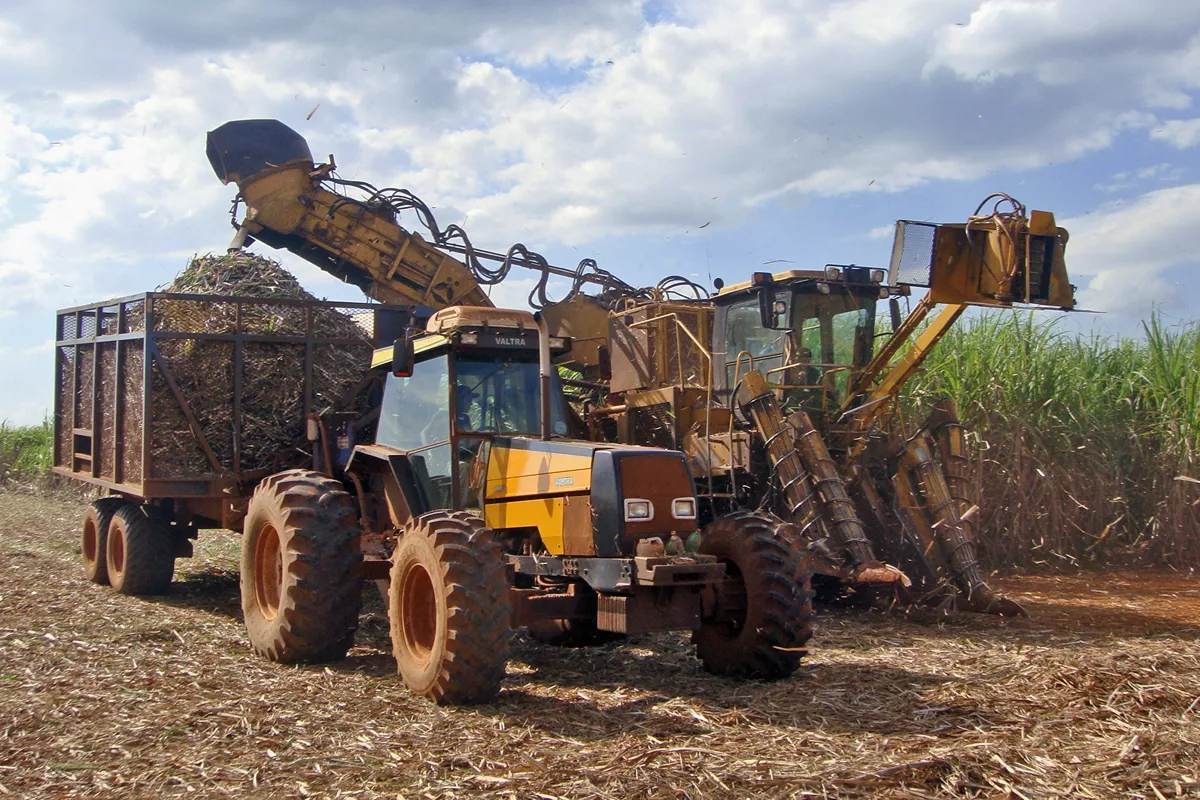
One company would hold the fuel distribution network in Brazil, the filling stations and logistics that consumers see. The other would keep the sugar, ethanol and bioenergy operations rooted in the cane fields.
Splitting the two makes each easier to value, manage and, if needed, sell. The plan even foresees disposing of certain energy assets and non-core mills, and potentially seeking an investor for the fuels business later on.
For a foreign reader, that is the real signal. A company once assembled as a national champion is being taken apart into pieces that global buyers can more easily digest.
Live Company IntelligenceRaízen S.A. — the full investor dossier
Valuation & profitability
Price & risk
$0.2152-wk high
$1.13
Revenue trend · 6y
Ownership
Dividend
Why it matters beyond Brazil
Raízen sits at the centre of the world’s sugar and ethanol trade, so its troubles ripple outward. Disruption to its output can move global prices for both, even with operations continuing through the restructuring.
The episode also reads as a warning about cheap debt meeting a world of high interest rates. A heavily borrowed champion expanded fast, then found the cost of that debt unbearable once rates climbed and credit tightened.
What happens next
The plan is not yet final. A São Paulo court must still approve it, a step expected over the coming months before the new debt and shares are formally handed to creditors.
After that comes the slow work of carrying the plan out and meeting its conditions, a process stretching into 2027. Only then will the shape of the new, smaller Raízen become clear.
For now, the company keeps operating as usual, fuelling cars and crushing cane through the harvest. The drama is playing out in the boardroom and the courtroom, not yet at the pump or in the field.
More: Brazil news in English, every day from The Rio Times.
Frequently Asked Questions
What is Raízen?
Raízen is a Brazilian joint venture between the oil major Shell and the local group Cosan. It is one of the world’s largest sugar and ethanol producers and a major fuel distributor in Brazil.
Why is the company being split?
The restructuring plan divides Raízen into two firms by 2027, one for fuel distribution and one for sugar, ethanol and bioenergy. Separating them makes each easier to value, manage and potentially sell to new investors.
What happens to the current owners?
Creditors will convert much of the debt into shares and end up owning most of the company. Cosan’s stake shrinks to a small fraction, while Shell injects fresh cash and is set to become the dominant owner.
Connected Coverage
This article was produced by The Rio Times’ automated newsroom system. How we use AI · Report an error · Editorial responsibility: Matthias Camenzind, Editor-in-Chief