Suriname Offshore Energy Push Looks to Mexico for Training Before 2028
Energy · Suriname
Key Facts
- —What happened Suriname’s foreign minister told Mexico on 24 September 2026 that training and technical knowledge are key concerns for its energy industry.
- —How big the prize is TotalEnergies and its partners are spending about US$10.5 billion on GranMorgu, the first offshore development in Surinamese waters.
- —The catch Neither government announced an agreement in New York, or any concrete arrangement on training or technical support.
- —What is already flowing State company Staatsolie paid the treasury US$400 million in 2025, about 30 percent of all government revenue.
- —What comes next First production is planned for 2028, and Mexico will be invited to Suriname’s 2027 energy summit.
Suriname has about 600,000 people and one very large offshore project on the way. Its ministers are now looking abroad for the skills to run it.
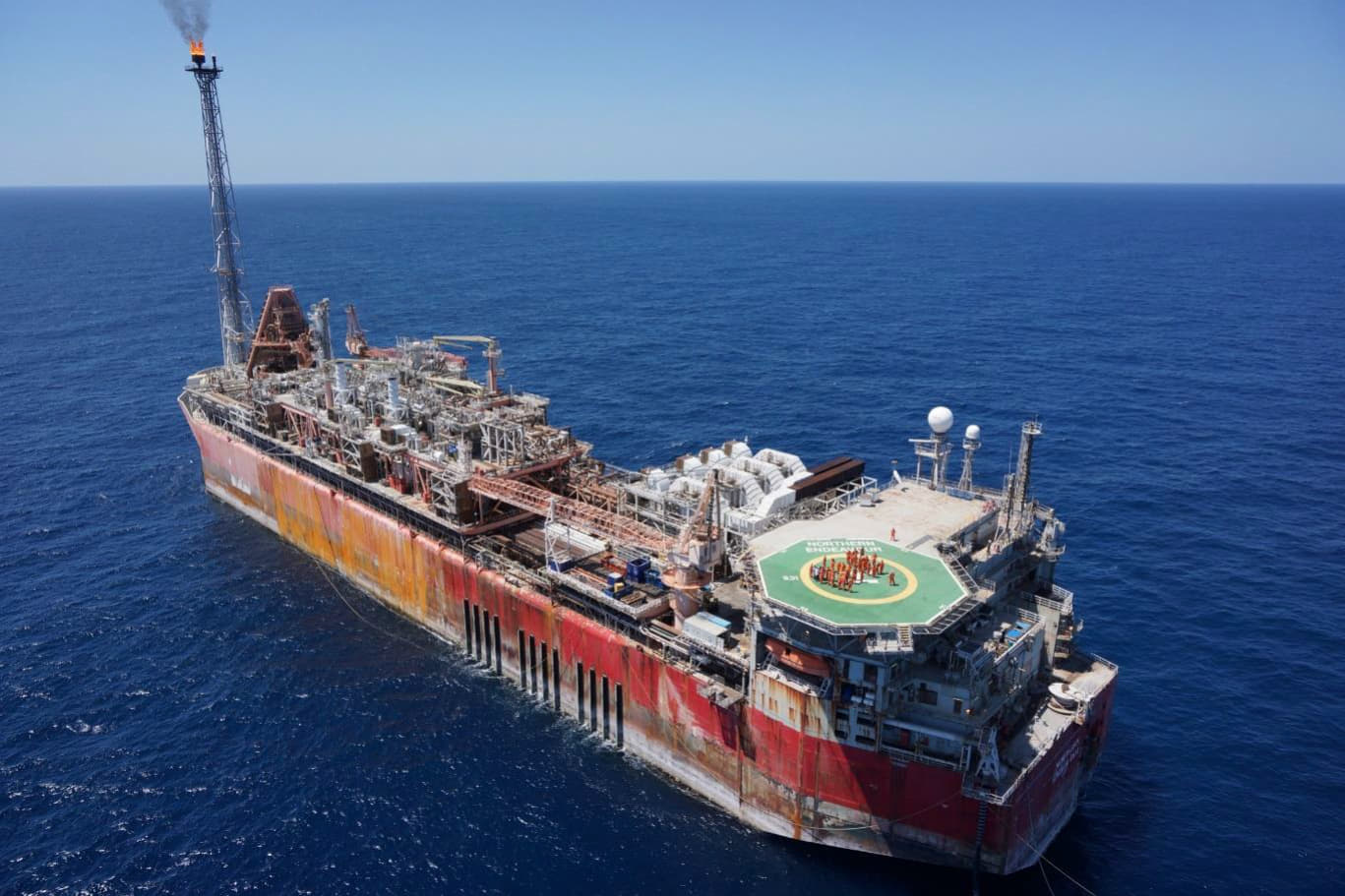
Suriname offshore energy is moving from plans to production, and the government is looking abroad for skills. On Thursday 24 September 2026, its foreign minister raised that need with Mexico.
Melvin Bouva, Suriname’s Minister of Foreign Affairs, International Trade and Cooperation, met Raquel Serur Smeke in New York. She is Mexico’s deputy foreign minister for Latin America and the Caribbean.
The two spoke on the margins of the 81st United Nations General Assembly. The Surinamese government published a short account of the conversation this week.
Bouva said his country is preparing for the further development of its oil and gas industry. Training, technical knowledge and infrastructure are the main concerns, according to that account.
He pointed to the possible use of experts and to exchanges between people in both countries. Mexico will also be invited to the Suriname Energy, Oil and Gas Summit in 2027.
The meeting was an introductory one. The two governments announced no new agreements, and no concrete arrangement on training or technical support was made public.
Mexico was represented by its foreign ministry rather than by its energy industry. The same conversation also covered air links, shipping and exchanges between the two countries’ diplomatic institutes.
What Suriname offshore energy actually consists of
The project behind the ambition is called GranMorgu, and it lies about 150 kilometres off the Surinamese coast. TotalEnergies, the French company that operates it, took the final investment decision on 1 October 2024.
TotalEnergies put the total investment at about US$10.5 billion. That is roughly three times the size of Suriname’s economy in 2023, on the company’s own figures.
GranMorgu will develop the Sapakara and Krabdagu fields, which hold more than 750 million recoverable barrels. A floating production vessel with a capacity of 220,000 barrels a day will handle the output.
TotalEnergies holds 40 percent of the project and runs it. APA Corporation of the United States holds another 40 percent, and the state company Staatsolie holds the remaining 20 percent.
Why the skills question is not a side issue
Suriname offshore energy will run at a scale the country has never handled. Staatsolie has pumped oil on land for decades, producing 6.35 million barrels in 2025.
That works out at about 17,000 barrels a day. The new vessel alone will be able to produce more than twelve times as much.
Staatsolie says more than one hundred Surinamese companies already supply goods and services to the project. Both it and TotalEnergies are running training programmes, according to Staatsolie.
President Jennifer Geerlings-Simons has urged Surinamers to choose practical vocational training. She spoke in June 2026, shortly after opening the country’s energy summit.
“A lot of money is coming, but we have to spend it well,” she said, speaking in Dutch. The government has also started a housing fund that it intends to top up later with energy revenue.
Guyana next door is the reason outsiders are watching
Guyana, Suriname’s neighbour to the west, began producing in December 2019. On 28 September 2026, ExxonMobil said the Stabroek block had delivered its billionth barrel.
Four production vessels there have lifted installed capacity above 900,000 barrels a day, the company said. That is roughly four times what Suriname’s first vessel will be built to handle.
The link is not only geographic. TotalEnergies says the vessel being built for Suriname follows the design principles of units already working in Guyana.
The money has followed the barrels. Guyana’s Natural Resource Fund held about US$4.35 billion on 31 July 2026, its finance ministry reported.
Suriname is nowhere near that, and will not be for years. Staatsolie paid the treasury US$400 million in 2025, which the company says was roughly 30 percent of all government revenue.
What could still go wrong
Cost and timing come first. Staatsolie said in May 2026 that the production vessel was about half built, at shipyards in China and Malaysia.
Patrick Pouyanné, chief executive of TotalEnergies, visited Suriname on 19 September 2026. Staatsolie set out its own account of that visit two days later.
“We appreciate the professionalism and expertise of TotalEnergies,” said Annand Jagesar, Staatsolie’s managing director. He credited that expertise with keeping the work on schedule and within budget.
The second risk is the bill that falls due before any revenue arrives. Staatsolie says its 20 percent share requires about US$2.4 billion.
It raised US$516 million from a bond in 2025. A group of 18 banks and other lenders provided a further US$1.6 billion.
Staatsolie says the rest comes from its own cash and the money the business generates. That bank loan also repaid an older borrowing of US$130 million.
Prices are the third risk, and Suriname has already felt them. Staatsolie described 2025 as a year of relatively lower oil prices, when gold revenue helped keep its results steady.
The fourth risk is the hardest for a small state. Suriname has about 600,000 people, according to TotalEnergies, and the offshore field will be far larger than the onshore one.
The president said in June 2026 that the government would work harder at explaining to the public what is arriving. Suriname also takes the chair of Caricom, the Caribbean regional bloc, in January 2027.
None of that is settled by a courtesy call in New York. But it does show where the work now sits: people, training and contracts, long before the first cargo leaves.
More: Suriname coverage, every day from The Rio Times.
Frequently Asked Questions
What did Suriname and Mexico actually agree?
Nothing binding. Suriname’s foreign minister, Melvin Bouva, met Mexico’s deputy foreign minister for Latin America and the Caribbean, Raquel Serur Smeke, in New York on 24 September 2026, on the margins of the 81st United Nations General Assembly. Bouva said training, technical knowledge and infrastructure are the main concerns as the country develops its oil and gas industry, and raised the possible use of Mexican experts. The Surinamese government’s own account records no signed agreement and no concrete arrangement on training or technical support.
What is GranMorgu and when does it start?
GranMorgu is the first offshore oil development in Surinamese waters, about 150 kilometres off the coast. TotalEnergies operates it with 40 percent, APA Corporation holds 40 percent and the state company Staatsolie holds 20 percent. The final investment decision was taken on 1 October 2024, with a total investment of about US$10.5 billion and first production planned for 2028. A floating production vessel able to handle 220,000 barrels a day will develop the Sapakara and Krabdagu fields, which hold more than 750 million recoverable barrels.
How does Suriname compare with Guyana?
Guyana started producing in December 2019 and reached its billionth barrel by 28 September 2026, according to ExxonMobil. Four production vessels have lifted installed capacity there above 900,000 barrels a day, roughly four times the capacity of Suriname’s first vessel. Guyana’s Natural Resource Fund held about US$4.35 billion on 31 July 2026, its finance ministry reported. Suriname offshore energy is at an earlier stage: Staatsolie’s payments to the treasury came to US$400 million in 2025.
What are the main risks for Suriname?
Cost and schedule are the first. Staatsolie said in May 2026 that the production vessel was about half built in China and Malaysia, and its managing director said in September 2026 that the project was on schedule and within budget. The second is debt: Staatsolie needs about US$2.4 billion for its 20 percent share and has raised it through a US$516 million bond and a US$1.6 billion bank loan. The third is the price cycle, which Staatsolie says was already lower in 2025. The fourth is managing a windfall in a country of about 600,000 people.
Sources: The Government of Suriname on the meeting in New York, GFC Nieuws on the request for Mexican expertise, TotalEnergies on the final investment decision of 1 October 2024, TotalEnergies on the GranMorgu project, its partners and its size, Staatsolie on the TotalEnergies visit of 19 September 2026, Staatsolie on its 2025 results and its payments to the state, Staatsolie on the US$1.6 billion bank loan of 14 May 2025, Staatsolie on its onshore fields and its refinery, The Government of Suriname on the president’s remarks of 23 June 2026, ExxonMobil on Guyana’s billionth barrel, Guyana’s finance ministry on the Natural Resource Fund at 31 July 2026
This article was produced by The Rio Times’ automated newsroom system. How we use AI · Report an error
Read More from The Rio Times