Q2 2025: Tecnisa, Ultrapar, and Melnick—Brazilian Firms Face the Numbers
In the second quarter of 2025, three Brazilian companies—Tecnisa, Ultrapar, and Melnick—showed just how much market
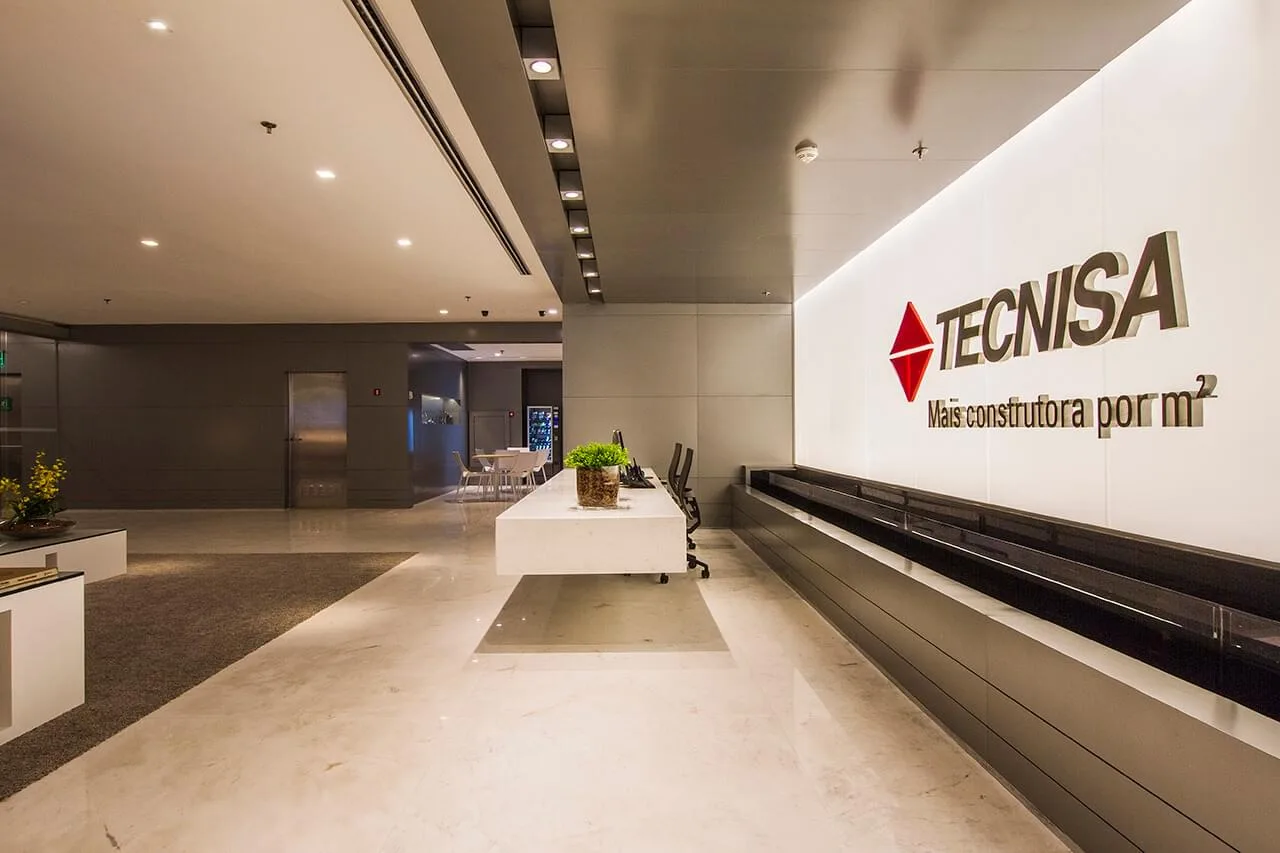
In the second quarter of 2025, three Brazilian companies—Tecnisa, Ultrapar, and Melnick—showed just how much market forces and local realities can test a business.
These official results highlight how they coped with tough decisions, market shifts, and operational pressure.
Tecnisa: Cautious Moves in a Slow Real Estate Market
Tecnisa is a large real estate developer focused mainly on residential projects in São Paulo. In Q2 2025, the company took no risks. It did not launch new projects and concentrated on selling what was already available.
Gross sales totaled R$139 million ($24 million), but this was 57% less than a year before. Net sales reached just R$109 million ($19 million), a fall of 65% year over year, showing weak demand and slow sales.
The firm’s approach was defensive. It kept costs tight and avoided new inventory. Tecnisa’s stock of unsold units had an overall value of R$1.1 billion ($193 million), but only a small part was fully finished.

The sales velocity, a key sector measure, dropped sharply to 9.5%. Debt was another real challenge. Tecnisa ended the quarter with R$487 million ($85 million) in net debt.
The company’s answer: a plan to sell land and development rights for up to R$510 million ($89 million), the majority aimed at paying down debt and cutting interest costs. High interest rates in Brazil make debt expensive, so reducing it is crucial.
The story for Tecnisa is simple but telling: in a difficult market, the firm chose safety over growth. By holding back on new developments, managing its stock, and focusing on survival, Tecnisa is betting that patience—not big plays—will get it through to better times.
Ultrapar: Profits Surge, But the Real Fight Is for Margins
Ultrapar is a major group active in fuel distribution (Ipiranga), bottled gas (Ultragaz), and logistics (Ultracargo). In Q2 2025, it doubled its net profit to R$1.1 billion ($190 million), compared to the same quarter last year.
Its adjusted EBITDA was even more impressive at R$2.1 billion ($368 million). All key numbers moved up thanks to a mix of steady volumes, better margins, and a one-off benefit from tax credits.
Fuel sales volumes at Ipiranga remained firm at around 5.7 billion liters. Free cash flow was a solid R$900 million ($158 million), giving the group room to pay R$326 million ($57 million) in dividends.
Yet, the numbers hide some ongoing pressures. Despite better profits, Ultrapar faces fierce competition, changing regulations, and growing fuel imports—all squeezing margins.
Its LPG business, Ultragaz, faces industry risks as well. Even with robust earnings, Ultrapar’s stock fell 24% over the last year as investors weigh how long profits will run ahead of market threats.
Ultrapar’s quarter shows a company executing well and keeping operational discipline, but also one aware that staying on top requires constant cost control. The next test will be sustaining these profits with competition and regulation always close behind.
Melnick: Profit Returns After Weathering the Storm
Melnick is a real estate developer with main operations in southern Brazil. In Q2 2025, it posted net income of R$39 million ($7 million), a sharp bounce-back after a year of losses caused by severe flooding in 2024.
Net revenue was R$338 million ($59 million), more than double last year’s result. The company’s gross margin jumped to almost 30%, up from just 9% in Q2 2024.
Melnick’s inventory of unsold homes was worth R$271 million ($48 million)—down 10% year over year as sales picked up. However, the path wasn’t trouble-free.
Negative cash flow reached R$42 million ($7 million), and the company shifted from net cash to R$39 million ($7 million) in net debt.
Melnick also changed strategy, launching R$355 million ($62 million) in new projects mainly through partnerships in São Paulo and other regions, helping to diversify its risk and extend its reach.
Sales grew to R$324 million ($57 million), and net income for the first half of 2025 totaled R$53 million ($9 million), up from only R$2 million in the same period last year.
The main story at Melnick is one of recovery after natural disaster and rapid adaptation to new markets using partnerships. This offers resilience—but also means the company is not fully in control of all new projects.
This article was produced by The Rio Times’ automated newsroom system. How we use AI · Report an error · Editorial responsibility: Matthias Camenzind, Editor-in-Chief
LatAm Markets: Live Signals → — real-time movers, turnover leaders and FX across Latin America.