Petrobras Targets Full Diesel Self-Sufficiency By 2031
Brazil · Energy Policy
Key Facts
- New target — Petrobras aims to meet 100% of Brazil’s diesel demand by 2031, up from 85% under the current 2026–2030 plan.
- Current gap — The company currently supplies about 70% of national demand, with the rest coming from private refiners and imports.
- Production capacity — Petrobras today can produce roughly 700,000 barrels per day of diesel; that rises to about 950,000–970,000 by 2030.
- Self-sufficiency level — Reaching 100% of demand will require capacity of about 1.25 million barrels per day by 2031.
- Refinery utilisation — Petrobras reported a 101% refinery utilisation rate in Q2 2026, indicating plants are running at full tilt.
- Q2 profit — Petrobras posted US$10.428 billion net income attributable to shareholders in the second quarter of 2026.
- Expansion plans — Additional capacity will come from refinery projects already under way, plus new expansions being studied for Boaventura and other sites.
Brazil’s state oil giant plans to cover 100% of domestic diesel demand within five years, closing a gap that still forces heavy imports.
Petrobras chief executive Magda Chambriard and refining director William França announced on 7 August 2026 that the company’s next business plan for 2027–2031 will target Petrobras diesel self-sufficiency, with the company aiming to cover 100% of Brazil’s diesel demand by 2031. That is a significant jump from the 85% target in the current 2026–2030 plan. For expats and foreign investors, this is more than a corporate milestone — it speaks directly to fuel prices at the pump and to Brazil’s trade balance. Brazil is already self-sufficient in crude oil, yet still imports roughly a quarter of its diesel. Closing that gap would mean fewer price shocks from global diesel markets and a stronger trade position, which helps explain why this plan matters beyond the refinery gates.
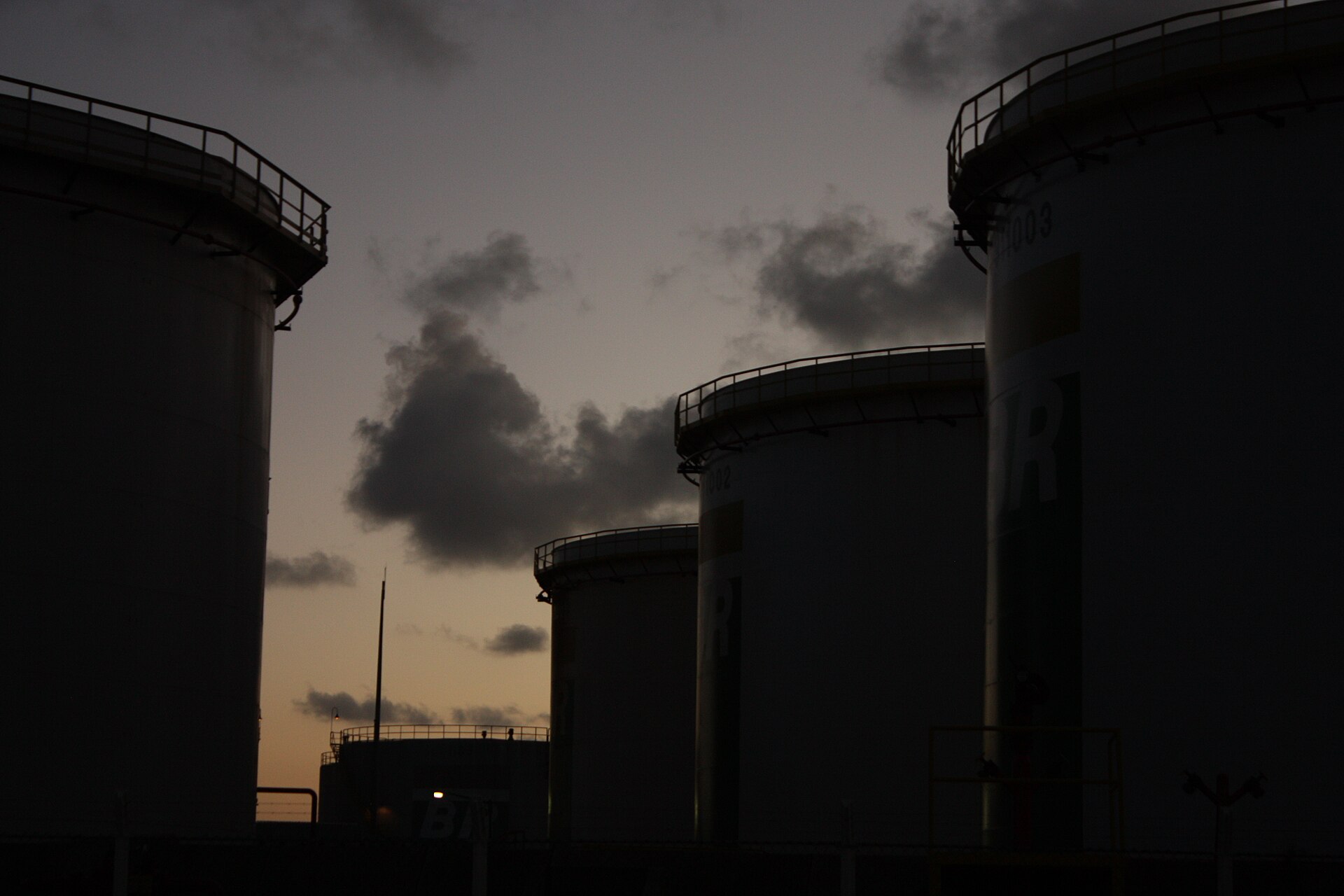
Why Brazil imports diesel when it exports oil
Brazil is one of the world’s largest crude oil producers, but it has long lacked the refining capacity to turn all that crude into the fuels its economy needs. Diesel is the workhorse of Brazilian transport — powering trucks, buses, farm machinery and generators — and domestic refineries simply cannot produce enough of it.
The shortfall is structural. Petrobras’s refineries were historically focused on lighter crude, but Brazil’s offshore pre-salt oil is heavier and more complex to process. Over the years, underinvestment and maintenance issues limited capacity, forcing the country to import diesel to bridge the gap.
Today, Petrobras meets about 70% of Brazil’s diesel demand, with private refiners and imports covering the rest. In 2026, imports still account for roughly a quarter of total consumption. That dependence exposes Brazil to global diesel prices, which can spike sharply — as they did in 2021 and 2022 when international refining margins soared.
Live Company IntelligencePetroleo Brasileiro Petrobras SA ADR — the full investor dossier
Wall Street view
Valuation & profitability
Price & risk
$10.6552-wk high
$21.99
Revenue trend · 6y
Ownership
Dividend
Petrobras diesel self-sufficiency
Petrobras’s current 2026–2030 business plan already aims to raise diesel production capacity to about 950,000–970,000 barrels per day by 2030, up from around 700,000 today. The new 2027–2031 plan would push that further, to roughly 1.25 million barrels per day by 2031 — a level the company says would be enough to cover 100% of national demand.
The extra capacity will come from expansions already under way, plus new projects to be studied. William França specifically mentioned a possible new expansion of the Complexo de Energias Boaventura (formerly Comperj) and further work at the RNEST refinery in Pernambuco, though he did not give capacity figures or completion dates for those additional phases.
Petrobras also said the goal would be pursued with or without the Mataripe refinery, which the company is considering reacquiring. The point is that the self-sufficiency target does not depend on that deal going through.
In the second quarter of 2026, Petrobras reported a 101% refinery utilisation rate and record diesel production, showing that existing assets are being pushed hard. But the company still relies on imports to meet peak demand, which is why the longer-term capacity build-out matters.
Beyond the headline target, the path to Petrobras diesel self-sufficiency requires serious refining arithmetic. Current capacity sits near 700,000 barrels per day, meeting about 70% of demand. The existing 2026–2030 plan lifts that to roughly 950,000–970,000 bpd by 2030 — still shy of the mark. The new 2027–2031 plan pushes further, aiming for 1.25 million bpd, enough to cover 100% of Brazilian consumption. Extra volume comes from expansions under way, plus new phases at the Boaventura complex and RNEST refinery, with no capacity figures yet confirmed.
What self-sufficiency would mean for fuel prices
If Petrobras reaches 100% of diesel demand, the immediate effect would be reduced exposure to global diesel price swings. Brazil would no longer need to buy on the international spot market, where prices can be volatile. That could help stabilise domestic diesel prices, which are a major cost driver for transport and agriculture.
However, full self-sufficiency does not guarantee cheaper fuel. Petrobras’s pricing policy still follows international parity, so domestic prices would continue to move with global crude and refining margins. But the country would be insulated from the extra logistics costs and currency risks of importing.
For consumers, the benefit is more about stability than outright lower prices. For businesses that depend on diesel — trucking, farming, logistics — a more predictable fuel cost is a significant advantage. And for investors, it reduces a major operational risk for Petrobras and the wider economy.
Impact on Brazil’s trade balance
Diesel imports are a persistent drag on Brazil’s trade surplus. Even with record crude exports, the country spends billions of dollars each year on foreign diesel. Closing that gap would directly improve the trade balance, keeping more money in the domestic economy.
In 2026, Brazil’s oil trade is already strongly positive thanks to booming crude exports. But diesel imports eat into those gains. Eliminating the need for diesel imports would add US$5–10 billion per year to the trade surplus, depending on global prices — a meaningful boost for the real and for investor confidence.
The trade balance effect is one reason the government and Petrobras are prioritising refining expansion. It is not just about energy security — it is about the country’s external accounts and financial stability.
For foreign investors, a stronger trade balance typically means a more stable currency and lower country risk. That makes Brazil a more attractive destination for capital. So the diesel self-sufficiency plan has implications that go far beyond the energy sector.
More: Brazil news, every day from The Rio Times.
Background: Braskem Bond Tender Rejected Amid $9.4B Debt Crisis.
Frequently Asked Questions
What is Petrobras’s new diesel self-sufficiency target?
Petrobras aims to meet 100% of Brazil’s diesel demand by 2031, up from 85% in the current 2026–2030 plan. That would require about 1.25 million barrels per day of refining capacity.
Why does Brazil import diesel if it exports oil?
Brazil is self-sufficient in crude oil but lacks enough refining capacity to produce all the diesel it needs. Its refineries were historically designed for lighter crude and have struggled with maintenance and investment gaps, forcing imports to cover the shortfall.
How much diesel does Brazil currently import?
Petrobras supplies about 70% of domestic demand, with private refiners and imports covering the rest. Imports account for roughly a quarter of total consumption, according to industry figures cited by Petrobras executives.
What would closing the diesel gap mean for fuel prices?
It would reduce Brazil’s exposure to global diesel price volatility, likely making domestic prices more stable. However, Petrobras’s pricing policy follows international parity, so prices wouldn’t necessarily fall — they’d become more predictable, which helps transport and agriculture.
Connected Coverage
Sources: Petrobras; Valor Econômico; Reuters; Agência iNFRA.
This article was produced by The Rio Times’ automated newsroom system. How we use AI · Report an error
Read More from The Rio Times