Peru Votes Sunday: What the Runoff Means for Expats
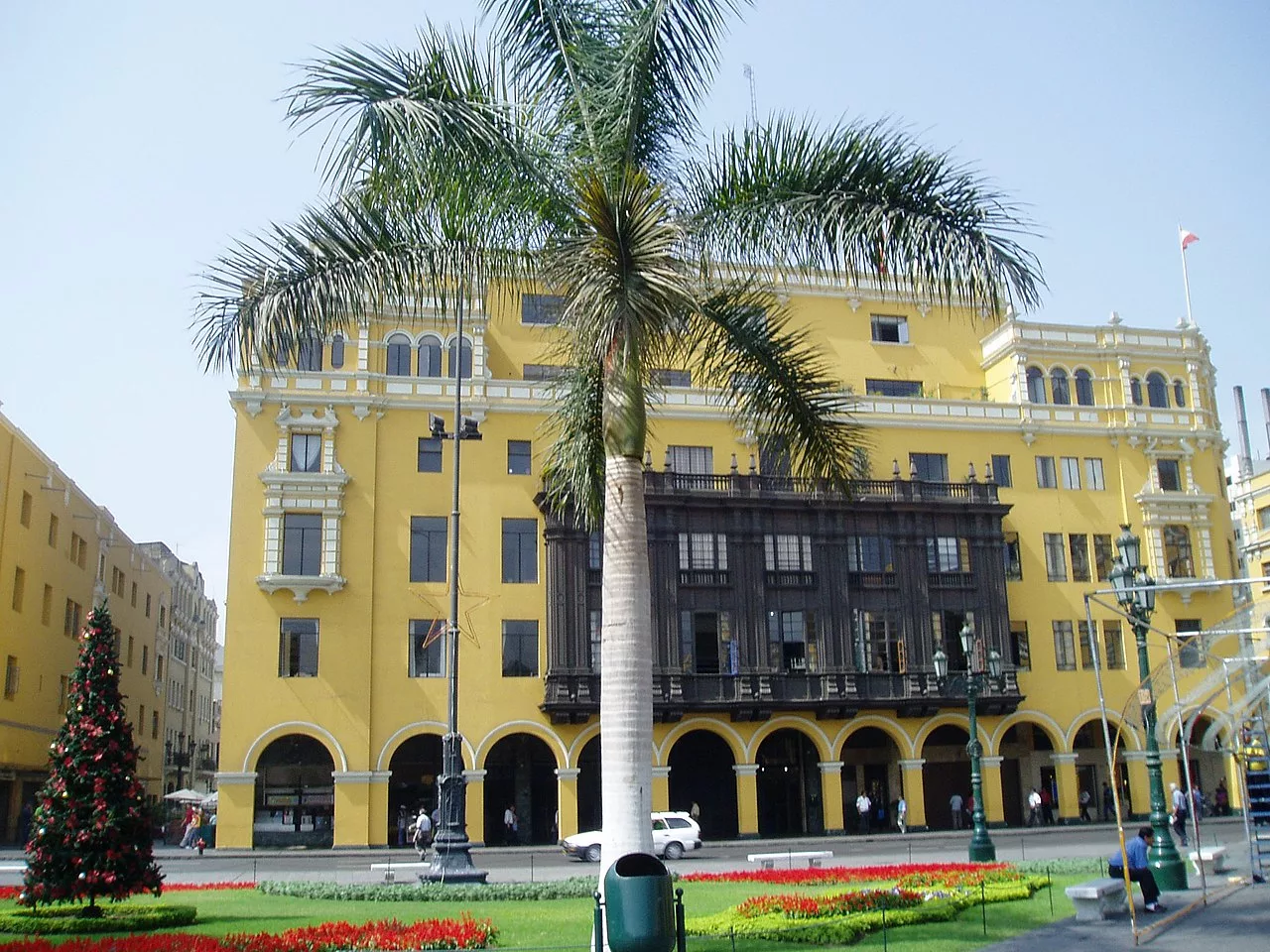
Peru chooses a president this Sunday, and for the foreigners who call Lima home the stakes are unusually practical: the runoff has become a referendum on the extortion economy that has been squeezing the city’s transport, businesses and daily life. Here is what the Peru election runoff means for expats — and how to plan the weekend.
Key Facts
- When. Peru’s presidential runoff is this Sunday, June 7; the winner takes office on July 28.
- Who. Keiko Fujimori faces Verónika Sánchez — the latest Ipsos poll has the gap at just three points (38 to 35).
- The ballot issue. Extortion: complaints have multiplied five times in five years to 28,948, and 239 transport workers were killed in 2025.
- For residents. Expect marches downtown, election-day restrictions, and Peru’s traditional pre-vote dry law on alcohol sales.
- Context. The transport-strike truce is holding after the government’s fuel-subsidy deal — but the gremios are watching Sunday’s result.
A three-point race about one issue
The June 7 runoff pits Keiko Fujimori — on her fourth run for the presidency — against Verónika Sánchez, with Ipsos putting the race at 38 to 35: inside the margin where turnout decides. Whatever separates the candidates’ programmes, the campaign has collapsed onto a single question: who can stop the extortion wave.
Official complaints have risen five-fold in five years to 28,948, gangs killed 239 transport workers last year alone, and the crisis nearly shut Lima down this month before a fuel-subsidy deal defused a citywide transport strike.
What changes on the weekend itself
Election weekends in Peru follow a familiar script. The traditional dry law suspends alcohol sales from the weekend into Monday — restaurants stay open, the wine stays shelved.
Voting is mandatory for Peruvians, so Sunday traffic clusters around schools and polling stations, and downtown Lima will see closing rallies and marches in the final days. For residents the playbook is simple: stock the fridge by Friday, plan a home-base Sunday, give the Centro and government quarter a wide berth, and expect results — or a contested count — from Sunday night.
What it means for expats beyond the weekend
Neither outcome changes immigration rules overnight: the rentista route (roughly US$1,000 a month in passive income) and the generous 183-day tourist allowance stay as they are, and the long-promised digital nomad visa still awaits its regulations regardless of who wins. What the result will shape is the security file — policing of the extortion economy that hits the buses, mototaxis and small businesses expats use daily — and the tone of the transition through the July 28 inauguration.
If the count is close or contested, expect noisy weeks: plan around the centre, not away from the country.
The mood in Lima
The city’s expat districts — Miraflores, Barranco, San Isidro — feel the campaign mostly as conversation and the occasional cacerolazo, not as disruption. The anxiety is real but specific: residents talk about extortion the way other cities talk about traffic.
That is why Sunday matters; it is the first national vote since the crisis became the country’s defining issue, and the gremios that called off this month’s strike have made clear they expect the next government to deliver.
More: Latin America news in English, every day from The Rio Times.
Frequently Asked Questions
When is Peru’s presidential runoff?
Sunday, June 7, 2026. The new president takes office on July 28.
Will anything be closed or restricted?
Expect Peru’s traditional election dry law on alcohol sales through the weekend, busy streets around polling stations, and marches downtown in the final days. Most shops and restaurants operate normally otherwise.
Does the election change visa rules for foreigners?
No — the rentista visa (about US$1,000 a month passive income) and the 183-day tourist allowance are unchanged, and the digital nomad visa still awaits regulations regardless of the winner.
Is it safe to be in Lima on election day?
Yes, with normal sense: stay clear of the Centro and rally points, keep the phone pocketed in crowds, and plan a quiet Sunday. The expat districts feel the vote as conversation more than disruption.
This article was produced by The Rio Times’ automated newsroom system. How we use AI · Report an error · Editorial responsibility: Matthias Camenzind, Editor-in-Chief
In depth
Expat Guide to Peru
What The Rio Times publishes for foreigners who live in or move to Peru.
Start here
- Lima Rent for Foreigners in 2026 Averages US$979 a Month
- Peru Education and Healthcare Explained
- Peru’s New Crime Command and What It Means for Visitors
- Peru Security and Crime Explained 2026
City guides
Coming up in Peru
- Grupo Frontera Lima 2026: Texan Band Plays Costa 21, Peru, on 17 October 17 Oct
- Iron Maiden in Lima, Peru: 50th-Anniversary Metal Night at the Estadio Nacional on October 17, 2026 17 Oct
- Señor de los Milagros 2026: Procession Dates and Routes 18 Oct
- Ivy Queen Brings Pride Tour to Lima's Círculo Militar on 24 October 24 Oct
Understand Peru